Dengue Fever
Dengue Fever
Dengue fever, or dengue infection, is a disease caused by the dengue virus, which exists in four strains: DENV-1, DENV-2, DENV-3, and DENV-4.
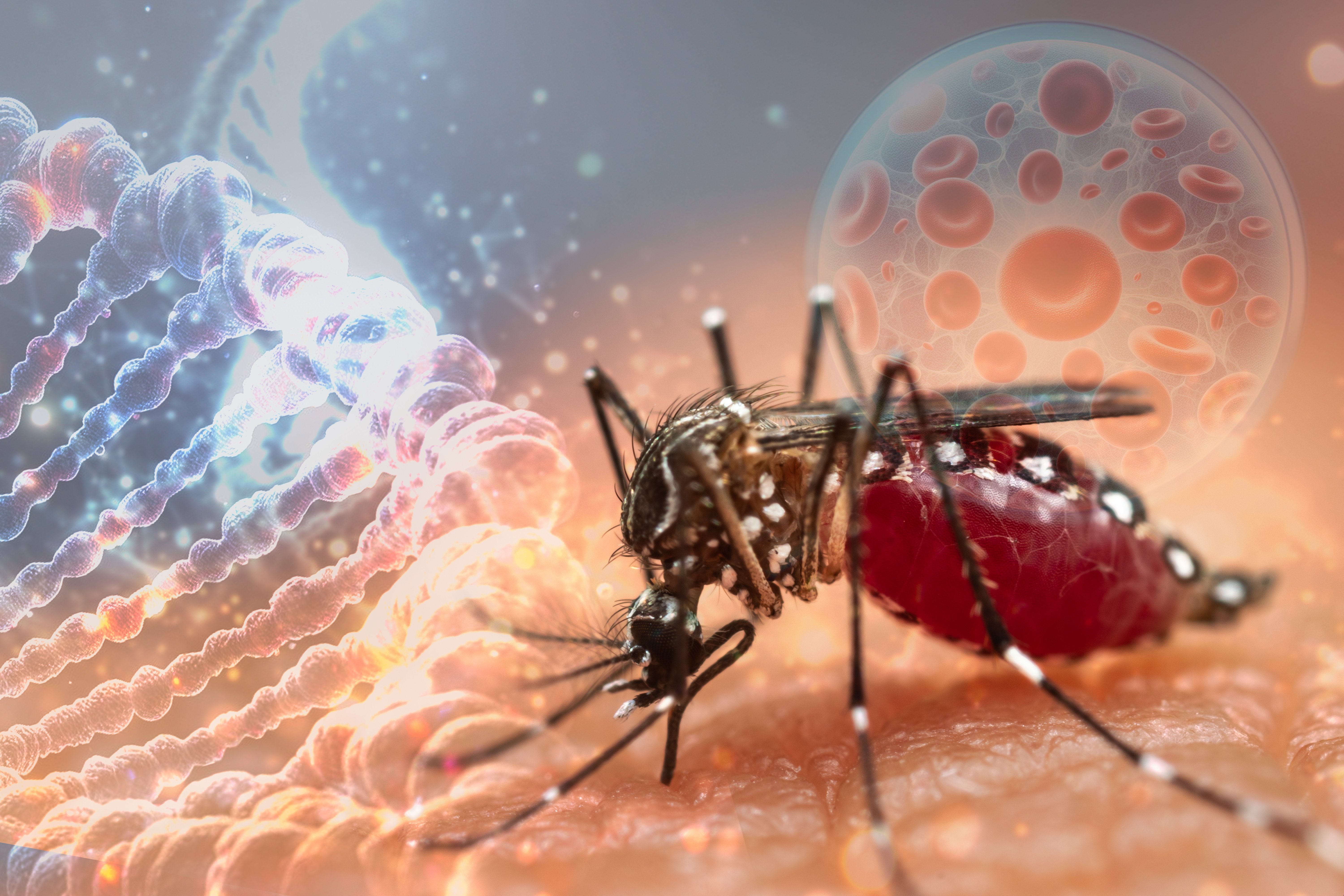
The virus spreads to humans through the bite of an infected Aedes mosquito. These mosquitoes are active during the daytime and prefer to lay their eggs in containers holding stagnant water, such as water storage tanks, vases, plant pot saucers, old tires, or any water-holding containers left around the home.
Those who have previously had dengue fever can still be reinfected by a different strain of the virus, and in some cases a second infection may increase the risk of more severe illness.
Causes and Transmission of Dengue Fever
The primary cause of dengue fever is infection with the dengue virus through the bite of an infected Aedes mosquito. Related factors include:
- Mosquitoes as disease vectors
The Aedes mosquito, particularly the domestic Aedes aegypti, is the main carrier of dengue fever. When a mosquito bites a person with dengue virus in their bloodstream, the virus multiplies inside the mosquito, which can then transmit it to other people through subsequent bites.
- Stagnant water around the home
Aedes mosquitoes prefer to lay eggs in clean, still water or water-holding containers such as water tanks, vases, plant pot saucers, old bottles, or containers left outdoors. The presence of stagnant water therefore increases the likelihood of mosquito breeding.
- Living in or traveling to outbreak areas
People who live in or travel to areas with a high number of dengue cases face a greater risk of being bitten by infected mosquitoes, particularly during the rainy season or in areas where mosquito control is insufficient.
- Reinfection
Since the dengue virus exists in multiple strains, a person who has been infected with one strain may be infected by another in the future. In some cases, reinfection has been associated with a higher risk of severe illness.
How Many Stages Does Dengue Fever Have?
Dengue fever generally progresses through three stages: the febrile stage, the critical stage, and the recovery stage.
- Febrile Stage
This is the first stage of the disease. The patient typically develops a sudden high fever accompanied by headache, pain behind the eyes, body aches, fatigue, nausea, vomiting, or a rash. This stage generally lasts around 2 to 7 days. Patients should get adequate rest, drink appropriate amounts of fluid, and avoid self-medicating with certain pain relievers and fever reducers, particularly aspirin and ibuprofen, as these may increase the risk of bleeding.
- Critical Stage
The critical stage often occurs as the fever begins to drop, a period that many people mistakenly interpret as a sign of recovery. However, in some patients this is when complications may arise. Warning signs during this stage include plasma leakage from blood vessels, low blood pressure, shock, abnormal bleeding, or organ dysfunction. Patients entering this stage require close medical supervision.
- Recovery Stage
During the recovery stage, the body begins to return to its normal state. The patient may feel better, the fever subsides, appetite improves, and vital signs stabilize. However, some patients may continue to experience fatigue for several days or weeks. Adequate rest, proper fluid intake, and a gradual return to normal activities when the body is ready are all important during this period.
When Should You Go to the Hospital Immediately?
Anyone suspected of having dengue fever should monitor their symptoms closely, especially as the fever begins to drop. The following warning signs require immediate medical attention:
- Severe abdominal pain or tenderness when the abdomen is pressed
- Persistent vomiting or inability to keep fluids down
- Drowsiness, restlessness, or extreme weakness
- Cold hands and feet, cold skin, or excessive sweating
- Dizziness, feeling faint, or lightheadedness
- Heavy nosebleeds or significant bleeding from the gums
- Vomiting blood or passing black stools
- Rapid breathing or shortness of breath
- Reduced urine output
- Fever dropping but overall condition worsening
These symptoms may indicate severe dengue or shock. Do not wait to see if symptoms improve at home.
How Do Doctors Diagnose Dengue Fever?
Doctors assess the condition based on symptoms, medical history, history of exposure to outbreak areas, and physical examination. Investigations that may be used to support the diagnosis include:
- Blood tests to check blood concentration (hematocrit)
- White blood cell and platelet counts
- Tests to detect the dengue virus or its components
- Dengue antibody tests
- Monitoring of vital signs and urine output in higher-risk patients
If dengue fever is suspected, a diagnosis should not be made based on symptoms alone, as high fever can result from other conditions as well. Seeing a doctor ensures proper assessment and appropriate care.
How to Prevent Dengue Fever
Prevention should focus on reducing the chance of mosquito bites and eliminating Aedes mosquito breeding sites around the home.
- Eliminate stagnant water
Inspect containers that may hold water, such as water tanks, vases, plant pot saucers, old bottles, tires, or containers left outdoors. Those not in use should be emptied, turned upside down, or properly disposed of.
- Cover water storage containers
Containers used to store water should be kept tightly covered and cleaned regularly to reduce opportunities for mosquitoes to lay eggs.
- Protect against mosquito bites
Use mosquito repellent as directed on the label, wear long-sleeved shirts and long trousers, or sleep under a mosquito net, particularly in areas with high mosquito activity.
- Install window and door screens
Fitting screens on doors and windows helps prevent mosquitoes from entering the home. Screens should be checked regularly for holes or gaps that mosquitoes could pass through.
- Use mosquito control products appropriately
Mosquito sprays and repellent products should be used strictly according to instructions, particularly in homes with young children, elderly individuals, pets, or people with respiratory conditions.
- Vaccination
Dengue vaccines are currently available in some countries, but eligibility criteria, appropriate age groups, prior infection history, and recommendations vary by location. Those interested should consult a doctor before receiving the vaccine to assess individual suitability.
Summary
Dengue fever is a viral infection caused by the dengue virus, transmitted primarily through the bite of an Aedes mosquito. Symptoms typically begin with sudden high fever, headache, pain behind the eyes, body aches, fatigue, nausea, vomiting, or a rash. In some patients, the illness can become severe, particularly as the fever begins to drop.
Key aspects of care include getting adequate rest, staying properly hydrated, using appropriate fever-reducing medication, avoiding aspirin and ibuprofen, and monitoring symptoms closely. If warning signs appear, such as severe abdominal pain, persistent vomiting, bleeding, drowsiness, cold extremities, or reduced urine output, go to the hospital immediately.
Prevention begins with eliminating stagnant water, protecting against mosquito bites, and maintaining a clean environment around the home. For any questions about symptoms, treatment, or vaccination, consult a doctor or healthcare professional for appropriate guidance.
Prepared by: ภญ. ปุณยนุช อังคะนาวิน
Source:
World Health Organization. Dengue,
Centers for Disease Control and Prevention. Symptoms of Dengue and Testing,
Centers for Disease Control and Prevention. Manage Dengue
 TH
TH EN
EN CN
CN JAP
JAP AR
AR