 TH
 EN
 CN
 JAP
 AR
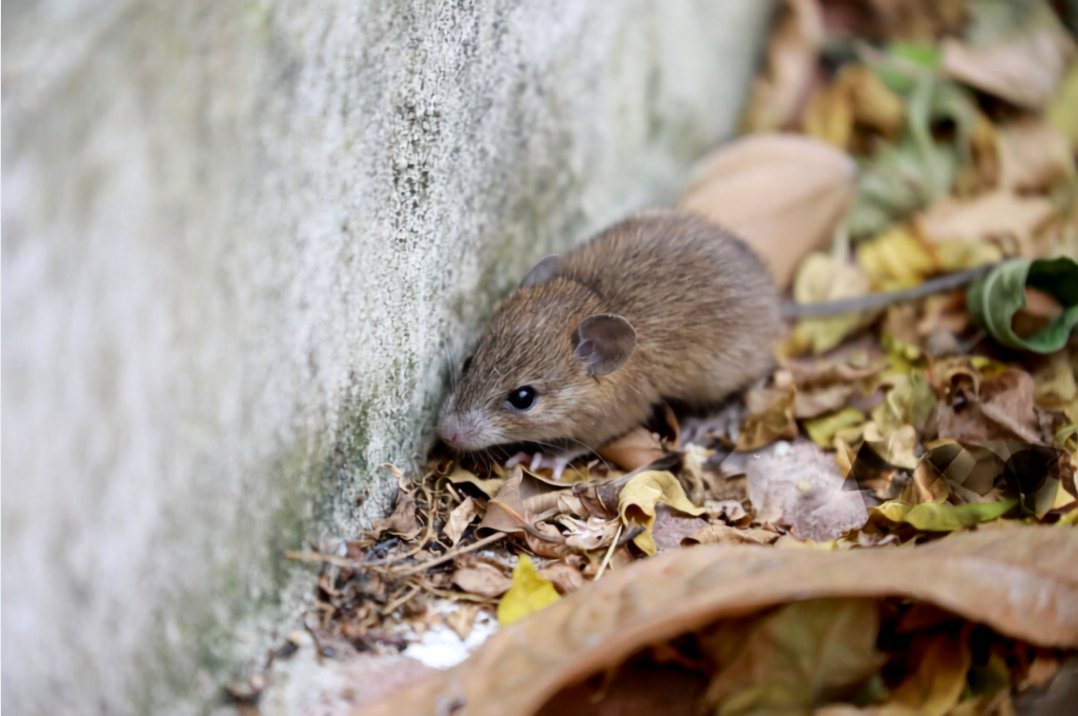
Leptospirosis is an infectious disease that requires particular attention during the rainy season and after flooding. The bacteria that cause the disease can contaminate water, soil, and mud through the urine of infected animals. People who wade through floodwater, work in wet environments, or come into contact with contaminated surroundings may therefore be exposed to the bacteria even without direct contact with rats.
Early symptoms can resemble those of many common infections, including fever, headache, and muscle pain, which may cause the illness to be overlooked. In some people, however, the infection can become severe and affect the kidneys, liver, lungs, or other vital organs. Understanding the disease and recognizing symptoms after a possible exposure can help patients receive appropriate medical care.
What Is Leptospirosis?
Leptospirosis is a bacterial infection caused by bacteria of the genus Leptospira. It is a zoonotic disease, meaning it can spread from animals to humans. Many animals can carry the bacteria, including rats, dogs, cattle, pigs, and other mammals. Infected animals can shed the bacteria in their urine, contaminating the surrounding environment.
Although leptospirosis is commonly associated with rats, they are not the only animals capable of transmitting the bacteria. People may also become infected through water, soil, or mud contaminated with the urine of other infected animals.
The severity of leptospirosis varies considerably. Some infected individuals may have no symptoms or only mild illness, while others may develop severe disease and complications involving vital organs.
How Is Leptospirosis Transmitted?
Most infections occur through direct contact with the urine of infected animals or through contact with water, soil, mud, and other environments contaminated with the bacteria. Leptospira can enter the body through cuts, abrasions, or scratches on the skin, as well as through the mucous membranes of the eyes, nose, and mouth.
Wading through floodwater, walking through mud, or remaining in potentially contaminated water for extended periods can therefore increase the risk of infection, particularly when cuts or wounds are present on the feet or legs. Infection may also occur through direct contact with infected animals or their body fluids, as well as through contaminated food or drinking water.
For this reason, the risk of leptospirosis can increase during periods of heavy rainfall and flooding, particularly in areas with standing water or inadequate sanitation, where contaminated water may spread through the environment.
Symptoms of Leptospirosis
Symptoms do not necessarily develop immediately after exposure. The incubation period can range from approximately 2 to 30 days, with symptoms commonly developing around 5 to 14 days after exposure.
Possible symptoms include fever, chills, headache, body aches, nausea, vomiting, abdominal pain, diarrhea, and fatigue. Muscle pain is another characteristic symptom and may be particularly noticeable in the calves and lower back. Some patients may also develop redness of the eyes.
These symptoms can resemble influenza and several other infectious diseases, making a history of possible exposure particularly important. If fever or other symptoms develop after wading through floodwater, walking through mud, working in a wet environment, or having contact with animals, this information should be shared with a healthcare professional.
In some patients, the infection may become more severe and affect multiple organ systems, including the kidneys, liver, lungs, and nervous system. Warning signs that require prompt medical evaluation may include yellowing of the skin or eyes, reduced urination, difficulty breathing, unusual bleeding, or a rapid worsening of symptoms.
Risk Factors
The risk of leptospirosis is closely associated with the likelihood of exposure to the bacteria. People who regularly work with water, soil, mud, or animals may therefore face a greater risk than the general population.
Higher-risk groups include farmers, agricultural workers, livestock handlers, people working on farms or in slaughterhouses, and individuals whose occupations involve sewage or wastewater. During floods, the general population may also face an increased risk, particularly people who must wade through floodwater or clean homes and other areas after the water recedes.
Cuts, abrasions, and scratches on the skin can further increase the risk when a person comes into contact with contaminated water or soil because these areas can provide a route for the bacteria to enter the body. Not wearing protective equipment such as boots or gloves while in high-risk environments can also increase exposure.
Diagnosis and Treatment
Diagnosing leptospirosis involves evaluating symptoms, possible exposure, and laboratory test results. Because the early symptoms can resemble those of several other infections, a healthcare professional may ask about recent exposure to floodwater, soil or mud, occupational risks, and contact with animals.
Laboratory tests can help identify evidence of infection. The most appropriate testing method may depend on the stage of the illness and the amount of time that has passed since symptoms began.
Antibiotics are an important part of leptospirosis treatment, and appropriate treatment during the early stages of the illness may help reduce its severity. Patients with mild illness may receive oral antibiotics based on a physician's assessment. Patients with severe disease may require hospitalization, intravenous antibiotics, and supportive treatment for any complications that develop.
Antibiotics should not be purchased and taken without medical advice. The appropriate medication, dose, and duration of treatment should be determined according to the patient's symptoms, severity of illness, and individual medical considerations.
Summary
Leptospirosis is a bacterial infection that can spread from animals to humans through contact with infected animal urine or environments contaminated with the bacteria, particularly water, soil, and mud. The risk can increase during the rainy season and after flooding, as well as among people who regularly work or carry out activities in wet environments.
Early symptoms can resemble those of many common infections, but some patients may develop serious complications. Avoiding potentially contaminated water, wearing protective equipment, covering wounds, and washing thoroughly after exposure to potentially contaminated water or soil are important measures for reducing the risk of infection.
If fever, headache, muscle pain, or other unusual symptoms develop after wading through floodwater, walking through mud, or being exposed to a high-risk environment, seek medical attention and inform the healthcare professional about the possible exposure. Early evaluation and appropriate treatment can help reduce the risk of severe complications.
Prepared by: Mr. Warathep Thongdee
References
- Department of Disease Control, Ministry of Public Health, Thailand. Leptospirosis.
- Centers for Disease Control and Prevention (CDC). About Leptospirosis
- Centers for Disease Control and Prevention (CDC). Clinical Overview of Leptospirosis