 TH
 EN
 CN
 JAP
 AR
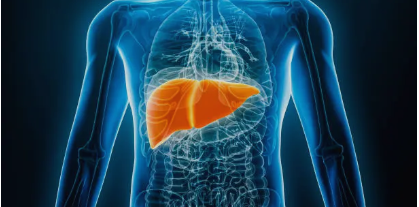
The liver can sustain damage over many years without a person realizing it. Cirrhosis develops when chronic liver injury leads to extensive scar tissue that gradually replaces healthy liver tissue, altering the structure of the liver and reducing its ability to function properly.
One reason cirrhosis requires careful attention is that many people may have few or no symptoms during the early stages because the liver can still compensate for the damage. By the time noticeable symptoms such as jaundice, abdominal swelling, leg swelling, or confusion develop, significant liver damage may already have occurred. Identifying and managing the underlying cause as early as possible may therefore help slow disease progression and reduce the risk of complications.
What Is Cirrhosis?
Cirrhosis is a condition in which healthy liver tissue is gradually replaced by scar tissue following repeated or long-term liver injury. This scar tissue not only reduces the liver's ability to function but can also interfere with blood flow through the liver.
The liver performs many essential functions, including removing certain substances from the blood, producing proteins needed by the body, making substances involved in blood clotting, and processing nutrients. As more healthy liver tissue is replaced by scar tissue, these functions gradually become less effective.
In the early stages, the remaining healthy liver tissue may still be able to compensate, allowing a person to live normally without obvious symptoms. This is known as compensated cirrhosis. If liver damage continues and the liver can no longer function adequately, the condition may progress to decompensated cirrhosis, when various complications begin to appear.
How Cirrhosis Develops
Cirrhosis usually does not develop suddenly. Instead, it results from repeated liver injury occurring over a long period of time. When liver cells are damaged, the body attempts to repair the affected areas. This repair process can lead to the formation of fibrosis or scar tissue within the liver.
If the underlying cause of liver injury can be treated or controlled at an early stage, the progression of fibrosis may slow. However, if liver damage continues, scar tissue can gradually accumulate and interfere with both the liver's structure and blood circulation.
As blood becomes more difficult to pass through the liver, pressure may increase in the portal vein, which carries blood from the digestive system to the liver. This condition is known as portal hypertension and is an important cause of several complications, including fluid accumulation in the abdomen and enlarged veins in the esophagus.
Causes and Risk Factors of Cirrhosis
Cirrhosis can develop from several different causes, and some people may have more than one factor contributing to ongoing liver damage.
One important cause is prolonged alcohol consumption at levels that are harmful to the liver. Long-term alcohol exposure can lead to inflammation and fibrosis of liver tissue.
Metabolic dysfunction-associated steatotic liver disease (MASLD) is another important cause. It is commonly associated with overweight, obesity, type 2 diabetes, and other metabolic abnormalities. In some people, persistent liver inflammation and damage can eventually progress to fibrosis and cirrhosis.
Chronic infection with hepatitis B or hepatitis C virus can also cause long-term liver inflammation and may eventually lead to cirrhosis.
Other less common causes include autoimmune hepatitis, diseases affecting the bile ducts, Wilson disease, excessive iron accumulation in the body, alpha-1 antitrypsin deficiency, and certain medications or substances that may cause liver damage when used over a long period of time.
Symptoms to Watch For
Early-stage cirrhosis often causes no symptoms, or the symptoms may be nonspecific and easy to overlook. Early symptoms may include fatigue, weakness, loss of appetite, unintentional weight loss, nausea, itchy skin, or discomfort in the upper right side of the abdomen.
As liver function declines, more noticeable symptoms may appear, including yellowing of the skin or eyes, dark urine, easy bruising or bleeding, swelling of the legs or ankles, and fluid accumulation in the abdomen that causes abdominal enlargement.
Some people may develop hand tremors, reduced memory or concentration, unusual drowsiness, confusion, or changes in behavior. These symptoms may be related to hepatic encephalopathy, which can occur when the liver is no longer able to remove certain substances from the blood effectively.
However, these symptoms can also occur with other medical conditions. Having one of these symptoms does not necessarily mean that a person has cirrhosis. Diagnosis requires medical assessment together with appropriate testing.
Complications of Cirrhosis
As cirrhosis progresses, complications may develop because of both reduced liver function and increased pressure in the portal vein.
One common complication is ascites, or the accumulation of fluid in the abdomen. This can cause abdominal swelling and discomfort and may occur together with swelling of the legs or ankles.
Portal hypertension can also cause enlarged veins, or varices, to develop in the esophagus or stomach. These veins may rupture and cause gastrointestinal bleeding, which can become a medical emergency.
Another complication is hepatic encephalopathy. When substances that would normally be removed by the liver accumulate in the bloodstream and affect the brain, a person may initially experience reduced concentration, changes in sleep patterns, or confusion. In severe cases, significant drowsiness or loss of consciousness may occur.
People with cirrhosis also have an increased risk of infection, malnutrition, loss of muscle mass, and liver cancer. Regular medical follow-up is therefore important even when severe symptoms are not present.
Treatment and Management of Cirrhosis
Treatment for cirrhosis depends on the underlying cause, the degree of liver damage, existing complications, other medical conditions, and the patient's overall health. The main goals are to treat or control the cause of liver injury, slow further progression, and prevent or manage complications.
If liver disease is related to alcohol, stopping alcohol consumption is particularly important. People with hepatitis B or hepatitis C may receive antiviral treatment when indicated. For those with fatty liver disease associated with overweight or obesity, a doctor may recommend weight management and treatment of related conditions such as diabetes or other metabolic disorders.
If complications develop, additional treatments may be necessary. These may include medications to reduce fluid accumulation, procedures to drain fluid from the abdomen, medications to reduce the risk associated with varices, endoscopic treatment, or medications used to manage hepatic encephalopathy.
For patients with severe liver damage in whom the liver can no longer function adequately, doctors may consider an assessment for liver transplantation.
Self-Care for People With Cirrhosis
People with cirrhosis should avoid alcohol because it may contribute to further liver damage. A balanced diet and adequate nutritional intake are also important because people with cirrhosis are at increased risk of malnutrition and muscle loss.
Those with swelling or ascites may be advised to limit sodium according to their doctor's treatment plan. Protein intake should not be restricted without professional advice, as many people with cirrhosis require adequate protein to help prevent muscle loss.
Raw seafood and raw shellfish should be avoided because people with liver disease may be at greater risk of severe infections from certain microorganisms.
Medications, herbal products, and dietary supplements should not be started without consulting a doctor or pharmacist, as some products may affect the liver or interact with existing medications. Patients should also avoid stopping or changing prescribed medications on their own.
Regular medical follow-up is important because people with cirrhosis have an increased risk of liver cancer. AASLD guidance generally recommends liver cancer surveillance in patients with cirrhosis every six months using abdominal ultrasound together with alpha-fetoprotein (AFP) testing when appropriate.
When to Seek Emergency Medical Care
People who have been diagnosed with cirrhosis should seek immediate medical attention if they experience vomiting blood, black or bloody stools, sudden confusion, slurred speech, unusual drowsiness, or loss of consciousness.
These symptoms may indicate serious complications such as bleeding from gastrointestinal varices or hepatic encephalopathy and require urgent medical assessment and treatment.
In addition, if the abdomen becomes rapidly more swollen, leg swelling worsens, yellowing of the skin or eyes becomes more pronounced, fever develops, or overall health deteriorates, a doctor should be contacted for assessment rather than waiting until the next scheduled appointment.
Summary
Cirrhosis develops when chronic liver damage leads to the formation of extensive scar tissue that replaces healthy liver tissue. Important causes include alcohol-related liver disease, metabolic dysfunction-associated steatotic liver disease, and chronic hepatitis B or hepatitis C infection.
An important characteristic of cirrhosis is that it may cause no symptoms during the early stages. Identifying and controlling the underlying cause as early as possible may help slow further liver damage. People who have already been diagnosed should follow medical advice, avoid factors that may cause additional liver injury, and undergo regular monitoring for complications.
If symptoms such as vomiting blood, black stools, sudden confusion, or reduced consciousness occur, immediate medical attention is required because these may be signs of serious complications that need urgent treatment.
Prepared by: ภญ. ปุณยนุช อังคะนาวิน
References
- National Institute of Diabetes and Digestive and Kidney Diseases (NIDDK). Cirrhosis
- National Health Service (NHS). Cirrhosis
- American Association for the Study of Liver Diseases (AASLD). Back to Basics: Outpatient Management of Cirrhosis