 TH
 EN
 CN
 JAP
 AR
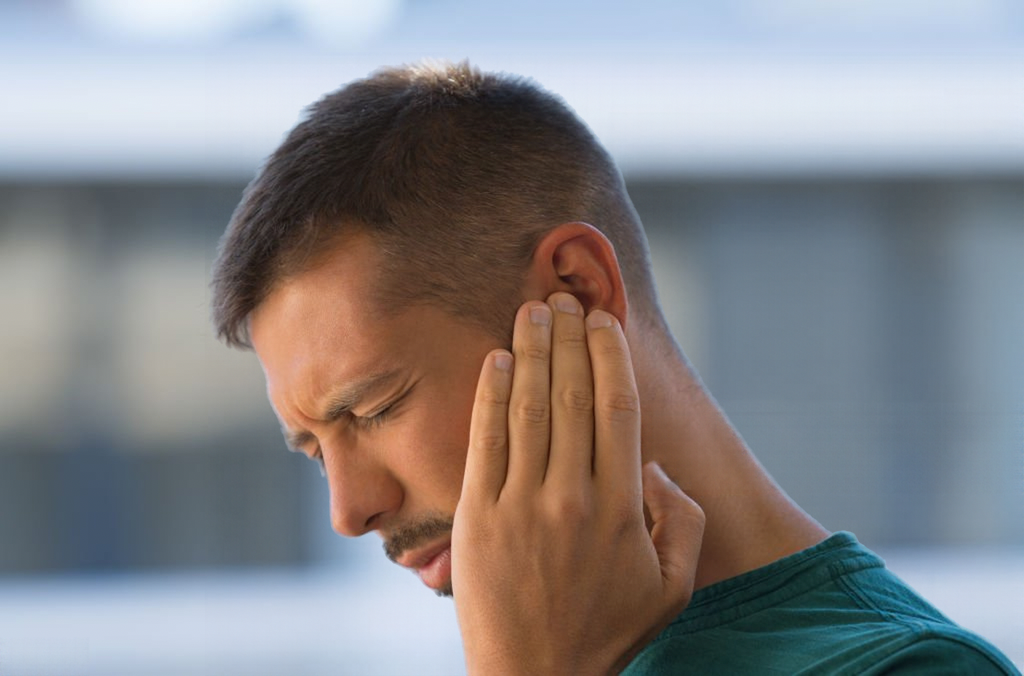
Otitis Externa: Symptoms, Causes, Treatment, and Prevention
Ear pain, itching inside the ear canal, or a blocked sensation after swimming or bathing may be signs of otitis externa, an inflammatory condition that can affect both children and adults. It is particularly common among people who are frequently exposed to water or who clean their ears with objects that may injure the skin inside the ear canal.
Although most cases of otitis externa can be treated effectively, leaving the condition untreated may allow the inflammation to worsen, potentially causing severe pain, swelling of the ear canal, and temporary hearing loss.
Understanding the causes, symptoms, and appropriate treatment of otitis externa is therefore important for reducing the risk of complications and preventing recurrence.
What Is Otitis Externa?
Otitis externa is inflammation of the skin lining the external ear canal, the passage that extends from the outer ear to the eardrum. It may be caused by bacterial or fungal infections, as well as irritation or damage to the skin inside the ear canal.
The condition is commonly known as “swimmer’s ear” because it frequently occurs in people who swim or are regularly exposed to water.
When water remains trapped in the ear canal for an extended period, the resulting moisture can weaken the skin’s natural protective mechanisms. This creates an environment in which microorganisms can grow more easily and potentially cause infection.
Otitis externa is different from otitis media, or middle ear infection. Otitis media occurs behind the eardrum, whereas otitis externa affects the external ear canal.
Causes of Otitis Externa
Otitis externa can develop for several reasons. Important contributing factors include moisture, infection, and damage to the skin inside the ear canal.
Bacterial Infection
Bacterial infection is a common cause of acute otitis externa. Bacteria frequently associated with the condition include:
- Pseudomonas aeruginosa, which is commonly found in moist environments.
- Staphylococcus aureus, which may be present on the skin and can cause infection when the skin barrier is damaged.
When bacteria multiply inside the ear canal, they may cause swelling, redness, pain, and discharge from the ear.
Fungal Infection
Certain fungi, including Aspergillus and Candida, can cause infections of the external ear canal, particularly when moisture remains trapped inside the ear or when the normal balance of microorganisms in the ear canal has been disrupted.
People with fungal infections may experience significant itching, a blocked sensation in the ear, or abnormal discharge.
Water Trapped in the Ear Canal
Swimming, bathing, and other activities that repeatedly expose the ears to water can cause moisture to remain inside the ear canal.
Persistent moisture may interfere with the protective function of the skin and earwax, making the ear canal more susceptible to inflammation and infection.
Ear Picking or Aggressive Ear Cleaning
Using cotton swabs, hairpins, or other objects inside the ear canal may cause small scratches or injuries to the skin.
These injuries can provide an entry point for microorganisms and increase the risk of infection. Cleaning the ears too frequently may also remove earwax, which plays an important role in protecting the ear canal naturally.
Skin Conditions and Irritation
People with certain skin conditions may have an increased risk of developing otitis externa, including:
- Eczema
- Psoriasis
- Contact dermatitis
These conditions can make the skin inside the ear canal more sensitive to irritation and may weaken its natural protective barrier against infection.
Symptoms of Otitis Externa
Symptoms of otitis externa may vary depending on the cause and severity of the inflammation. Common symptoms include:
- Ear pain: Pain may become worse when pulling on the outer ear or pressing the small cartilage in front of the ear canal.
- Itching inside the ear canal: Itching may be one of the earliest symptoms.
- Redness and swelling of the ear canal: These symptoms occur as a result of inflammation.
- Ear discharge: Clear fluid or pus-like discharge may come from the affected ear.
- Blocked ear or reduced hearing: Swelling and accumulated discharge may temporarily affect hearing.
- A feeling of fullness in the ear: This may occur together with pain or itching.
- Pain while chewing: Jaw movement may increase discomfort around the affected ear canal.
In some people, symptoms may begin with mild itching before progressing to more significant pain and swelling.
Is Otitis Externa Dangerous?
Most cases of otitis externa are not serious and usually respond well to appropriate treatment. However, severe or untreated infections may occasionally lead to complications.
Severe swelling and blockage of the ear canal
Significant inflammation can cause the ear canal to narrow or become blocked, potentially resulting in temporary hearing loss or a blocked sensation.
Infection spreading to surrounding tissues
In some cases, infection may spread beyond the ear canal and cause redness, swelling, or pain involving the outer ear and surrounding skin.
Severe infection involving the skull base
This condition, known as necrotizing otitis externa, is an uncommon but serious complication in which the infection can spread to the bone around the base of the skull.
It occurs more frequently in people with diabetes, particularly when blood glucose levels are poorly controlled, and in people with weakened immune systems. People in these higher-risk groups should seek medical evaluation promptly if they develop symptoms suggestive of an ear infection.
Who Is at Risk of Otitis Externa?
Although anyone can develop otitis externa, certain groups may be at greater risk, including:
- People who swim or participate in water activities regularly
- People who frequently have water or moisture trapped inside the ear canal
- People who regularly use cotton swabs or other objects to clean their ears
- People with skin conditions affecting the ear canal
- People who use hearing aids or devices that remain inside the ear canal for extended periods
- People with recurrent otitis externa
- People with diabetes
- People with weakened immune systems
Reducing modifiable risk factors may help lower the risk of developing otitis externa and prevent recurrence.
When Should You See a Doctor?
People experiencing ear pain, itching, or discharge should consider seeking medical evaluation to determine the underlying cause, particularly if symptoms do not improve or become progressively worse.
Seek prompt medical attention if you experience:
- Severe ear pain or rapidly worsening pain
- Fever accompanied by ear pain or pus-like discharge
- Redness or swelling spreading to the outer ear or surrounding areas
- Significant hearing loss
- Severe dizziness
- Facial weakness or facial drooping
People with diabetes or weakened immune systems should seek medical attention promptly if they experience severe or persistent ear pain, particularly pain that becomes worse at night, as this may indicate a more serious complication.
How Is Otitis Externa Diagnosed?
Otitis externa can usually be diagnosed through a medical history and physical examination. A healthcare professional may use several approaches.
Medical History
The doctor may ask about symptoms such as ear pain and itching, when the symptoms began, recent swimming or water exposure, ear-cleaning habits, and underlying medical conditions.
Examination with an Otoscope
An otoscope may be used to examine the ear canal and eardrum for abnormalities such as:
- Redness and swelling of the ear canal
- Discharge or pus
- Blockage of the ear canal
- Abnormalities of the eardrum
This examination can also help distinguish otitis externa from middle ear infections and other ear conditions.
Additional Tests
For severe, recurrent, or treatment-resistant infections, a sample of ear discharge may be collected to identify the microorganism responsible. If the infection is suspected to have spread into surrounding tissues or bone, additional imaging tests may be considered as appropriate.
Treatment of Otitis Externa
Treatment depends on the cause, severity of symptoms, and the patient’s underlying health conditions.
Ear Drops
Ear drops are the main treatment for uncomplicated acute otitis externa. Depending on the cause and clinical findings, a doctor may prescribe:
- Antibiotic ear drops for bacterial infections
- Ear drops containing anti-inflammatory medication
- Antifungal ear drops when a fungal infection is suspected or confirmed
- Other types of ear drops depending on the underlying cause and severity
The choice of medication must also take the condition of the eardrum into consideration because some ear drops may not be suitable for people with a perforated eardrum. For this reason, ear drops should not be used without appropriate advice from a doctor or pharmacist.
Pain Relief
For people experiencing ear pain, appropriate pain-relieving medication may be recommended based on age, underlying medical conditions, and individual precautions.
Cleaning the Ear Canal
If discharge, debris, or dead skin has accumulated inside the ear canal, a healthcare professional may clean the canal using an appropriate technique. When severe swelling prevents ear drops from reaching the affected area effectively, a device may sometimes be used to help deliver medication deeper into the ear canal.
Oral Antibiotics
Oral antibiotics are generally not necessary for uncomplicated otitis externa. However, if the infection has spread beyond the ear canal or the patient has certain risk factors, a doctor may prescribe oral or intravenous antibiotics when clinically appropriate. Patients should use medications exactly as prescribed and should not stop or change their treatment without medical advice.
How to Care for Yourself During Otitis Externa
Appropriate self-care during treatment can help reduce irritation and support recovery of the skin inside the ear canal. Recommended measures include:
Keep the affected ear dry
Avoid swimming while symptoms are present and take care to prevent water or shampoo from entering the ear during bathing.
Do not insert cotton swabs or other objects into the ear
Ear picking or cleaning may cause additional injury to already inflamed skin and increase the risk of infection.
Use ear drops as directed
If ear drops have been prescribed, use them according to the recommended dose and duration to help ensure effective treatment.
Avoid devices that irritate the ear canal
Avoid using in-ear headphones or other devices that come into contact with the ear canal if they cause pain or irritation.
Do not put unapproved liquids or substances into the ear
Avoid putting oils, alcohol, vinegar, or other substances into the ear without medical advice, particularly when the condition of the eardrum is unknown.
How to Prevent Otitis Externa
Otitis externa may be prevented by reducing moisture inside the ear canal and avoiding damage to the skin.
Dry the Ears After Water Exposure
After swimming or bathing, tilt the head so that each ear faces downward to allow trapped water to drain naturally. A clean towel may be used to gently dry the outer ear, but it should not be inserted into the ear canal.
Avoid Ear Picking
Earwax helps protect the skin inside the ear canal from dirt and certain microorganisms. Removing earwax unnecessarily may interfere with this natural protective mechanism.
Use Appropriate Water Protection
People who swim regularly may consider using properly fitted ear protection that helps prevent water from entering the ear without causing irritation.
Keep Ear Devices Clean
Hearing aids and other devices that come into contact with the ear canal should be kept clean. Their use should be limited if they cause irritation.
Manage Underlying Skin Conditions
People with eczema, psoriasis, or other skin conditions affecting the ear canal should receive appropriate treatment to help reduce inflammation and the risk of recurrent otitis externa.
How Long Does Otitis Externa Take to Heal?
The recovery period depends on the underlying cause and severity of the condition.
People with acute otitis externa who receive appropriate treatment often begin to notice improvement within 48–72 hours, and many cases may resolve within approximately 7–10 days.
However, treatment may take longer in people with severe infections, associated skin conditions, or chronic otitis externa.
If symptoms do not begin to improve within 48–72 hours after starting treatment, the patient should return to a healthcare professional for further evaluation.
Summary
Otitis externa is inflammation of the external ear canal that may be caused by bacterial or fungal infections, as well as irritation or damage to the skin. Important risk factors include persistent moisture inside the ear canal, ear picking, and certain skin conditions.
Common symptoms include ear pain, itching, redness and swelling of the ear canal, discharge, a blocked sensation, and temporary hearing loss.
Most cases can be treated effectively with ear drops and appropriate ear care. However, people with severe symptoms or underlying conditions such as diabetes should seek medical evaluation promptly.
Keeping the ear canal dry, avoiding the insertion of objects into the ear, and maintaining appropriate ear hygiene are important measures that may help reduce the risk of otitis externa and prevent recurrence.
Prepared by: Punyanooch Angkanawin, Pharm.D.
References
- Centers for Disease Control and Prevention (CDC). Preventing Swimmer’s Ear.
- American Academy of Otolaryngology–Head and Neck Surgery (AAO-HNS). Clinical Practice Guideline: Acute Otitis Externa (Update).
- The Rotherham NHS Foundation Trust. Otitis Externa (Outer Ear Infection).