 TH
 EN
 CN
 JAP
 AR
Fifth Disease (Parvovirus B19): Symptoms, Transmission, and High-Risk Groups
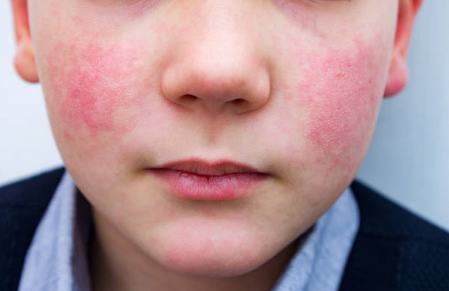
A child develops a fever and cold-like symptoms, and a few days later, a bright red rash appears on the cheeks, making them look as though they have been slapped. This can leave parents wondering whether the rash is caused by an allergy, fever, or an infection.
One possible cause is Fifth Disease, an infection caused by Parvovirus B19. It is particularly common among school-aged children, and in otherwise healthy individuals, symptoms are usually mild and often resolve on their own.
However, fifth disease does not affect children exclusively. Adults can also become infected, and their symptoms may differ. Certain groups also require additional caution, including pregnant women, people with certain blood disorders, and individuals with weakened immune systems.
Understanding the typical characteristics of the condition can help distinguish it from other illnesses and make it easier to recognize when medical advice may be necessary.
What Is Fifth Disease?
Fifth Disease, medically known as Erythema Infectiosum, is an infectious disease caused by Human Parvovirus B19.
It is also commonly known as Slapped Cheek Syndrome, because some children develop a distinctive bright red rash on the cheeks that resembles the appearance of having been slapped.
Although the name “Parvovirus” may sound similar to parvovirus infections seen in dogs or cats, the Parvovirus B19 that causes illness in humans is a different virus. It is therefore not transmitted from dogs or cats to humans.
The infection can occur in both children and adults, although symptoms may differ. Children are more likely to develop a noticeable rash, while joint pain may be a more prominent symptom in some adults.
How Is Parvovirus B19 Transmitted?
Parvovirus B19 can spread from person to person, particularly through respiratory secretions released when an infected person coughs or sneezes.
In some cases, the virus can also be transmitted through blood. If a pregnant woman becomes infected, the virus may also pass from the mother to the developing fetus.
One factor that makes fifth disease relatively difficult to prevent is that infected individuals are usually most contagious before the rash appears.
During the early stage of infection, a person may experience only cold-like symptoms, such as fever, a runny nose, sore throat, or general discomfort. As a result, many people may not realize that they are infected and may continue their normal daily activities and interactions with others.
By the time the characteristic red cheek rash or body rash becomes visible, the person has generally already passed the most contagious stage of the illness.
What Are the Symptoms of Fifth Disease?
Not everyone infected with Parvovirus B19 develops symptoms. Some people may become infected without realizing it.
For those who do develop symptoms, the clinical features often change as the infection progresses.
Early Symptoms May Resemble a Common Cold
During the early stage of infection, a rash may not yet be present, and the symptoms are not specific to fifth disease. They may include:
- Fever
- Headache
- Runny nose
- Cough or sore throat
- Body aches
- Fatigue or a general feeling of being unwell
After these symptoms have been present for some time, a rash may begin to appear.
Red Rash on the Cheeks
A red cheek rash is one of the most recognizable features associated with fifth disease, particularly in children.
One or both cheeks may become noticeably red, giving rise to the name Slapped Cheek Syndrome.
However, the absence of this characteristic rash does not rule out Parvovirus B19 infection. Some infected individuals may not develop a rash at all, particularly adults.
The Rash May Spread to Other Parts of the Body
After the facial rash appears, some people may develop a pink or red rash on other parts of the body, including:
- Chest
- Back
- Arms
- Legs
- Buttocks
As the rash begins to fade, it may develop a distinctive lacy or net-like appearance.
In general, the rash gradually disappears within approximately 1–3 weeks. However, it may temporarily become more noticeable again after exercise, exposure to heat, or during periods of stress.
Can Adults Get Fifth Disease?
Adults can become infected with Parvovirus B19 just like children, particularly if they have not previously developed immunity to the virus.
Adults may not develop the prominent red cheek rash typically seen in children. Instead, joint pain or swelling may be a more common feature.
Affected joints may include:
- Finger joints
- Wrists
- Knees
- Ankles
- Feet
Symptoms often affect joints on both sides of the body and may persist for several weeks. In some cases, they may last longer.
However, most patients gradually recover, and the infection generally does not cause long-term joint damage.
Why Does Parvovirus B19 Require Extra Caution in Certain People?
For otherwise healthy individuals, fifth disease is usually mild. However, because Parvovirus B19 can affect red blood cell production, the infection may have more significant consequences in certain groups.
People With Certain Blood Disorders
Individuals with conditions that cause red blood cells to break down more rapidly than normal, such as:
- Thalassemia
- Sickle Cell Disease
- Hereditary Spherocytosis
may be at increased risk of a sudden temporary interruption in red blood cell production, a condition known as Transient Aplastic Crisis.
This can result in severe anemia. Anyone in these risk groups who suspects Parvovirus B19 infection should therefore seek medical evaluation.
People With Weakened Immune Systems
People whose immune systems are not functioning normally may have greater difficulty clearing the virus. This may include individuals taking immunosuppressive medications, organ transplant recipients, or some patients undergoing cancer treatment.
In some individuals, the virus may persist for an extended period and may be associated with ongoing anemia.
Should Pregnant Women Be Concerned About Fifth Disease?
Pregnant women should consult a healthcare professional if they know they have been in close contact with someone infected with Parvovirus B19 or if they develop symptoms that may suggest an infection.
The virus can pass from the mother to the fetus, but this does not mean that every maternal infection will cause complications for the baby.
Most infections do not lead to serious complications. However, in some cases, the virus can affect the fetus’s production of red blood cells, potentially causing severe anemia and affecting other body systems.
Infection during the first half of pregnancy may also be associated with a slightly increased risk of miscarriage.
If a pregnant woman develops a rash, experiences joint pain, or knows that she has been exposed to an infected person, she should inform her obstetrician. The doctor can then determine whether additional testing or closer pregnancy monitoring is appropriate.
Exposure to the virus does not automatically mean that the baby will be harmed. Some adults are already immune as a result of a previous infection, and being exposed to an infected person does not necessarily mean that infection will occur.
How Is Fifth Disease Diagnosed?
In children with a medical history and rash pattern consistent with fifth disease, a doctor may be able to make an assessment based on the symptoms and physical examination. Blood testing is not necessary for every patient.
In certain situations, particularly in people at increased risk of complications, a doctor may consider blood testing for antibodies against Parvovirus B19.
These tests can help determine whether a person has been infected in the past or may have had a recent infection.
If infection is confirmed during pregnancy, the doctor may recommend additional monitoring of both the mother and fetus, which may include blood tests or ultrasound examinations as appropriate.
How Is Fifth Disease Treated?
In otherwise healthy individuals, most Parvovirus B19 infections resolve on their own. Treatment therefore focuses primarily on relieving symptoms.
Supportive care may include:
- Getting adequate rest
- Drinking enough fluids
- Monitoring symptoms closely
- Managing fever or pain according to advice from a healthcare professional
If fever-reducing or pain-relieving medication is required, it should be selected appropriately based on the patient’s age and health condition. Parents of children, pregnant women, people with underlying medical conditions, and those who take regular medications should consult a doctor or pharmacist before using medication.
Patients who develop complications, such as severe anemia, may require additional treatment in hospital. Management will depend on the severity of the condition and the individual patient’s overall health.
There is currently no vaccine available to prevent Parvovirus B19 infection.
How Can the Risk of Transmission Be Reduced?
Because infected individuals can transmit the virus before a rash appears, it is not possible to prevent every case of transmission. However, basic hygiene measures can help reduce the risk of spreading the infection.
Recommended measures include:
- Washing hands regularly with soap and water
- Avoiding touching the eyes, nose, or mouth with unwashed hands
- Covering the mouth and nose when coughing or sneezing
- Disposing of used tissues properly
- Cleaning frequently touched surfaces and objects
- Avoiding close contact with others while feeling unwell
It is important not to wait until a rash becomes visible before taking precautions, as the most contagious period may occur before the rash appears.
Does a Red Cheek Rash Always Mean Fifth Disease?
No.
Rashes in children can have many different causes, ranging from other viral infections and allergic reactions to medications to various skin conditions or disorders.
Fifth disease should therefore not be diagnosed based on the appearance of the rash alone. Other factors should also be considered, such as fever, cold-like symptoms, the pattern and distribution of the rash, and any history of contact with an infected person.
If you are unsure what is causing a child’s rash, or if other unusual symptoms are present, it is advisable to seek medical evaluation rather than attempting to diagnose the condition yourself.
When Should You See a Doctor?
People with mild symptoms who are otherwise healthy usually recover on their own. However, medical advice should be sought if Parvovirus B19 infection is suspected in any of the following groups:
- Pregnant women
- People with thalassemia or conditions that cause red blood cells to break down more rapidly than normal
- People with weakened immune systems
- People taking immunosuppressive medications
- People undergoing cancer treatment
- People whose symptoms persist, fail to improve, or become more severe
Which Symptoms Require Prompt Medical Attention?
Prompt medical assessment is recommended if symptoms suggestive of severe anemia occur, including:
- Unusually pale skin
- Severe or unusual fatigue
- Difficulty breathing or shortness of breath
- Severe dizziness
- Lightheadedness or fainting
- Palpitations accompanied by unusual weakness or fatigue
People with blood disorders or weakened immune systems, in particular, should not wait to see whether these symptoms improve on their own.
Summary
Fifth disease is an infection caused by Parvovirus B19 and is commonly seen in children. Symptoms may initially resemble a common cold before a red rash develops on the cheeks and other parts of the body. In some adults, joint pain may be more prominent than the rash.
Most otherwise healthy individuals experience mild symptoms and gradually recover without specific treatment. However, pregnant women, people with certain blood disorders, and individuals with weakened immune systems should take additional precautions and consult a healthcare professional if they suspect exposure to or infection with the virus.
A red cheek rash alone cannot confirm a diagnosis of fifth disease. If symptoms are unclear, become more severe, or occur in someone with a health condition that increases the risk of complications, medical evaluation is recommended to ensure appropriate advice and care.
Prepared by: Pharmacist Punyanuch Angkhanawin
References
- Centers for Disease Control and Prevention (CDC). About Parvovirus B19
- Centers for Disease Control and Prevention (CDC). Parvovirus B19 in Pregnancy
- National Health Service (NHS). Slapped Cheek Syndrome