93 จำนวนผู้เข้าชม |
11/06/2026
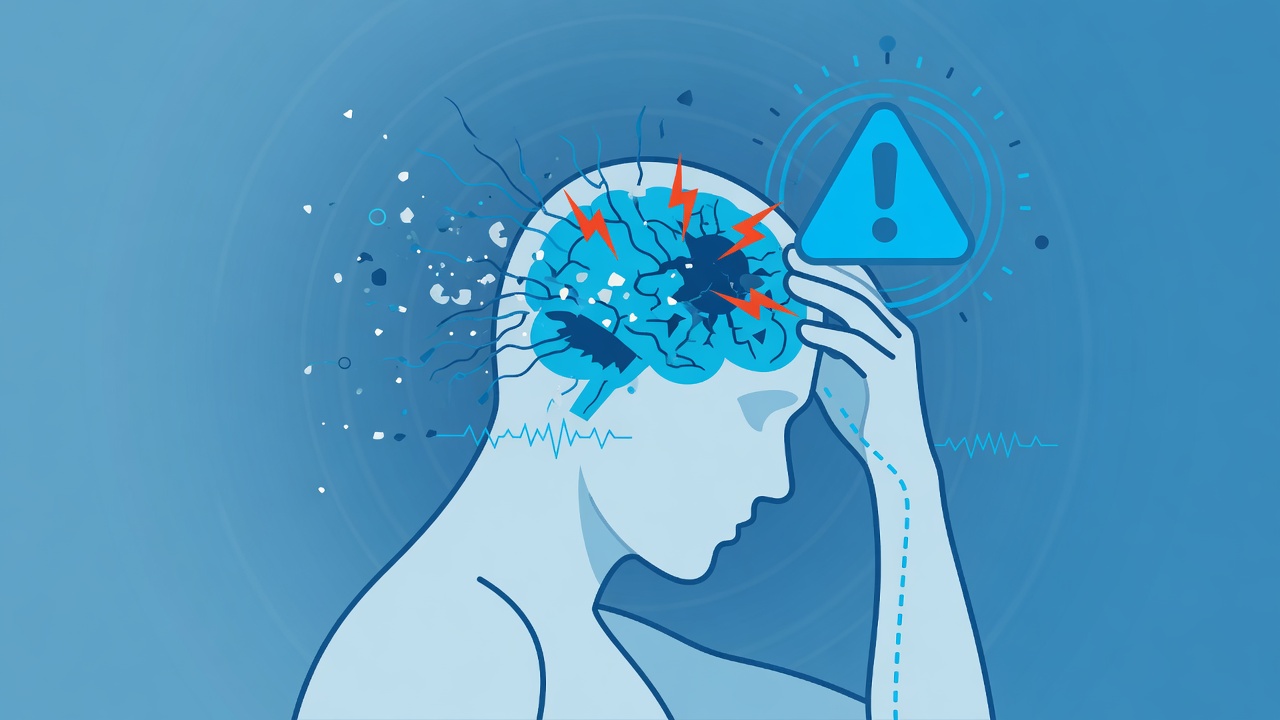
A stroke is a medical emergency that occurs when blood flow to the brain is interrupted or reduced, causing brain cells to become damaged rapidly. Without prompt treatment, a stroke may lead to permanent disability or death.
Recognizing the early warning signs using the FAST method is extremely important because it can help patients receive treatment more quickly and improve their chances of recovery.
FAST is a simple method used to identify the most common signs of stroke. It consists of the following:
Look for facial drooping, an uneven smile, or one corner of the mouth drooping on one side.
Simple Ways to Check
Watch for weakness, numbness, or loss of strength in an arm or leg, typically affecting one side of the body.
Simple Ways to Check
Observe whether the person has slurred speech, difficulty speaking, inability to speak, or trouble understanding language.
Simple Ways to Check
Time is the most critical factor in stroke treatment.
If any FAST symptoms are present, seek emergency medical care immediately. Do not wait to see if the symptoms improve, as every minute of delay may result in further brain cell damage.
Stroke risk factors can be divided into two categories: modifiable risk factors and non-modifiable risk factors.
High Blood Pressure This is considered the most important risk factor because high blood pressure can damage blood vessels, making them more likely to narrow, harden, or rupture.
Diabetes People with diabetes are at greater risk of developing hardened blood vessels and may have a higher risk of stroke than those without diabetes.
High Cholesterol The buildup of cholesterol in blood vessels may contribute to narrowing or blockage of the arteries.
Heart Disease Conditions such as atrial fibrillation, heart valve disorders, and heart failure may increase the risk of blood clots that can travel to the brain.
Smoking chemicals in tobacco smoke can damage blood vessels and reduce oxygen levels in the blood, increasing the risk of stroke.
Alcohol Consumption and Substance Abuse Heavy alcohol use and certain illicit drugs may increase blood pressure and contribute to blood vessel inflammation.
Obesity and Physical Inactivity Poor dietary habits and lack of exercise can negatively affect vascular health over time.
Sleep Apnea Sleep apnea may increase the risk of stroke and should be evaluated and treated when appropriate.
Hormone Use Certain hormonal medications, including some contraceptives, may be associated with an increased risk of stroke in some women.
Age Stroke risk increases with age, particularly after age 55.
Sex Men generally have a higher risk of stroke than women in certain age groups.
Family History Having a close family member with a history of stroke may increase an individual's risk.
Ethnicity Certain populations may have higher rates of stroke than others.
Blood Clotting Disorders Conditions that cause abnormal blood clotting may increase the risk of stroke.
The Stroke Golden Hour refers to the critical period within 4.5 hours after stroke symptoms begin.
When patients receive treatment within this timeframe, healthcare professionals may be able to intervene more effectively, potentially reducing brain damage and improving recovery outcomes.
In addition to FAST symptoms, stroke may also present with:
Anyone experiencing these symptoms should seek medical attention immediately.
Report the symptoms and identify the last known time the person was symptom-free. This information helps healthcare providers determine appropriate treatment options.
Do not wait for symptoms to improve. Delays may reduce the opportunity for effective treatment during the Golden Hour.
In particular, blood pressure medications or medications used for chronic conditions should not be given unless directed by a healthcare professional.
Bring a list of medical conditions and medications currently being used to assist healthcare providers.
Some individuals may experience a transient ischemic attack (TIA), often called a "mini-stroke." Although symptoms may resolve quickly, a TIA can be an important warning sign of a future stroke.
Although some risk factors cannot be changed, maintaining a healthy lifestyle may help reduce the risk of stroke.
The FAST method is an important tool for recognizing the early signs of stroke, including facial drooping, arm weakness, and speech difficulties. If these symptoms occur, immediate medical attention is essential. Receiving treatment within the Stroke Golden Hour can help reduce brain damage, lower the risk of disability, and improve the chances of recovery.
Prepared by: ภญ ปุณยนุช อังคะนาวิน
© 2026 Siammerx Co., Ltd
 TH
TH EN
EN CN
CN JAP
JAP AR
AR