68 จำนวนผู้เข้าชม |
20/07/2026
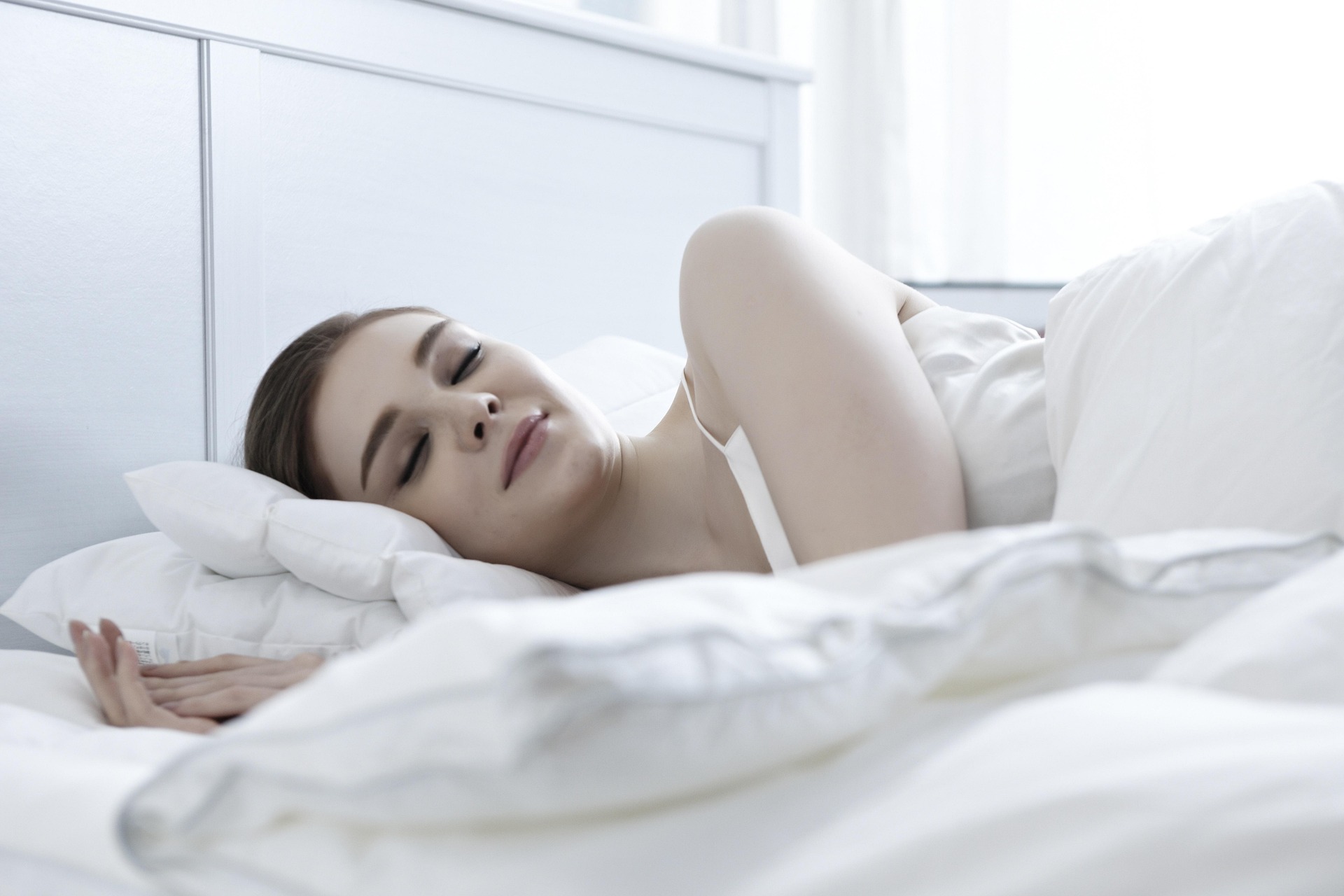
Sleep apnea is a common condition in which breathing repeatedly stops and restarts throughout the night. These pauses can last from a few seconds to over a minute and may occur dozens of times per hour in severe cases, preventing the body from getting enough oxygen and disrupting the quality of sleep.
There are two main types. Obstructive sleep apnea (OSA), the most common form, happens when the muscles in the throat relax too much during sleep, causing the airway to become partially or fully blocked. Central sleep apnea is less common and occurs when the brain fails to send the proper signals to the muscles that control breathing.
Several factors increase the likelihood of developing sleep apnea:
Many people are unaware they have sleep apnea because the most obvious signs happen while they're asleep:
If you experience several of these symptoms together, especially loud snoring combined with daytime fatigue, it's worth discussing with a doctor.
Diagnosis typically starts with a discussion of symptoms and medical history, followed by a sleep study (polysomnography), which can be conducted overnight in a sleep lab or, in many cases, at home with a portable monitoring device. This test measures breathing patterns, oxygen levels, and how often breathing pauses occur during sleep, allowing a doctor to determine the severity of the condition.
Untreated sleep apnea is associated with several other health conditions, including high blood pressure, heart attack, stroke, irregular heartbeat, type 2 diabetes, and chronic lung disease. The repeated drops in oxygen and disrupted sleep place ongoing strain on the cardiovascular system, which is why healthcare providers generally recommend addressing sleep apnea rather than simply living with the symptoms.
1. Lifestyle changes
For mild cases, losing weight, sleeping on your side instead of your back, avoiding alcohol and sedatives before bed, and quitting smoking can meaningfully reduce symptoms.
2. CPAP therapy
Continuous positive airway pressure (CPAP) is the standard first-line treatment for moderate to severe OSA. A CPAP machine delivers a steady stream of air through a mask worn during sleep, keeping the airway open throughout the night.
3. Oral appliances
Custom-fitted dental devices can reposition the jaw and tongue to help keep the airway open, and may be suitable for mild to moderate cases or for those who cannot tolerate CPAP.
4. Surgery
In select cases where anatomical issues (such as enlarged tonsils) are the primary cause, or when other treatments haven't worked, surgical options may be considered.
Consider speaking with a healthcare provider if you or a partner notices loud snoring, choking or gasping during sleep, or if you experience persistent daytime sleepiness despite getting a full night's sleep. Early diagnosis and treatment can significantly reduce the risk of long-term complications.
Sleep apnea is a common but frequently undiagnosed condition — research suggests that a majority of adults with symptoms have never discussed the condition with a doctor. While it cannot always be completely cured, sleep apnea can be effectively managed with the right combination of lifestyle changes, CPAP therapy, oral appliances, or surgery. If you suspect you may have sleep apnea, a conversation with your doctor and a sleep study are simple first steps toward better rest and long-term health.
Prepared by: Punyanut Angkhanawin, Pharm.D.
© 2026 Siammerx Co., Ltd
 TH
TH EN
EN CN
CN JAP
JAP AR
AR