 TH
 EN
 CN
 JAP
 AR
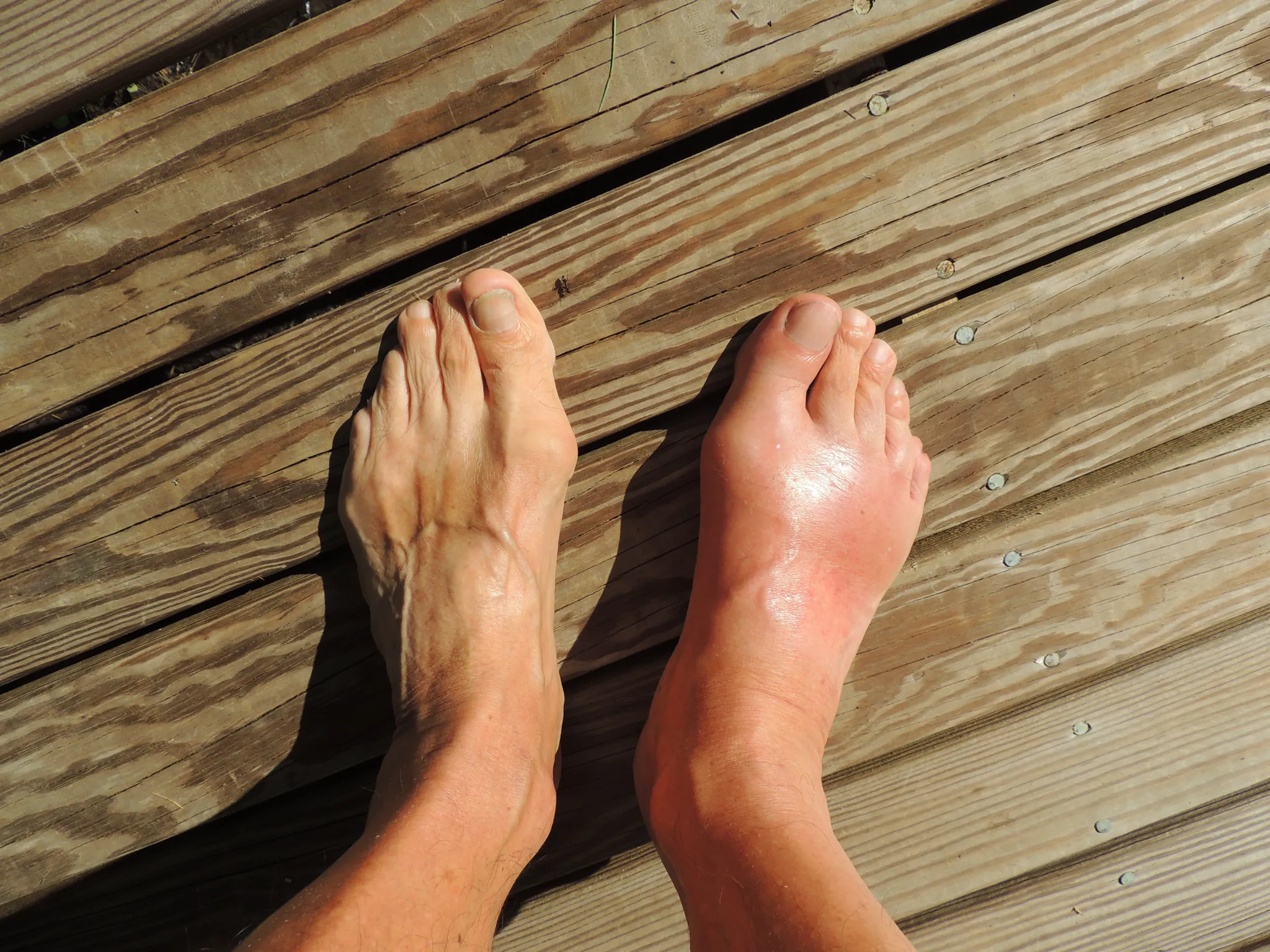
What Is Gout?
Gout is a common form of inflammatory arthritis caused by a buildup of uric acid in the blood. When uric acid levels become too high, sharp, needle-like urate crystals can form in a joint, triggering sudden and often severe episodes of pain, swelling, and redness — commonly known as a gout attack or flare.
The body naturally produces uric acid when it breaks down purines, substances found in the body as well as in certain foods and drinks. Normally, uric acid dissolves in the blood and passes out through the kidneys. But when the body produces too much uric acid, or the kidneys don't eliminate it efficiently, it can build up and form crystals.
Who Is at Risk?
Several factors increase the likelihood of developing gout:
- Diet high in purines — red meat, organ meats, and certain seafood such as shellfish, anchovies, and sardines
- Alcohol consumption — particularly beer, which is linked to a higher risk of gout
- Sugary drinks and foods — beverages high in fructose can raise uric acid levels
- Obesity — excess body weight increases uric acid production and makes it harder for the kidneys to eliminate it
- Certain medical conditions — high blood pressure, diabetes, and kidney disease
- Medications — particularly diuretics used to treat high blood pressure
- Family history — having a close relative with gout increases personal risk
- Sex and age — gout is more common in men, though the risk in women increases after menopause
Common Symptoms of a Gout Attack
Gout most often affects the joint at the base of the big toe, though it can occur in other joints such as the ankles, knees, elbows, wrists, and fingers. Typical symptoms include:
- Intense joint pain — often described as feeling like the joint is "on fire," frequently starting suddenly at night
- Swelling and redness — the affected joint becomes visibly inflamed
- Extreme tenderness — even light pressure, such as a bedsheet, can be painful
- Warmth — the joint may feel warm to the touch
- Lingering discomfort — after the most intense pain subsides, some joint discomfort may last for days to weeks
Gout can progress through several stages, from elevated uric acid with no symptoms, to acute flares, to periods without symptoms between attacks, and in severe long-term cases, to visible deposits called tophi that can permanently damage joints.
How Is Gout Diagnosed?
A doctor will typically review symptoms and medical history, and may order a blood test to measure uric acid levels. In some cases, fluid may be drawn from the affected joint to check for urate crystals under a microscope, which provides a definitive diagnosis.
How to Manage and Prevent Gout
- Adjust your diet
Limit high-purine foods like red meat, organ meats, and certain seafood, and reduce alcohol — especially beer. - Stay hydrated
Drinking plenty of fluids, especially water, can support kidney function and help the body eliminate uric acid. People with heart or kidney conditions should ask their doctor how much fluid is appropriate. - Maintain a healthy weight
Gradual, steady weight loss can help lower uric acid levels — but avoid rapid weight loss or fasting, which can temporarily raise uric acid and trigger flares. - Exercise regularly
Regular physical activity supports a healthy weight and overall metabolic health. - Take medication as prescribed
A doctor may recommend anti-inflammatory medication for an acute attack and long-term uric acid-lowering medicines such as allopurinol when appropriate. Do not start or adjust medication on your own, especially if you have kidney disease, stomach problems, use blood-thinning medication, or have other medical conditions.
When to See a Doctor
See a doctor promptly if you experience sudden, severe joint pain, especially if it's accompanied by swelling, redness, and warmth. Also seek medical advice if gout attacks become frequent, as untreated gout can lead to permanent joint damage, kidney stones, and other complications over time.
If you have a fever together with a hot, swollen, red joint or feel very unwell, seek medical evaluation promptly because a joint infection may cause similar symptoms and requires urgent treatment.
Key Takeaways
Gout is one of the most common forms of arthritis, but it is manageable with the right combination of dietary changes, lifestyle adjustments, and appropriate medication. If you experience symptoms of a gout attack, prompt treatment can ease pain and reduce the risk of future flares and long-term joint damage.
Prepared by: ผศ นพ ภราดร ว่องวิกย์การ
Sources
- National Institute of Arthritis and Musculoskeletal and Skin Diseases (NIAMS), NIH. Gout: Symptoms, Causes, & Risk Factors
- Mayo Clinic. Gout – Symptoms and Causes
- Cleveland Clinic. Gout: What It Is, Symptoms & Treatment