 TH
 EN
 CN
 JAP
 AR
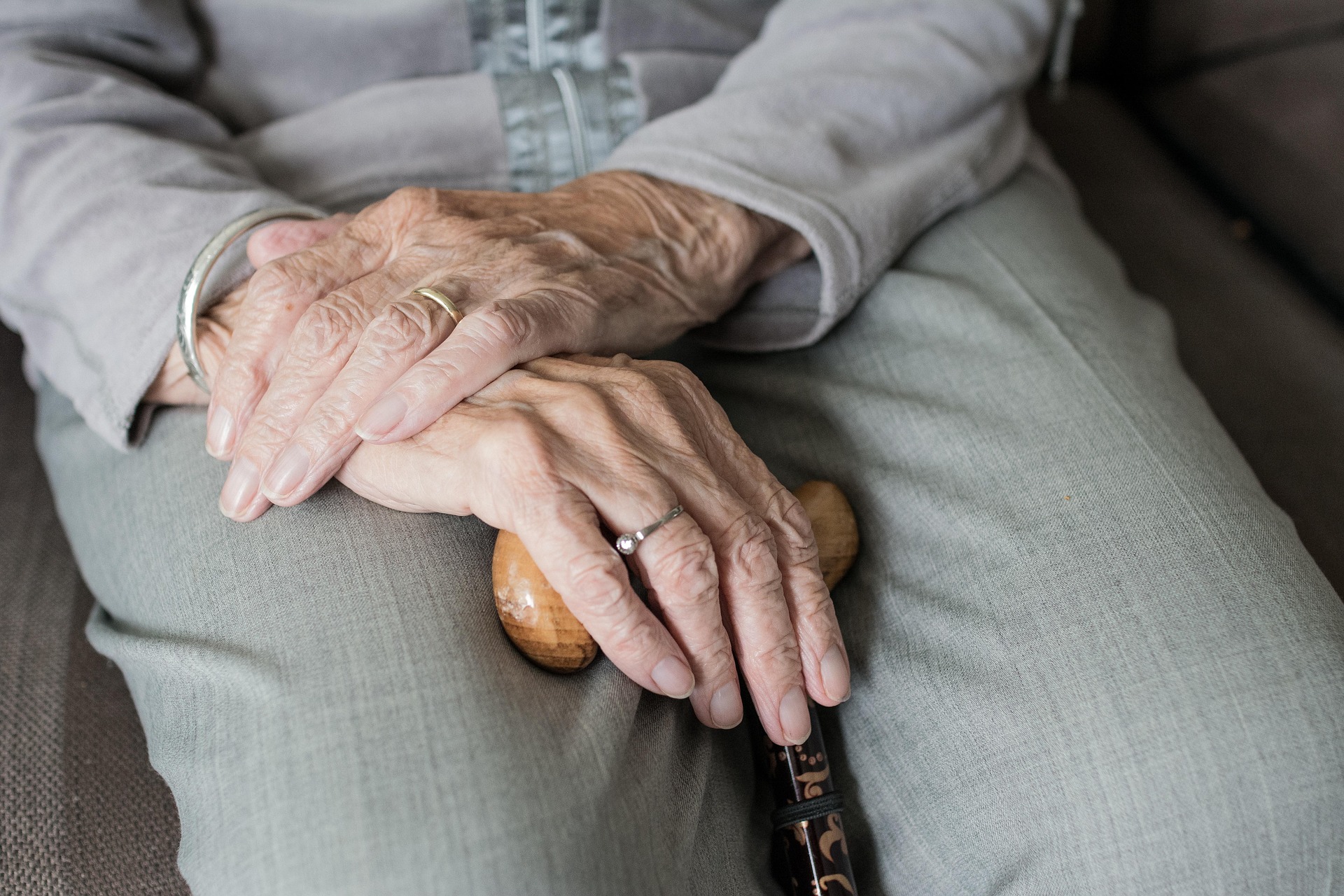
What Is Parkinson's Disease?
Parkinson's disease is a progressive disorder of the nervous system that primarily affects movement. It develops gradually, often starting with a barely noticeable tremor in one hand, and worsens over time. The condition occurs when certain nerve cells in a part of the brain called the basal ganglia become impaired or die. These cells normally produce dopamine, a chemical messenger that helps coordinate smooth, controlled movement — as dopamine levels drop, movement-related symptoms begin to appear.
The exact cause of Parkinson's disease remains unknown, but researchers believe it results from a combination of genetic and environmental factors. A small number of cases are linked to specific genetic mutations, and having a close relative with the disease may modestly increase risk. Exposure to certain toxins, such as some pesticides, and a history of head injury have also been associated with increased risk, while smoking and coffee or tea consumption have been linked to a reduced risk in some studies.
Early Signs of Parkinson's Disease
Symptoms often begin on one side of the body and may be so mild in the early stages that they go unnoticed for months or even years:
- Tremor — usually starting in a hand or fingers, appearing when the hand is at rest and easing when it's active
- Slowness of movement (bradykinesia) — perhaps the most significant early sign; simple tasks become slower and more difficult
- Muscle stiffness — rigidity in the arms or legs, often on the same side as the tremor
- Smaller handwriting — letters becoming smaller and more cramped together
- Reduced sense of smell — a loss of smell (anosmia) can sometimes appear years before other symptoms, though it has many other possible causes as well
As the disease progresses, additional symptoms may develop:
- Impaired posture and balance — a stooped posture or difficulty maintaining balance
- Loss of automatic movements — reduced blinking, smiling, or arm swinging while walking
- Speech changes — speaking more softly, quickly, or in a monotone
- Shuffling gait — walking with short, shuffling steps
Because Parkinson's shares symptoms with other conditions, a single symptom alone isn't enough for diagnosis — it's the combination and progression of several signs that typically raises suspicion.
How Is Parkinson's Disease Diagnosed?
There is no single definitive test for Parkinson's disease. Diagnosis is based primarily on a doctor's evaluation of symptoms, medical history, and a neurological exam. Imaging tests may be used to help rule out other conditions with similar symptoms. In some cases, a noticeable improvement in symptoms after starting Parkinson's medication can help confirm the diagnosis.
Treatment Options
While Parkinson's disease cannot currently be cured, various treatments can significantly improve quality of life and manage symptoms:
- Medication
Carbidopa-levodopa is the most effective medication for managing motor symptoms, helping replenish dopamine levels in the brain. Other medications, such as dopamine agonists, may also be used, particularly as the disease progresses. - Exercise and physical therapy
Regular physical activity, including a structured exercise program, can help improve fitness, muscle strength, flexibility, and balance, and is often recommended alongside medication. - Surgery
In select cases where medication becomes less effective, deep brain stimulation — a surgical procedure that regulates specific brain regions — may be considered to help control symptoms. - Supportive therapies
Speech therapy, occupational therapy, and support groups can help manage related symptoms and improve day-to-day functioning.
Living with Parkinson's Disease
Beyond movement-related symptoms, many people with Parkinson's also experience non-motor symptoms such as sleep disturbances, changes in mood, or difficulty with thinking and memory in more advanced stages. Depression and anxiety occur in more than a third of people with Parkinson's, so mental health support is an important part of overall care.
When to See a Doctor
Talk to a healthcare provider if you notice a persistent tremor, unusual stiffness, slowed movement, or other symptoms associated with Parkinson's disease — both to properly diagnose the condition and to rule out other causes with similar symptoms.
Key Takeaways
Parkinson's disease is a progressive condition, but with early diagnosis and the right combination of medication, exercise, and supportive care, many people are able to manage their symptoms effectively and maintain a good quality of life for years after diagnosis.
Prepared by: ภญ ปุณยนุช อังคะนาวิน
Sources
- National Institute on Aging (NIA), National Institutes of Health. Parkinson's Disease: Causes, Symptoms, and Treatments
- Mayo Clinic Health System. Early Symptoms of Parkinson's Disease
- Cleveland Clinic. Parkinson's Disease: What It Is, Symptoms & Treatment