 TH
 EN
 CN
 JAP
 AR
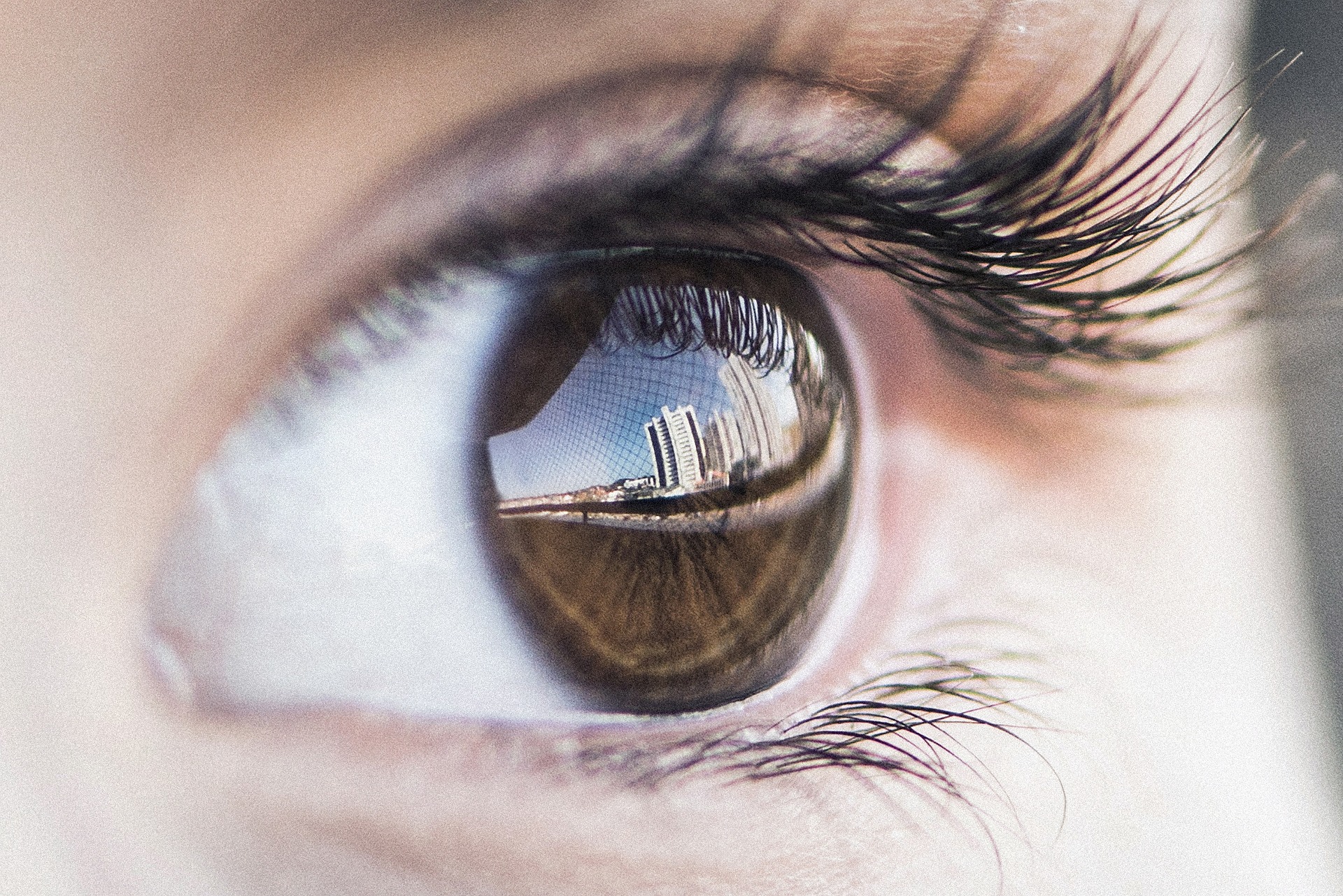
What Is a Cataract?
A cataract is a cloudy area that forms in the normally clear lens of the eye, causing vision to become blurred, hazy, or less colorful — similar to looking through a frosted window. Cataracts develop when proteins in the lens break down and clump together, most often as a natural part of the aging process.
Cataracts are extremely common. By age 80, most people either have a cataract or have already had cataract surgery, and cataracts remain the leading cause of blindness worldwide — largely because many people, especially in areas with limited access to eye care, don't receive treatment.
What Causes Cataracts?
While aging is the most significant factor, several things can contribute to or accelerate cataract formation:
- Aging — natural changes in the eye's lens over time are the most common cause
- Diabetes — people with diabetes are at higher risk of developing cataracts, often at a younger age
- Prolonged UV exposure — extended time in strong sunlight without eye protection can speed up lens clouding
- Smoking and excessive alcohol use — both are linked to an increased risk
- Long-term steroid use — certain medications, particularly long-term corticosteroid use, can increase risk
- Eye injury or previous eye surgery — trauma or prior surgery can contribute to cataract development
- Family history and genetics — some genetic conditions and family history can increase risk
- Other conditions — obesity and high blood pressure have also been associated with increased risk
Common Symptoms of Cataracts
Cataracts often develop slowly, and early on there may be no noticeable symptoms at all. As they progress, common signs include:
- Clouded, blurred, or dim vision — the most common and defining symptom
- Increasing difficulty with night vision — trouble driving or seeing clearly after dark
- Sensitivity to light and glare — headlights, lamps, or sunlight may seem too bright
- Seeing halos around lights — particularly noticeable at night
- Fading or yellowing of colors — colors may appear less vivid than before
- Frequent changes in eyeglass or contact lens prescription — vision may shift more often than usual
- Double vision in one eye — less common, but can occur
How Are Cataracts Diagnosed?
An eye doctor can diagnose a cataract through a comprehensive eye exam, which typically includes a visual acuity test and a slit-lamp examination that allows the doctor to closely examine the structures of the eye, including the lens, to check for clouding.
Treatment Options
- Updated glasses or contact lenses
In the early stages, a new eyeglass or contact lens prescription, along with better lighting, may be enough to manage mild symptoms. - Cataract surgery
Surgery is currently the only effective way to remove a cataract and restore clear vision. It's a common, generally safe, and highly effective outpatient procedure in which the clouded natural lens is removed and typically replaced with a clear artificial lens. - Monitoring
Since cataracts usually progress slowly, many people don't need to rush into surgery. An eye doctor can help track how quickly the cataract is developing and advise on the right time for surgery based on how much it's affecting daily life.
How to Help Protect Your Eyes
- Wear UV-protective sunglasses and a wide-brimmed hat when outdoors
- Manage underlying health conditions, such as diabetes and high blood pressure
- Avoid smoking and limit alcohol consumption
- Get regular eye exams, especially after age 40, to catch changes early
When to See a Doctor?
Schedule an eye exam if you notice blurred or cloudy vision, increasing difficulty seeing at night, or frequent changes in your glasses prescription. Seek prompt medical attention for sudden vision changes, double vision, sudden eye pain, or sudden severe headache, as these can signal a more urgent issue.
Key Takeaways
Cataracts are an extremely common part of aging, and while they can't be prevented entirely, cataract surgery is a safe and highly effective treatment that restores clear vision for the vast majority of people. If you notice changes in your vision, a comprehensive eye exam is the best first step toward maintaining healthy sight.
Prepared by: ภญ ปุณยนุช อังคะนาวิน
Sources
- National Eye Institute (NEI), National Institutes of Health. Cataracts
- Mayo Clinic Health System. Cataracts: What to Look For
- Cleveland Clinic. Cataracts: What They Are, Symptoms, Types & Treatment