 TH
 EN
 CN
 JAP
 AR
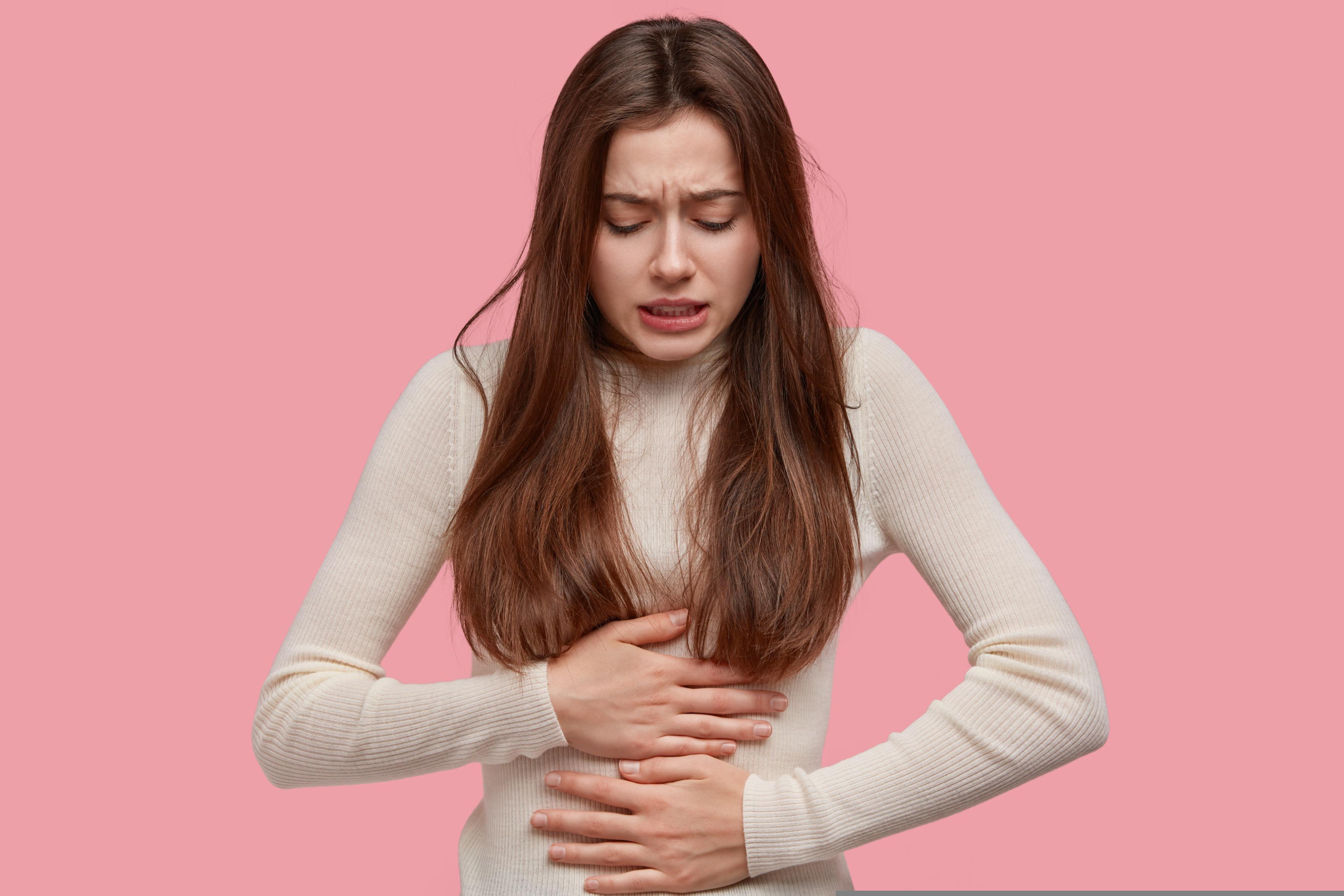
What Are Menstrual Cramps?
Menstrual cramps, or dysmenorrhea, refer to pain associated with menstruation. The pain usually occurs in the lower abdomen and is commonly described as cramping or tightening. Dysmenorrhea can be divided into two main types: primary dysmenorrhea and secondary dysmenorrhea.
Primary dysmenorrhea is menstrual pain that is not caused by a disease or abnormality of the reproductive organs. It often begins at a young age after menstruation starts, and symptoms usually occur around the beginning of the menstrual period.
Secondary dysmenorrhea is menstrual pain caused by a disease or abnormality of the reproductive organs. Symptoms may begin later in life, become progressively more severe over time, or last longer than typical menstrual cramps.
Causes of Menstrual Cramps
Primary dysmenorrhea is associated with substances called prostaglandins, which are produced in the lining of the uterus. During menstruation, prostaglandins stimulate the uterine muscles to contract and help expel the uterine lining. These contractions can cause pain or cramping in the lower abdomen.
Prostaglandin levels are usually highest at the beginning of menstruation and gradually decrease as the period continues. This is why menstrual pain is often most severe during the first day or two and then gradually improves.
Secondary dysmenorrhea may be associated with several gynecological diseases or conditions, including:
- Endometriosis: A condition in which tissue similar to the lining of the uterus grows outside the uterus. It may cause pelvic pain, particularly during menstruation.
- Adenomyosis: A condition in which tissue similar to the uterine lining grows into the muscular wall of the uterus. It may cause menstrual pain and heavier menstrual bleeding.
- Uterine fibroids: Noncancerous growths that develop in or around the uterus. In some people, they may cause menstrual pain or heavier-than-usual bleeding.
- Pelvic inflammatory disease: An infection involving the reproductive organs that may cause lower abdominal or pelvic pain along with other symptoms.
- Other conditions or abnormalities of the reproductive organs: These may cause new menstrual pain or make existing pain more severe.
Symptoms of Menstrual Cramps
The type and severity of symptoms vary from person to person. Common symptoms include:
- Cramping or tightening pain in the lower abdomen
- Aching or pressure in the lower abdomen
- Pain that radiates to the lower back or thighs
- Nausea or vomiting
- Diarrhea
- Headache
- Dizziness
- Fatigue or a general feeling of discomfort
In people with primary dysmenorrhea, symptoms usually begin shortly before or around the start of menstruation and gradually improve during the first few days of the period.
If the symptoms begin to differ from their usual pattern, become more severe, or last longer than before, another underlying cause should be considered.
When Should You See a Doctor for Menstrual Cramps?
Although menstrual cramps are common, the severity of the pain and its impact on daily life should be taken into consideration. If the pain is severe enough to regularly require time off from school or work or prevent normal activities, it should not simply be considered something that must be endured every month.
You should consult a doctor if you experience any of the following:
- Menstrual pain severe enough to interfere with daily activities
- Pain that has become noticeably more severe than before
- Symptoms that do not improve with basic care or pain medication used as recommended
- New severe menstrual pain when you did not previously experience it
- Fever together with menstrual pain
- Lower abdominal pain even when you are not menstruating
- Bleeding between periods or abnormal menstrual bleeding
- Pain during sexual intercourse
- Pain during urination or bowel movements, particularly when related to menstruation
These symptoms do not necessarily indicate a serious disease, but they should be evaluated to determine the cause and identify the most appropriate approach to care.
How Do Doctors Diagnose the Cause of Menstrual Cramps?
Diagnosis usually begins with a medical history. A doctor may ask about the menstrual cycle, the age at which the symptoms began, when the pain occurs, how long it lasts, its severity, the amount of menstrual bleeding, other associated symptoms, and how the pain affects daily activities.
A physical examination or pelvic examination may be performed when appropriate. If a disorder of the reproductive organs is suspected, an ultrasound may be considered to evaluate the uterus, ovaries, and other structures in the pelvic area.
In some cases, if the cause cannot be identified through the initial evaluation or a condition such as endometriosis is suspected, the doctor may consider additional tests depending on the individual patient's indications.
Treatment of Menstrual Cramps
Treatment depends on the cause and severity of the symptoms, as well as the individual's age, underlying medical conditions, current medications, and overall health.
Nonsteroidal anti-inflammatory drugs, or NSAIDs, such as ibuprofen and naproxen, are one group of medications used to relieve menstrual pain. These medicines reduce the production and effects of prostaglandins and may therefore help decrease uterine contractions and relieve pain.
However, NSAIDs are not suitable for everyone, particularly people with certain medical conditions, a history of drug allergies, or those taking certain medications. They should be used according to the instructions on the label or the advice of a doctor or pharmacist. The dose should not be increased, and multiple medications should not be combined without professional guidance.
For people with severe or recurrent menstrual pain, a doctor may consider hormonal treatment, such as hormonal contraceptive methods, which can help reduce menstrual pain in some individuals. The choice of hormonal treatment should be assessed by a doctor according to each person's circumstances.
If the menstrual pain is caused by a gynecological condition such as endometriosis, adenomyosis, or uterine fibroids, treatment will focus on the identified underlying condition and may differ from person to person.
Self-Care for Menstrual Cramps
For mild symptoms, several self-care measures may help reduce discomfort, including:
- Applying a warm compress to the lower abdomen or lower back
- Taking a warm bath to help the body relax
- Doing light exercise such as walking, swimming, cycling, or yoga as appropriate
- Getting adequate rest and sleep
- Practicing relaxing activities such as meditation or breathing exercises
- Keeping a record of the menstrual cycle, pain severity, and associated symptoms
Tracking symptoms during each menstrual cycle may make it easier to identify changes over time and can provide useful information when discussing the symptoms with a doctor.
Who Should Consult a Doctor or Healthcare Professional?
People with menstrual cramps should consult a doctor or healthcare professional if the pain is severe, occurs repeatedly, or has changed from the usual menstrual pattern. This is particularly important if the pain interferes with daily life, abnormal bleeding occurs, or pelvic pain is present outside the menstrual period.
In addition, people with underlying medical conditions, those who regularly take medications, those with a history of drug allergies, or anyone who is unsure which type of pain medication is appropriate should consult a doctor or pharmacist before taking medication. This can help reduce the risk of contraindications, drug interactions, or possible side effects.
Summary
Menstrual cramps are common and are often related to uterine contractions associated with prostaglandins. Symptoms usually occur shortly before or at the beginning of menstruation and gradually improve within a few days. Applying warmth, getting adequate rest, exercising appropriately, and using medication as recommended may help relieve symptoms.
However, menstrual pain that progressively becomes more severe, interferes with daily life, or occurs together with other abnormal symptoms should be medically evaluated. In some cases, menstrual pain may be associated with gynecological conditions that require appropriate treatment.
Prepared by: นพ. อรุณ รัตนปริคณน์
References
- American College of Obstetricians and Gynecologists (ACOG). Dysmenorrhea: Painful Periods
- National Health Service (NHS). Period pain
- MedlinePlus, U.S. National Library of Medicine. Period Pain