 TH
 EN
 CN
 JAP
 AR
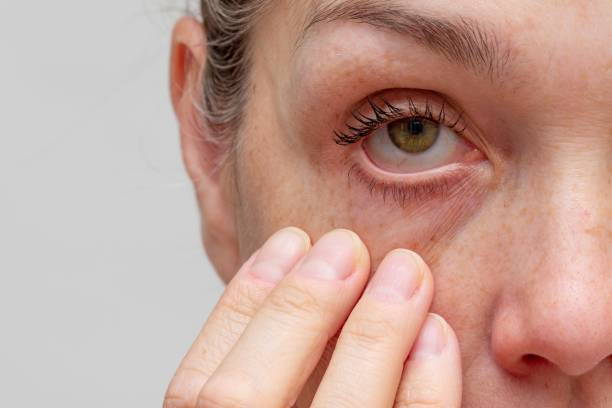
Burning, irritation, a gritty sensation in the eyes, or blurred vision after prolonged computer use may be signs of dry eye. This condition occurs when tears are unable to adequately lubricate the surface of the eyes.
Although dry eye can often be managed effectively, persistent or severe symptoms may interfere with reading, working, screen use, and other daily activities. In severe cases, untreated dry eye may also affect the surface of the cornea.
What Is Dry Eye?
Dry eye occurs when the eyes do not produce enough tears, when tears evaporate too quickly, or when the composition of the tears is unable to maintain adequate moisture on the surface of the eyes.
Tears do more than simply keep the eyes moist. They help maintain a smooth ocular surface, support clear vision, and protect the eyes from foreign particles and microorganisms. The tear film consists of several components, including an oily layer, an aqueous layer, and a mucus layer. These components work together to distribute tears across the eye surface and reduce evaporation.
When the composition or function of the tear film becomes abnormal, the tear film may become unstable. This can lead to irritation and inflammation of the ocular surface, resulting in symptoms of dry eye.
Causes and Risk Factors of Dry Eye
Dry eye is not caused only by insufficient tear production. Several factors may contribute to the condition. Two major mechanisms are decreased tear production and increased tear evaporation.
Decreased tear production becomes more common with age, particularly in people over 50. Certain medical conditions, including Sjögren syndrome, rheumatoid arthritis, lupus, thyroid disorders, and vitamin A deficiency, may also be associated with reduced tear production.
Certain medications may cause dry eye as a side effect, including antihistamines, decongestants, some antidepressants, and certain blood pressure medications. People who suspect that their dry eye symptoms are related to medication should not stop or change their medication on their own. They should consult a doctor or pharmacist.
Increased tear evaporation may be associated with dysfunction of the oil-producing glands along the eyelids. These glands produce the oily component of tears that helps slow evaporation. Environmental factors such as wind, smoke, dry air, and air conditioning may also increase tear evaporation.
Prolonged use of computers, smartphones, or tablets may contribute to worsening dry eye symptoms because people tend to blink less frequently when concentrating on a screen. Reduced blinking allows tears to evaporate more quickly from the surface of the eyes.
Other factors that may contribute to dry eye include contact lens use, hormonal changes, and a history of laser vision correction surgery.
Symptoms of Dry Eye to Watch For
Dry eye symptoms can vary from person to person and commonly affect both eyes. Possible symptoms include:
- Burning or stinging sensations in the eyes
- Irritation or a gritty, foreign-body sensation
- Eye redness
- Sensitivity to light
- Intermittent blurred vision
- Eye fatigue or discomfort after prolonged visual tasks
- Discomfort when wearing contact lenses
- Stringy mucus around the eyes
- Excessive tearing
Although the condition is called “dry eye,” some people may actually experience watery eyes. This happens because dryness and irritation of the eye surface can trigger reflex tearing. However, these tears may not provide effective or lasting lubrication.
Screen Use and Dry Eye
Using computers, smartphones, and tablets does not necessarily mean that everyone will develop dry eye. However, prolonged and uninterrupted screen use may trigger or worsen symptoms.
When concentrating on a screen, people may blink less frequently. This means that tears are not redistributed across the surface of the eyes as often as they normally would, allowing them to evaporate more quickly. The problem may be more noticeable when screens are used in air-conditioned rooms or when air blows directly toward the face.
Taking regular breaks, consciously blinking more often, and avoiding direct airflow from fans or air conditioners may help reduce factors that contribute to dry eye symptoms.
How Is Dry Eye Diagnosed?
Dry eye should not be diagnosed based on symptoms alone because irritation, redness, and blurred vision can also be caused by other eye conditions.
An ophthalmologist may begin by reviewing the patient’s symptoms, medical conditions, medications, contact lens use, and visual habits. The eyes and eyelids may then be examined.
Additional tests may include measuring tear production, evaluating how long the tear film remains stable after blinking using the Tear Break-Up Time (TBUT), and using special dyes to examine the surface of the cornea. In some cases, a Schirmer’s test may be performed to assess how much tear fluid the eyes produce.
The results of these examinations can help determine the characteristics and possible causes of dry eye and guide appropriate treatment.
Treatment for Dry Eye
Treatment depends on the underlying cause and severity of the condition. For people with mild symptoms, artificial tears are commonly used to increase lubrication and relieve discomfort.
However, artificial tears alone may not be sufficient for persistent or severe dry eye. Depending on the cause, an ophthalmologist may recommend treatment for dysfunction of the oil glands along the eyelids, prescription eye drops to reduce inflammation or increase tear production, or punctal plugs to help tears remain on the surface of the eyes for longer.
Because dry eye can have several underlying causes and treatment responses vary among individuals, treatment should be selected according to an ophthalmologist’s assessment.
Lifestyle Changes That May Help Reduce Dry Eye Symptoms
In addition to treatment recommended by healthcare professionals, certain lifestyle and environmental adjustments may help reduce tear evaporation and eye irritation:
- Take regular breaks when using screens or reading for long periods.
- Blink regularly, especially while working on a computer.
- Avoid direct airflow from fans, air conditioners, or hair dryers toward the eyes.
- Avoid cigarette smoke and smoky environments.
- Consider using a humidifier in very dry environments.
- Wear protective eyewear to reduce exposure to wind outdoors.
- Maintain proper eyelid hygiene as recommended by an ophthalmologist.
If contact lenses frequently cause dryness or irritation, consult an eye care professional to assess whether they remain appropriate.
If artificial tears are needed regularly, consult a pharmacist or ophthalmologist to select an appropriate product and determine how it should be used, particularly for people with existing eye conditions, those using other eye drops, or contact lens wearers.
When Should You See an Ophthalmologist?
You should consult an ophthalmologist if dry eye, redness, irritation, or eye pain persists, does not improve, or begins to interfere with work and everyday activities. Frequent blurred vision or persistent discomfort while wearing contact lenses should also be evaluated.
Seek prompt medical attention if you experience severe eye pain, a significant or sudden decrease in vision, unusually severe sensitivity to light, an eye injury, or chemical exposure to the eye. These symptoms may not be caused by dry eye alone and could indicate another eye condition requiring appropriate treatment.
Summary
Dry eye occurs when tears are unable to maintain adequate moisture and balance on the surface of the eyes. It may result from reduced tear production, excessive tear evaporation, dysfunction of the oil-producing glands in the eyelids, certain medical conditions or medications, as well as behavioral and environmental factors.
Taking regular visual breaks, reducing factors that accelerate tear evaporation, and practicing appropriate eye care may help relieve mild symptoms. However, persistent, severe, or vision-affecting symptoms should be evaluated by an ophthalmologist to identify the underlying cause and determine the appropriate treatment. Chronic symptoms should not be ignored without proper assessment.
Prepared by: Punyanooch Angkanawin, Pharm.D.
References
- National Eye Institute. Dry Eye
- National Eye Institute. Testing for Dry Eye
- Mayo Clinic. Dry Eyes – Symptoms and Causes