 TH
 EN
 CN
 JAP
 AR
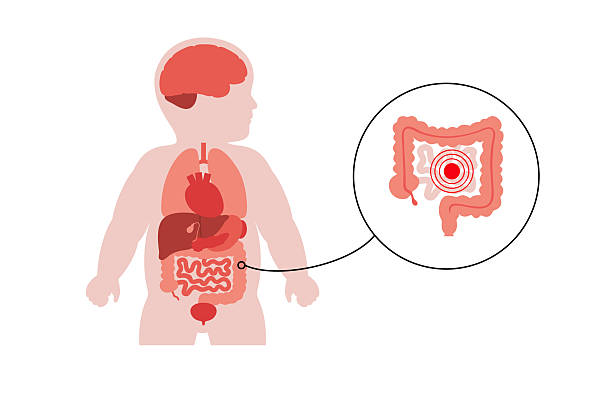
An infant who does not pass meconium within the first 48 hours after birth or develops abdominal swelling or green vomit may not simply have delayed bowel movements. These symptoms may indicate Hirschsprung disease, a congenital disorder affecting the nervous system of the intestine.
The condition prevents part of the intestine from contracting normally to move stool forward. As a result, stool accumulates inside the intestine and may cause bowel obstruction. Without appropriate diagnosis and treatment, a child may develop severe intestinal inflammation, which requires urgent medical attention.
What Is Hirschsprung Disease?
Hirschsprung disease is a congenital disorder caused by the absence of nerve cells known as ganglion cells in part of the intestinal wall. It most commonly affects the rectum and the lower portion of the large intestine. In some patients, however, the affected segment may be longer or may involve the entire colon.
Normally, nerve cells in the intestinal wall control the contraction and relaxation of intestinal muscles, allowing stool to move toward the anus. When part of the intestine lacks these nerve cells, the affected segment cannot relax or move stool normally. Stool then accumulates in the intestine above the affected area, causing constipation, abdominal swelling, and possibly bowel obstruction.
Hirschsprung disease affects approximately 1 in 5,000 newborns and is usually diagnosed during infancy or early childhood. However, people with only a short affected segment may have less severe symptoms and may not be diagnosed until later in life.
How Does Hirschsprung Disease Develop?
Hirschsprung disease develops while a baby is growing in the womb. It occurs when the nerve cells that should develop within the intestinal wall do not form completely, leaving part of the intestine without the nerves needed to control its movement.
The reason this process is disrupted is not fully understood in every patient, but genetic factors may play a role. Children with a family history of Hirschsprung disease may have an increased risk. The condition may also occur alongside certain genetic disorders, including Down syndrome.
Short-segment Hirschsprung disease is more common in boys than in girls. However, the condition can affect children of any sex. It is not caused by food, behavior, or anything the parents did or did not do during pregnancy.
Symptoms of Hirschsprung Disease
Symptoms of Hirschsprung disease can vary depending on the child’s age and the length of the intestine that lacks nerve cells. Children with a longer affected segment generally develop symptoms earlier and may have more severe symptoms.
The most important sign in a newborn is failure to pass meconium within 48 hours after birth. The infant may also develop abdominal swelling, refuse to feed, vomit, or produce green vomit containing bile. These symptoms may indicate bowel obstruction and should be evaluated promptly by a doctor.
In older infants and young children, symptoms may include chronic constipation, abdominal swelling, abdominal pain, poor appetite, slow weight gain, or impaired growth. Some children may have experienced severe constipation since infancy that does not improve with standard constipation care.
Although failure to pass meconium within 48 hours is an important warning sign, some infants with Hirschsprung disease may still pass meconium during this period. Therefore, persistent abdominal swelling, vomiting, or abnormal bowel movements should still be evaluated by a doctor.
Important Complications
A major complication is Hirschsprung-associated enterocolitis, which can occur either before or after surgery.
Children with this complication may develop fever, severe abdominal swelling, diarrhea or unusually foul-smelling stool, vomiting, lethargy, refusal to eat, or signs of dehydration. Hirschsprung-associated enterocolitis can become severe and life-threatening, requiring immediate treatment in a hospital.
Prolonged stool accumulation may also cause enlargement of the intestine, bowel obstruction, or, in severe cases, intestinal perforation.
When Should a Child Be Taken to the Hospital Immediately?
A child should be taken to the hospital immediately if they develop fever with abdominal swelling, rapidly increasing abdominal distension, green vomit or persistent vomiting, severe diarrhea, unusually foul-smelling stool, or blood in the stool.
Other warning signs include being unable to pass stool or gas, lethargy, weakness, refusal to drink milk or eat, reduced urination, dry mouth, rapid breathing, or cold skin. Particular attention is required in children who have already been diagnosed with Hirschsprung disease or undergone surgery for the condition.
These symptoms may indicate bowel obstruction or severe intestinal inflammation. Caregivers should not wait for the symptoms to resolve or perform rectal irrigation without medical guidance.
How Is Hirschsprung Disease Diagnosed?
The doctor will begin by asking about the passage of meconium after birth, bowel movement patterns, abdominal swelling, vomiting, feeding, growth, and any family history of the condition. A physical examination and additional tests may then be performed.
A contrast enema can help show the shape of the colon and identify areas that may be abnormal. Anorectal manometry may also be used to assess muscle function and reflexes in the rectum and anus.
The main test used to confirm Hirschsprung disease is a rectal biopsy. During this procedure, a small tissue sample is taken from the rectum and examined under a microscope. The absence of ganglion cells in the intestinal wall supports the diagnosis of Hirschsprung disease.
Treatment for Hirschsprung Disease
The primary treatment for Hirschsprung disease is surgery to remove the segment of the intestine that lacks nerve cells. The healthy, normally functioning intestine is then connected to the rectum or anus. This operation is called a pull-through procedure.
Some children may require treatment to remove accumulated stool and relieve pressure in the intestine before surgery. If a child is dehydrated or unable to eat, the doctor may provide intravenous fluids and other supportive care as appropriate.
If the child has severe enterocolitis, an enlarged intestine, intestinal perforation, or a large affected segment, the doctor may recommend creating an opening in the abdomen known as an ostomy. This allows stool to leave the body through the abdominal opening. Further surgery may be considered after the child’s condition and intestinal health have improved.
The most appropriate treatment depends on the length of the affected intestine, symptom severity, complications, the child’s age, overall health, and the pediatric surgeon’s clinical judgment.
Care After Surgery
Most children improve after surgery. However, some may continue to experience constipation, abdominal swelling, difficulty controlling bowel movements, stool leakage, or Hirschsprung-associated enterocolitis. Regular follow-up care is therefore important.
Caregivers should monitor how often the child passes stool and note any changes in its appearance. They should also watch for fever, abdominal swelling, vomiting, or abnormal diarrhea. If the child has frequent bowel movements after surgery, the skin around the anus should be protected from irritation according to the healthcare team’s recommendations.
If the child has an ostomy, caregivers should learn how to manage the ostomy pouch and care for the surrounding skin from a specialist nurse. Laxatives, rectal irrigation, or changes to the treatment plan should not be used without medical advice.
Most children may not need a special diet after treatment. However, if constipation, bowel-control problems, or poor growth continues, a doctor or dietitian may recommend dietary adjustments based on the child’s individual needs.
Summary
Hirschsprung disease is a congenital disorder in which part of the intestine lacks the nerve cells needed to control bowel movements. As a result, stool cannot move through the intestine normally. Important symptoms include failure to pass meconium within 48 hours after birth, abdominal swelling, vomiting, and severe chronic constipation.
Prompt diagnosis and appropriate surgery can help most children improve. However, long-term follow-up remains important. If a child develops fever with abdominal swelling, green vomit, abnormal diarrhea, or lethargy, they should be taken to the hospital immediately.
Prepared by: ภญ. ปุณยนุช อังคะนาวิน
References
- National Institute of Diabetes and Digestive and Kidney Diseases. Hirschsprung Disease
- NHS. Hirschsprung’s Disease
- MedlinePlus Genetics. Hirschsprung Disease