 TH
 EN
 CN
 JAP
 AR
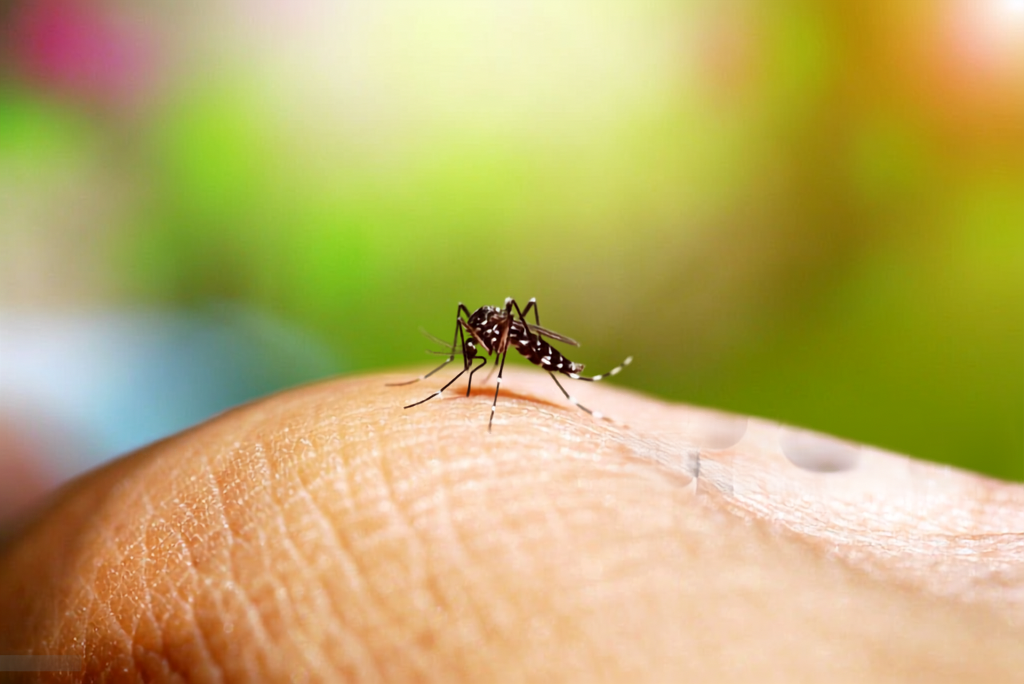
A fever that seems like a common viral illness at first can sometimes be accompanied by severe joint pain that lasts much longer than expected. Chikungunya is a mosquito-borne viral infection known for causing sudden fever and significant joint pain, which can sometimes interfere with walking, working, and everyday activities.
Most people recover from the acute illness, but joint pain may persist for several weeks or months, and in some cases even longer. Early symptoms can also resemble dengue and other mosquito-borne infections, making it difficult to identify the illness based on symptoms alone.
What Is Chikungunya?
Chikungunya is caused by the chikungunya virus (CHIKV), which belongs to the Alphavirus genus. The virus is transmitted to humans mainly through the bites of infected Aedes aegypti and Aedes albopictus mosquitoes. These mosquito species can also transmit other infections, including dengue and Zika virus.
Aedes mosquitoes are most active during the daytime and can be found both indoors and around homes. They commonly breed in containers and other areas where standing water collects.
After a person is bitten by an infected mosquito, symptoms usually develop within several days. The incubation period is typically around 4–8 days, although it may range from 2–12 days.
How Chikungunya Is Transmitted
The main cycle of chikungunya transmission involves humans and mosquitoes.
When an Aedes mosquito bites a person who has the virus circulating in their blood, the mosquito may become infected. After the virus multiplies inside the mosquito, it can be transmitted to another person when the mosquito bites again.
For this reason, people with suspected or confirmed chikungunya should take extra precautions to avoid mosquito bites, particularly during the first week of illness. This helps reduce the chance that mosquitoes will acquire the virus and spread it to other people.
Symptoms to Watch For
The symptoms of chikungunya can vary from person to person, but sudden fever and joint pain are among its most characteristic features.
Joint pain may affect several joints at the same time, particularly the wrists, ankles, fingers, toes, and knees. Some people may also develop joint swelling or stiffness. Other symptoms can include headache, muscle pain, skin rash, fatigue, and nausea.
Most people begin to feel better within about a week. However, joint pain may continue after other symptoms have improved. In some people, particularly older adults, joint discomfort may persist for months or become chronic.
Although severe complications are uncommon, newborns, older adults, and people with underlying medical conditions such as diabetes, high blood pressure, or heart disease may have a greater risk of developing more serious illness.
Chikungunya and Dengue Can Look Similar
Chikungunya and dengue are both transmitted by Aedes mosquitoes and can cause similar symptoms, including fever, headache, muscle aches, and skin rash.
Severe joint pain is particularly common in chikungunya, but this symptom alone cannot reliably distinguish chikungunya from dengue or other infections. The symptoms of mosquito-borne diseases can overlap, and more than one infection may circulate in the same area.
This distinction is especially important when choosing medicines for fever or pain. Until dengue has been ruled out, aspirin and nonsteroidal anti-inflammatory drugs (NSAIDs), such as ibuprofen, should generally be avoided because they may increase the risk of bleeding in people with dengue.
When Should You See a Doctor?
You should seek medical evaluation if you develop a sudden fever accompanied by severe joint pain, especially if you live in or have traveled to an area with mosquito-borne disease transmission.
Seek immediate medical care if you or someone else experiences severe or warning symptoms, such as:
- Rapid worsening of overall condition
- Confusion, extreme drowsiness, or loss of consciousness
- Seizures
- Difficulty breathing or chest pain
- Persistent vomiting or inability to keep fluids down
- Unusual bleeding (such as nosebleeds, vomiting blood, or black stools)
- Signs of severe dehydration or dizziness when standing
Infants, elderly individuals, pregnant women, and people with pre-existing health conditions should be evaluated by a healthcare professional promptly if chikungunya or dengue is suspected.
Diagnosis and Treatment
Doctors diagnose chikungunya based on clinical symptoms, travel history, mosquito exposure, and blood tests (such as RT-PCR in the early stage or antibody testing in later stages).
There is currently no specific antiviral treatment for chikungunya. Treatment focuses on relieving symptoms, including getting adequate rest, staying well-hydrated, and using paracetamol (acetaminophen) for fever and pain relief.
Avoid taking aspirin or NSAIDs like ibuprofen until a healthcare provider has ruled out dengue infection.
Prevention
The primary way to prevent chikungunya is by preventing mosquito bites and eliminating mosquito breeding sites:
- Remove standing water in and around the home.
- Keep water containers tightly covered.
- Change water in vases and pet bowls regularly.
- Wear long-sleeved shirts and long pants when outdoors.
- Use insect repellent as directed.
- Use window screens or bed nets to prevent mosquitoes from entering living spaces.
Summary
Chikungunya is a mosquito-borne viral infection characterized by fever and significant joint pain. Early symptoms can closely resemble dengue. Prevent mosquito bites, avoid NSAIDs until dengue is ruled out, and consult a doctor if severe symptoms or risk factors are present.
Prepared by: Pharm. Punyanuch Angkanawin
References
- World Health Organization (WHO). Chikungunya
- Centers for Disease Control and Prevention (CDC). Symptoms of Chikungunya
- Department of Disease Control, Ministry of Public Health, Thailand. Chikungunya Fever