 TH
 EN
 CN
 JAP
 AR
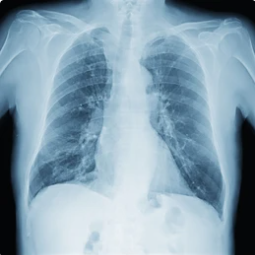
Feeling unusually tired after walking quickly, needing to stop while climbing stairs, or noticing that everyday activities have become harder than before can sometimes seem like a simple sign of being out of shape or not getting enough rest.
However, if these symptoms become more frequent—especially when accompanied by shortness of breath, palpitations, dizziness, or swelling in the legs—they may be related to a heart or lung condition that needs further evaluation. One condition doctors may consider is pulmonary hypertension (PH).
Despite its name, pulmonary hypertension is not the same as the high blood pressure measured with a cuff around your arm.
Pulmonary Hypertension: What It Is, Why It Causes Shortness of Breath, and Symptoms to Watch For
What Is Pulmonary Hypertension?
Pulmonary hypertension is a condition in which the pressure inside the blood vessels that carry blood from the heart to the lungs becomes abnormally high.
According to the European Society of Cardiology (ESC) and European Respiratory Society (ERS), pulmonary hypertension is defined as a mean pulmonary arterial pressure, or mPAP, greater than 20 mmHg at rest. This pressure is confirmed using a procedure called right heart catheterization.
To understand what happens, imagine the heart trying to pump blood through a pathway that has become harder to push through. The right side of the heart must work harder to move blood into the lungs.
Over time, this extra workload may cause the right side of the heart to become strained and weaker. In severe cases, it can contribute to right-sided heart failure.
It is also important to understand that pulmonary hypertension (PH) and pulmonary arterial hypertension (PAH) are not the same thing.
PH is a broad term covering several conditions that cause increased pressure in the pulmonary circulation. PAH is only one specific group of pulmonary hypertension and mainly involves abnormalities in the small arteries within the lungs.
Why Can Pulmonary Hypertension Make You Feel Tired or Short of Breath?
The lungs are responsible for bringing oxygen into the bloodstream, while the right side of the heart pumps blood toward the lungs.
When resistance inside the pulmonary blood vessels increases, the heart has to work harder to move blood through the lungs.
In the early stages, some people may still be able to carry out normal daily activities and notice symptoms only during physical effort, such as walking quickly, climbing stairs, or exercising.
As the condition progresses, a person may find that they can do less than before or become short of breath during activities that previously felt easy.
Symptoms and severity vary from person to person and depend on the underlying cause, existing health conditions, and how well the heart and lungs are functioning.
What Causes Pulmonary Hypertension?
Pulmonary hypertension does not have one single cause. Doctors divide it into five main groups because the underlying cause affects how the condition is treated.
1. Pulmonary Arterial Hypertension (PAH)
PAH occurs when the small arteries in the lungs become abnormal, making it more difficult for blood to flow through them.
It may be associated with conditions such as:
- PAH with no identifiable cause
- Certain inherited or genetic conditions
- Connective tissue diseases such as systemic sclerosis
- Certain congenital heart diseases
- Portal hypertension associated with liver disease
- HIV infection
- Certain medicines or substances
2. Pulmonary Hypertension Caused by Left-Sided Heart Disease
When the left side of the heart does not function normally, increased pressure can be transmitted backward into the blood vessels of the lungs.
Associated conditions may include:
- Heart failure
- Left ventricular dysfunction
- Heart valve disease
- Problems with the heart muscle relaxing properly
3. Pulmonary Hypertension Associated With Lung Disease or Low Oxygen Levels
Some chronic lung diseases can affect the blood vessels in the lungs and increase pulmonary pressure.
Examples include:
- Chronic obstructive pulmonary disease (COPD)
- Interstitial lung disease
- Other chronic lung conditions
- Conditions that cause long-term low oxygen levels in the blood
4. Chronic Blood Clots in the Lungs
In some people, blood clots and scar-like tissue may remain inside the pulmonary arteries, making it more difficult for blood to flow through them.
This condition is called chronic thromboembolic pulmonary hypertension (CTEPH).
People who have previously had a pulmonary embolism and continue to experience unexplained shortness of breath after treatment should speak with their doctor about whether further evaluation is needed.
5. Pulmonary Hypertension With Complex or Multiple Causes
Some forms of pulmonary hypertension cannot be explained by a single mechanism.
They may be associated with certain systemic diseases, blood disorders, or metabolic conditions.
Identifying the underlying cause is important because treatment can differ significantly between the different groups.
What Symptoms Should You Watch For?
One reason pulmonary hypertension can be difficult to recognize is that its symptoms may resemble those of many other heart and lung conditions.
Possible symptoms include:
- Shortness of breath, especially during physical activity
- Fatigue or lack of energy
- Dizziness or lightheadedness
- Fainting or feeling close to fainting, particularly during exertion
- Chest pain or tightness
- Palpitations
- Swelling of the feet, ankles, or legs
- Abdominal swelling caused by fluid buildup
- Reduced ability to exercise or perform normal daily activities
Some people may also experience coughing, hoarseness, or coughing up blood, although these symptoms do not occur in everyone.
Importantly, symptoms alone cannot confirm pulmonary hypertension. If symptoms persist or gradually worsen, medical evaluation is needed to determine the actual cause.
When Should You Seek Urgent Medical Care?
Some symptoms may be associated with a medical emergency, whether they are caused by pulmonary hypertension or another serious condition.
Seek urgent medical attention if you experience:
- Severe or sudden difficulty breathing
- Severe chest pain or tightness with shortness of breath
- Fainting or near-fainting
- Bluish lips or fingertips together with breathing difficulty
- Severe palpitations accompanied by chest pain, dizziness, or shortness of breath
- Coughing up a large amount of blood or rapidly worsening symptoms
These symptoms may also occur with other emergencies, such as pulmonary embolism or acute heart problems, so they should not be managed by simply waiting for them to improve.
Who Should Pay Extra Attention to Unexplained Shortness of Breath?
Having one of the following conditions does not mean that someone will automatically develop pulmonary hypertension.
However, unexplained or worsening breathlessness may deserve further evaluation, particularly in people who have:
- Heart disease or heart failure
- Heart valve disease
- Chronic lung disease
- Certain connective tissue diseases
- Certain congenital heart conditions
- A history of pulmonary embolism
- Conditions that cause long-term low oxygen levels
It can also be helpful to notice changes from your own usual level of activity—for example, if you used to walk comfortably but now become tired more easily or are gradually able to do less.
How Is Pulmonary Hypertension Diagnosed?
Because the symptoms are not specific to pulmonary hypertension, doctors usually use several types of information and tests together rather than diagnosing the condition based on breathlessness alone.
Evaluation may begin with a medical history, physical examination, and review of existing health conditions.
Additional tests may include:
- Echocardiogram: An ultrasound scan of the heart that helps assess its structure and function and may identify signs suggesting increased pressure in the pulmonary circulation.
- Electrocardiogram (ECG): A test that records the electrical activity of the heart and may show changes related to increased strain on the right side of the heart.
- Chest imaging: Tests such as a chest X-ray or other imaging studies may help evaluate the heart, pulmonary blood vessels, and possible lung disease.
- Pulmonary function tests: These tests assess how well the lungs are working and may help identify an underlying lung condition.
- Blood tests: Blood tests may be used to look for related conditions and assess the function of certain organs.
Some patients may also need additional testing to check for chronic blood clots in the pulmonary arteries.
The test used to confirm and classify pulmonary hypertension is right heart catheterization, which directly measures pressures inside the heart and pulmonary arteries. This procedure is performed when medically indicated and under the care of an experienced medical team.
Treatment Depends on the Cause
Pulmonary hypertension includes several different disease groups, so seeing “PH” on a medical report does not mean that every patient will receive the same treatment.
Doctors consider the underlying cause, type of pulmonary hypertension, severity, heart function, other medical conditions, and test results before deciding on treatment.
Treatment may include:
- Treating the underlying condition: If pulmonary hypertension is related to heart disease, lung disease, or another medical condition, managing the underlying cause is an important part of treatment.
- Medications targeting the pulmonary blood vessels: Some people with pulmonary arterial hypertension may receive medications that act on the blood vessels in the lungs. The choice of medication and whether several treatments are used together should be decided by a specialist. (Medicines used for PAH are not appropriate for every type of pulmonary hypertension, so they should not be started without medical supervision.)
- Diuretics: These medicines may be used in some patients who have fluid retention, leg swelling, or symptoms related to right-sided heart dysfunction.
- Oxygen therapy: People with low blood oxygen levels may need supplemental oxygen when medically indicated.
- Treatment for CTEPH: Some patients with chronic thromboembolic pulmonary hypertension may be treated with surgery, catheter-based procedures, medications, or a combination of approaches depending on their condition. Because the management of CTEPH differs from other types of pulmonary hypertension, evaluation by an experienced specialist team is important.
In some patients with severe disease that does not respond adequately to other treatments, advanced therapies or lung transplantation may be considered.
How Can You Take Care of Yourself After Diagnosis?
Along with medical treatment, monitoring changes in symptoms and following the treatment plan are important parts of living with pulmonary hypertension.
General measures may include:
- Take medicines exactly as prescribed and do not stop or change the dose on your own
- Pay attention to whether shortness of breath is getting worse
- Watch for swelling in the legs, feet, or abdomen
- Notice unusual weight gain or reduced ability to perform daily activities
- Limit salt or sodium if advised by your doctor, especially if you have fluid retention
- Avoid smoking
- Exercise at an appropriate level if your healthcare team has confirmed that it is safe
- Avoid pushing yourself through severe breathlessness, chest tightness, or dizziness
- Tell your doctor or pharmacist before starting additional medicines, supplements, or herbal products
People with more severe disease who are planning air travel, visiting high-altitude areas, or taking part in activities where oxygen levels may be lower should discuss this with their healthcare team in advance.
For women with PAH or certain forms of pulmonary hypertension, pregnancy may carry significant risks for both the mother and the baby. Anyone considering pregnancy should discuss their individual risks with the medical team managing their condition.
When Should You See a Doctor?
Medical evaluation is recommended if you develop new symptoms or notice that they are gradually becoming worse, including:
- Unexplained shortness of breath or fatigue
- Gradually reduced ability to exercise or perform daily activities
- Dizziness or fainting during physical activity
- Recurrent chest pain or palpitations
- Unexplained swelling in the feet or legs
- Persistent shortness of breath after a previous pulmonary embolism
- Increasing breathlessness in someone who already has heart or lung disease
People who have already been diagnosed with pulmonary hypertension should continue attending follow-up appointments even when symptoms appear stable. Regular follow-up allows the healthcare team to monitor heart and lung function and adjust treatment when necessary.
Summary
Pulmonary hypertension is not the same as ordinary high blood pressure. It is a condition in which pressure within the blood vessels of the lungs becomes abnormally high, placing extra strain on the right side of the heart.
It can develop from several different causes, including abnormalities of the pulmonary arteries, heart disease, lung disease, and chronic blood clots. For this reason, there is no single treatment that is appropriate for everyone.
Symptoms such as shortness of breath, fatigue, palpitations, dizziness, chest discomfort, and leg swelling may occur in pulmonary hypertension, but these symptoms can also occur in many other conditions.
If symptoms persist or your ability to carry out normal activities continues to decline, medical evaluation can help identify the cause.
Severe breathing difficulty, severe chest pain, or fainting requires urgent medical attention.
Prepared by: Punyanuch Angkanawin, Pharm.D.
References
- European Society of Cardiology (ESC) / European Respiratory Society (ERS). 2022 ESC/ERS Guidelines for the Diagnosis and Treatment of Pulmonary Hypertension. ESC/ERS Pulmonary Hypertension Guidelines
- National Heart, Lung, and Blood Institute (NHLBI). Pulmonary Hypertension. NHLBI – Pulmonary Hypertension
- National Health Service (NHS). Pulmonary Hypertension. NHS – Pulmonary Hypertension