 TH
 EN
 CN
 JAP
 AR
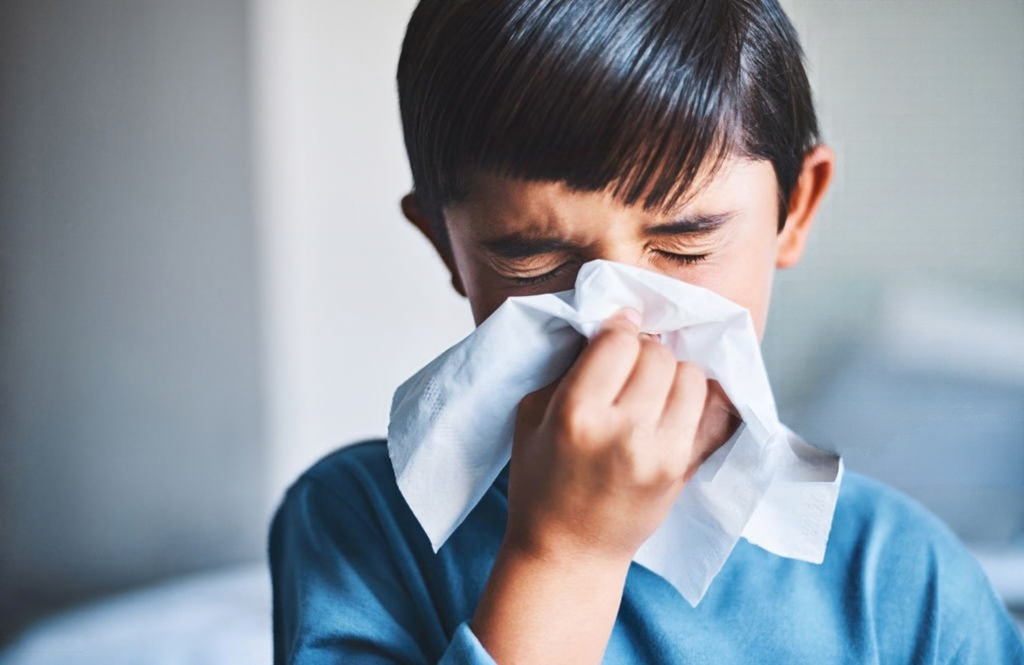
If you repeatedly sneeze or have an itchy, runny, or blocked nose—especially after cleaning your home or being exposed to dust—your symptoms may be related to allergic rhinitis. Although the condition is usually not serious, frequent symptoms can disrupt sleep, school, and work. Knowing what triggers your symptoms can help you manage them more effectively.
What Is Allergic Rhinitis?
Allergic rhinitis occurs when the lining of the nose reacts to an allergen, such as dust mites, pollen, or substances from pets. It can cause sneezing, an itchy nose, a runny nose, and nasal congestion. Some people have symptoms only when exposed to a trigger, while others experience them throughout the year.
Its symptoms can resemble a cold, but allergic rhinitis is not caused by a viral infection and does not spread from person to person.
Symptoms to Look For
Common symptoms include:
- Frequent sneezing, especially after exposure to a trigger
- An itchy nose, clear nasal discharge, or a blocked nose
- Itchy, red, or watery eyes
- An itchy roof of the mouth or throat
- Coughing or a sensation of mucus draining down the throat
- Poor sleep or tiredness caused by nasal congestion
Allergic rhinitis generally does not cause a fever. If you have a fever, body aches, or symptoms that differ from your usual pattern, consult a healthcare professional, as there may be another cause.
Causes and Triggers
Symptoms occur when the immune system reacts to an allergen. Common allergens include dust mites in bedding and carpets, pollen, mold, and substances from pets. People with a family history of allergies, asthma, or eczema may be more likely to develop allergies.
Cigarette smoke and strong odors can make nasal symptoms worse. However, irritation from these substances alone does not necessarily mean the condition is allergic rhinitis.
How Is It Diagnosed?
A doctor will ask about your symptoms, when they occur, and possible triggers, then perform a physical examination. If the cause remains unclear or symptoms significantly affect daily life, the doctor may consider a skin or blood allergy test.
Treatment and Care
Care usually involves reducing exposure to triggers and using medication to control symptoms. Treatment may include antihistamines or corticosteroid nasal sprays. For some people whose symptoms are severe or difficult to control, a doctor may consider allergen immunotherapy.
The most suitable approach depends on how often symptoms occur, their severity, age, existing health conditions, current medications, and a doctor’s or pharmacist’s assessment. If you are pregnant, caring for a young child, or have an existing health condition, consult a healthcare professional before choosing a medication.
Basic Self-Care
- Keep track of when symptoms flare up and what you were exposed to beforehand to help identify triggers.
- Wash bedding and clean areas where dust tends to accumulate regularly.
- Reduce exposure to allergens you know affect you where possible.
- Avoid cigarette smoke and strong odors if they worsen your symptoms.
- If you use a saline nasal rinse, use clean equipment and safe water as advised by a healthcare professional.
These steps may help reduce symptoms, but they cannot guarantee that symptoms will be prevented entirely.
When to See a Doctor
See a doctor if symptoms disrupt your sleep, school, or work; recur frequently; do not improve with basic care; or you are unsure whether allergies or another condition are causing them. People with asthma, nasal polyps, or recurring sinus problems should also seek an assessment.
If you have significant difficulty breathing or signs of a severe allergic reaction, such as swelling of the lips, tongue, or throat, go to a hospital immediately.
Summary
Allergic rhinitis commonly causes sneezing, an itchy nose, clear nasal discharge, and nasal congestion. Identifying triggers, reducing exposure, and choosing suitable treatment can help control symptoms. If symptoms recur frequently, affect daily life, or change from your usual pattern, consult a doctor or pharmacist.
Prepared by: ภญ. ปุณยนุช อังคะนาวิน
References
- NHS. Allergic rhinitis
- American Academy of Allergy, Asthma & Immunology. Hay Fever / Rhinitis
- Mayo Clinic. Hay fever: Diagnosis and treatment