 TH
 EN
 CN
 JAP
 AR
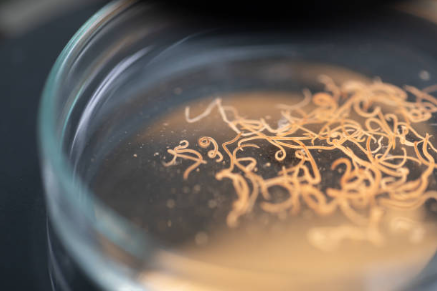
What Are Parasitic Infections Transmitted Through Water or Soil?
Parasitic infections are caused by organisms that live in or on another organism and obtain nutrients from their host. Parasites associated with water and soil include several different types, each with its own life cycle and route of transmission.
One important group is soil-transmitted helminths, which include roundworms, whipworms, and hookworms. These parasites are more commonly found in warm and humid environments, particularly in areas where soil may be contaminated with human feces.
Roundworms and whipworms usually enter the body when a person ingests parasite eggs that contaminate the hands, food, vegetables, or water. Hookworm larvae, on the other hand, can penetrate the skin directly, particularly when a person walks barefoot on contaminated soil.
There are also parasites that can be transmitted through water, such as Giardia, a microscopic parasite that causes gastrointestinal infection. People can become infected by drinking or accidentally swallowing contaminated water.
Another example is Schistosoma, or blood flukes, which are found in certain parts of the world. The larvae can penetrate the skin when a person comes into contact with contaminated freshwater, making the route of infection different from many parasites that are transmitted through ingestion.
Why Are Parasitic Infections Important?
Some people with parasitic infections may have no noticeable symptoms, particularly when the number of parasites in the body is low. As a result, they may not be aware that they are infected.
When the parasite burden is high or the infection becomes chronic, it may affect the digestive system, nutritional status, and overall health. Possible symptoms include abdominal pain, diarrhea, loss of appetite, unexplained weight loss, fatigue, and anemia.
Hookworm infection can cause ongoing blood loss from the intestines and may lead to anemia, particularly in people who already have iron deficiency.
In children, heavy or long-term parasitic infections may be associated with nutritional problems, impaired growth, and physical development. Maintaining good hygiene and access to safe water is therefore particularly important.
Routes of Transmission You Should Know
Parasitic infections associated with water or soil can be transmitted in several different ways. Each parasite has its own route of entry into the body. Transmission may occur through:
- Eating food or vegetables contaminated with parasite eggs
- Drinking untreated or unsafe water
- Placing contaminated hands in the mouth after contact with soil
- Walking barefoot on soil containing parasite larvae
- Coming into contact with water contaminated by certain parasites
Swimming or participating in activities in natural bodies of water may also increase the risk of exposure to some parasites if the water is contaminated. People traveling to areas where certain parasitic diseases are endemic should therefore review relevant health recommendations before traveling.
Symptoms and Signs to Watch For
Symptoms depend on the type of parasite, the number of parasites present, where they are located in the body, and the overall health of the infected person. Possible symptoms may include:
- Abdominal pain or discomfort, diarrhea, nausea, bloating or excessive gas
- Changes in bowel movements
- Loss of appetite, unexplained weight loss
- Fatigue, paleness or anemia
- Itching or skin rashes after contact with contaminated soil or water
- Dehydration in people with severe diarrhea
For Giardia infection, common symptoms include diarrhea, abdominal discomfort, excessive gas, nausea, and foul-smelling or greasy stools. Some infected people may have no symptoms even though the parasite remains present in the body.
Certain parasitic infections may also affect organs outside the digestive system. For this reason, symptoms alone should not be used to determine the specific type of parasite responsible for an infection.
When Should You Seek Urgent Medical Attention?
Medical attention should be sought promptly if you experience severe abdominal pain or significant abdominal swelling, persistent vomiting that prevents you from eating or drinking, severe diarrhea accompanied by signs of dehydration, blood in the stool or urine, extreme fatigue, dizziness, or symptoms that may suggest severe anemia.
Young children, older adults, pregnant women, and people with weakened immune systems should be evaluated earlier if a parasitic infection is suspected, as they may be more vulnerable to complications.
How to Reduce the Risk of Parasitic Infections Transmitted Through Water or Soil
Prevention focuses on reducing exposure to parasites in the environment:
- Wash hands thoroughly with soap before eating and after using the bathroom, as well as after gardening or handling soil.
- Cook food properly and wash fruits and vegetables with clean water before consumption.
- Drink water from a source known to be safe. If water quality is uncertain, use properly boiled water or water that has been treated using an appropriate method to make it safe for consumption.
- Avoid swallowing water while swimming, particularly in rivers, streams, lakes, or pools where water quality is uncertain.
- Wear shoes when walking on soil, especially in areas where the ground may be contaminated with feces, to help reduce the risk of exposure to hookworm larvae that are capable of penetrating the skin.
- For travelers visiting areas where schistosomiasis is endemic, avoid swimming or wading in potentially contaminated freshwater, and review relevant health guidance before the trip.
Who Should Consult a Doctor or Healthcare Professional?
People who experience persistent diarrhea or abdominal pain, unexplained weight loss, anemia, unusual fatigue, or symptoms after drinking water from a natural source or traveling to an area where parasitic infections are common should consult a healthcare professional.
Young children, older adults, pregnant women, people with weakened immune systems, and those with underlying medical conditions should not take deworming or antiparasitic medications without first consulting a doctor or pharmacist.
Summary
Parasitic infections transmitted through water or soil include several different types of parasites, each with distinct routes of transmission. Some infections occur when parasite eggs or organisms in contaminated water, food, or soil are ingested, while others can enter the body by penetrating the skin directly.
Using safe water, maintaining proper hand and food hygiene, wearing shoes when coming into contact with soil, and avoiding potentially contaminated water sources are important measures that can help reduce the risk of infection.
If symptoms persist or a parasitic infection is suspected, medical evaluation is recommended to identify the cause and determine the most appropriate treatment. The type of parasite should not be diagnosed based on symptoms alone, and self-treatment with antiparasitic medication is not recommended without proper medical advice.
Prepared by: Pharmacist Punyanuch Angkanawin
References
- World Health Organization. Soil-transmitted helminth infections
- World Health Organization. Schistosomiasis
- Centers for Disease Control and Prevention. About Giardia Infection