 TH
 EN
 CN
 JAP
 AR
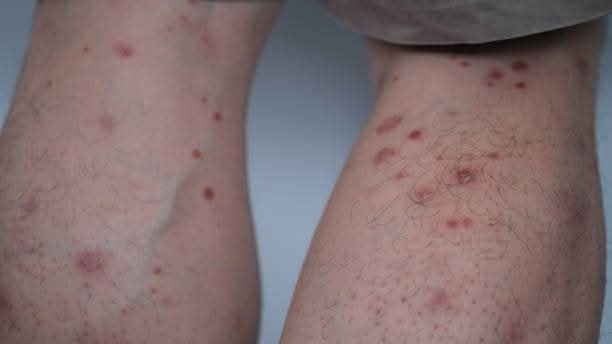
Sporotrichosis is a fungal infection that can affect both humans and animals. It most commonly involves the skin and tissues beneath the skin. The fungus can enter the body through small cuts or wounds after contact with contaminated soil, plants, or other natural materials. Infection may also occur after being scratched or bitten by an infected animal, particularly a cat.
Most cases are limited to the skin. However, in some people, especially those with weakened immune systems, the infection may spread to other parts of the body. Recognizing the symptoms and seeking medical attention early can help ensure appropriate diagnosis and treatment.
What Is Sporotrichosis?
Sporotrichosis is an infection caused by fungi belonging to the genus Sporothrix. These fungi occur naturally in soil, plants, wood debris, hay, and other organic materials.
The condition is sometimes called “Rose Gardener’s Disease” because infections have historically been associated with puncture wounds from rose thorns and gardening activities. However, infection can also occur through exposure to other environmental sources or infected animals.
Sporothrix brasiliensis is another important species because it can be transmitted from cats to humans. This type of transmission has become particularly significant in certain areas of South America.
How Is Sporotrichosis Transmitted?
Most infections occur when the fungus enters the body through broken skin. Possible routes of infection include:
- Being pricked or cut by thorns, branches, or plant materials
- Exposing cuts or wounds to contaminated soil or plant materials
- Being scratched or bitten by an infected cat
- Coming into contact with fluid or discharge from an infected animal’s lesions through broken skin
- Gardening, farming, or working with soil and plants without appropriate protective equipment
In rare cases, the fungus may enter the body through the respiratory tract or the eyes.
Symptoms to Watch For
Symptoms of sporotrichosis vary depending on the location and type of infection. Cutaneous, or skin, sporotrichosis is the most common form.
Skin Infection
Symptoms may develop approximately 1–12 weeks after exposure. Possible signs include:
- A small red, pink, or purple bump at the site where the fungus entered the skin
- A bump that may initially be painless
- Gradual enlargement of the lesion
- Development of an open sore or ulcer that may contain pus
- Additional bumps appearing in a line along the lymphatic vessels extending from the original infection site
Because these lesions can resemble other skin conditions or infections, sporotrichosis cannot be diagnosed based on the appearance of the lesions alone.
Eye Infection
Possible symptoms include:
- Red eyes
- Swollen or red eyelids
- Eye pain
- Changes in vision
Lung Infection
Pulmonary sporotrichosis is less common and may cause symptoms such as:
- Cough
- Shortness of breath
- Chest pain
- Fever
Disseminated Infection
In some people, the fungus can spread from the original infection site to other parts of the body, including the bones, joints, or central nervous system. Disseminated infection is more likely to occur in people with weakened immune systems.
Who Is at Greater Risk?
People who are more likely to be exposed to the fungus or develop sporotrichosis include:
- Gardeners and agricultural workers
- People who frequently handle soil, plants, hay, or wood
- Veterinarians and animal care workers
- People who come into contact with cats that have abnormal skin lesions
- People who participate in outdoor activities where cuts or puncture wounds from plants or soil may occur
- People with weakened immune systems, who may have a greater risk of severe or disseminated infection
When Should You See a Doctor?
You should consult a doctor if you develop a skin bump or wound after being pricked by a thorn, gardening, handling soil, or being scratched or bitten by a cat, particularly if the lesion does not improve or if additional bumps begin appearing along an arm or leg.
Seek prompt medical evaluation if you experience:
- Skin lesions that continue to enlarge or increase in number
- Red eyes, eye pain, or changes in vision after contact with an animal suspected of being infected
- Fever accompanied by cough, shortness of breath, or chest pain
- Pain or swelling in the bones or joints
- Unusual skin lesions if you have a weakened immune system
If you develop severe symptoms, such as significant difficulty breathing, neurological symptoms, or rapidly worsening symptoms, seek urgent medical attention.
How Is Sporotrichosis Diagnosed?
Because sporotrichosis lesions may resemble other skin diseases or infections, a doctor may ask about your history of exposure to soil, plants, gardening activities, or animal scratches and bites, as well as examine the affected areas.
An important diagnostic method involves collecting a sample from the affected area, such as tissue, fluid, or discharge from a lesion, and sending it for laboratory culture. Culturing and identifying Sporothrix is an important method for confirming the diagnosis.
In some cases, a biopsy, histopathological examination, or molecular testing may also be performed when appropriate.
Treatment of Sporotrichosis
Sporotrichosis requires treatment with antifungal medication. The treatment approach depends on the location and severity of the infection, the patient’s immune status, underlying medical conditions, and the doctor’s clinical assessment.
For skin infections, doctors commonly consider antifungal medications such as itraconazole. Treatment may need to continue for several months.
For severe or disseminated infections involving other organs, intravenous antifungal treatment such as amphotericin B may be required before treatment is adjusted according to the patient’s condition and response.
Antifungal medication should not be taken without medical supervision. The appropriate medication, duration of treatment, potential side effects, and drug interactions need to be carefully evaluated.
How to Reduce the Risk of Sporotrichosis
Although not every case can be prevented, several measures can help reduce exposure to the fungus:
- Wear gloves, long sleeves, long pants, and appropriate footwear when gardening or handling soil and plants.
- Take precautions to avoid cuts or puncture wounds from thorns and wood debris.
- Wash animal scratches or bites promptly with soap and water.
- Avoid direct contact with lesions or wound discharge from cats with abnormal skin conditions.
- If a cat develops persistent wounds, bumps, or unusual skin lesions, take the animal to a veterinarian.
- Consult a doctor if you develop unusual skin lesions after exposure to soil, plants, or animals.
Summary
Sporotrichosis is a fungal infection caused by fungi of the genus Sporothrix. The fungus usually enters the body through broken skin following contact with contaminated soil, plants, or infected animals, particularly cats.
Most cases affect the skin and may begin as a small bump that gradually develops into an ulcer or a series of lesions along the lymphatic vessels.
If you develop an unusual skin lesion after being pricked by a thorn, gardening, or being scratched or bitten by a cat, and the lesion does not improve, consult a doctor for proper evaluation. Self-treatment with antifungal medication is not recommended because sporotrichosis may require several months of treatment, and people with weakened immune systems may be at risk of severe or disseminated infection.
Prepared by: Dr. Nutjira Jeeyasak
References
- World Health Organization (WHO). Sporotrichosis
- Centers for Disease Control and Prevention (CDC). Sporotrichosis Basics
- Centers for Disease Control and Prevention (CDC). Clinical Overview of Sporotrichosis