 TH
 EN
 CN
 JAP
 AR
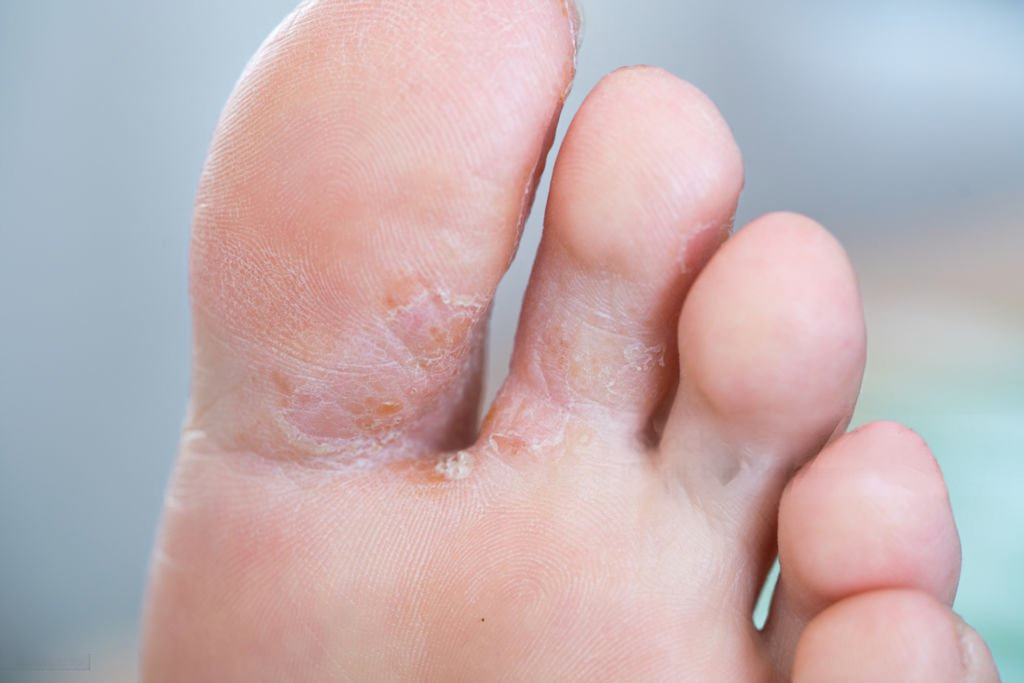
Itching between the toes, peeling skin, cracking, or scaling may be signs of athlete’s foot, also known as Tinea pedis, a common fungal infection of the skin on the feet.
Despite its name, athlete’s foot does not only affect athletes. Anyone can develop the condition, particularly people whose feet sweat frequently, who wear enclosed or poorly ventilated footwear for long periods, or who walk barefoot in warm and damp communal areas.
Athlete’s foot can usually be treated successfully, but it may recur, especially if the feet remain moist or are exposed to the fungus again. Recognizing the symptoms and taking proper care of your feet are therefore important for both treatment and prevention.
What Is Athlete’s Foot?
Athlete’s foot, or Tinea pedis, is a fungal infection of the skin caused by a group of fungi known as dermatophytes. These fungi thrive in warm and moist environments, which is why the infection commonly develops between the toes, particularly between the fourth and fifth toes.
Common fungi associated with athlete’s foot include Trichophyton rubrum, Trichophyton interdigitale, and Epidermophyton floccosum.
The infection is not limited to the spaces between the toes. Some people may develop dry, scaly skin on the soles or sides of the feet, while others may experience small fluid-filled blisters.
Why Should Athlete’s Foot Be Treated?
Although most cases of athlete’s foot are not serious, untreated infections can cause persistent itching, burning, discomfort, and cracked skin that may interfere with daily activities.
The fungal infection can also spread to other areas of the body, including the toenails, hands, or other areas of the skin.
Cracked skin caused by scratching or inflammation may also increase the risk of a secondary bacterial infection. This can be particularly important for people with diabetes, poor circulation in the feet, or weakened immune systems.
Causes and Risk Factors of Athlete’s Foot
Athlete’s foot is caused by a fungal infection that can spread through direct contact or through contaminated surfaces and personal items. Factors that may increase the risk include:
- Wet or sweaty feet: Moisture creates an environment in which fungi can thrive.
- Wearing poorly ventilated footwear for long periods: This can keep the feet warm and damp.
- Walking barefoot in communal areas: Examples include public showers, changing rooms, and areas around swimming pools.
- Sharing shoes, socks, or towels: These items may carry fungal organisms.
- Cracked or damaged skin on the feet: Damaged skin may make it easier for fungi to infect the skin.
- Diabetes or a weakened immune system: These conditions may increase the risk of foot problems and complications from infections.
Symptoms of Athlete’s Foot
Symptoms can vary from person to person. Common signs and symptoms include:
- Itching between the toes or on the soles of the feet
- Peeling, scaling, or soggy-looking skin, particularly between the toes
- Cracked skin that may become painful or cause a burning sensation
- Inflamed or discolored skin
- Thick, dry, or scaly skin on the soles and sides of the feet
- Small fluid-filled blisters in some cases
- Unpleasant foot odor, particularly when moisture accumulates between the toes
However, itching, peeling, or cracked skin does not always indicate a fungal infection. Other skin conditions, including dermatitis, psoriasis, and certain bacterial infections, can cause similar symptoms.
When Should You See a Doctor?
You should consult a doctor or healthcare professional if:
- Your symptoms do not improve after using an antifungal treatment as directed
- The symptoms become severe or continue to spread
- Your foot or leg becomes swollen, warm, painful, or significantly red, which may indicate another infection
- You develop wounds, pus, or severe cracking of the skin
- The infection or a similar rash spreads to your hands, nails, or other areas of the body
- The infection frequently returns
- You have diabetes
- You have a weakened immune system or are taking immunosuppressive medications
People with diabetes should pay particular attention to changes or abnormalities affecting their feet because certain foot problems may be more complicated and require professional medical assessment.
How Is Athlete’s Foot Diagnosed?
In many cases, athlete’s foot can be diagnosed by examining the appearance and location of the affected skin.
A doctor may also examine other areas, such as the toenails, hands, or groin, to determine whether a fungal infection is present elsewhere.
If the diagnosis is unclear, the infection repeatedly returns, or the condition does not respond to treatment, a sample of the affected skin may be collected and tested for fungi. This can help distinguish athlete’s foot from other conditions with similar symptoms.
Treatment for Athlete’s Foot
Treatment depends on the type and severity of the infection. Mild cases can often be treated with topical antifungal medications, which are available in several forms, including creams, sprays, and powders.
Different antifungal products have different instructions and recommended treatment durations. Always read the product label and use the medication as directed, or consult a pharmacist before use, particularly for children, pregnant women, people with underlying medical conditions, or those taking other medications.
If the infection is widespread, severe, recurrent, or does not respond to topical treatment, a doctor may consider prescribing an oral antifungal medication.
Oral antifungal medicines should not be taken without medical advice because some may have contraindications, cause side effects, or interact with other medications.
Self-Care and Prevention of Recurrence
Keeping the feet clean and dry is an important part of managing athlete’s foot and reducing the risk of recurrence.
- Wash your feet regularly and dry them thoroughly, especially between the toes.
- Change your socks every day or whenever they become damp from sweat.
- Avoid wearing footwear that keeps your feet hot and moist for long periods.
- Allow shoes to dry thoroughly before wearing them again.
- Wear sandals or flip-flops in public showers, changing rooms, and other damp communal areas.
- Do not share shoes, socks, or towels with other people.
- Avoid scratching the affected skin, as this can damage the skin and potentially spread the infection to other areas.
- If you are using an antifungal treatment, continue using it for the recommended duration stated on the label or advised by a healthcare professional, even if your symptoms begin to improve.
Who Should Consult a Doctor or Pharmacist Before Self-Treatment?
You should consult a healthcare professional if you are unsure whether your symptoms are caused by a fungal infection, particularly if you:
- Have diabetes
- Have a weakened immune system
- Have poor circulation in your feet
- Have wounds or another infection affecting your feet
- Are treating a young child
- Are pregnant or breastfeeding
- Have severe or frequently recurring symptoms
- Regularly take medications and are considering an oral antifungal treatment
Summary
Athlete’s foot, or Tinea pedis, is a common fungal infection of the feet. It frequently affects the spaces between the toes and may cause itching, peeling, scaling, or cracked skin. Moisture, sweating, poorly ventilated footwear, and exposure to contaminated surfaces are important factors associated with the condition.
Treatment typically involves appropriate antifungal medication together with keeping the feet clean and dry. If the condition does not improve, continues to spread, or causes pain, swelling, or warmth, or if you have an underlying condition such as diabetes, you should consult a healthcare professional for appropriate evaluation and treatment.
Written by: Natchira Jeeyasak, M.D.
References
- Centers for Disease Control and Prevention (CDC). Symptoms of Ringworm
- National Health Service (NHS). Athlete’s foot