 TH
 EN
 CN
 JAP
 AR
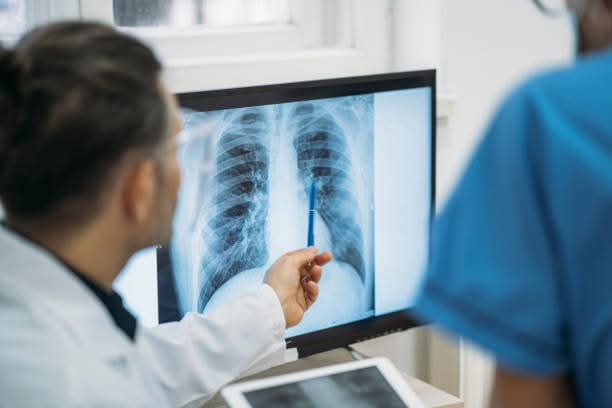
A persistent dry cough, fatigue, or shortness of breath can be caused by many respiratory conditions. One of them is pulmonary sarcoidosis, an inflammatory disease associated with an abnormal immune response that may affect lung function over time.
A key feature of sarcoidosis is the formation of small clusters of inflammatory immune cells called granulomas. When these granulomas develop in the lungs, the condition is known as pulmonary sarcoidosis. Some people may have no symptoms at all, and the condition may be discovered incidentally during a chest X-ray.
Although many people with sarcoidosis improve without treatment, some may develop chronic inflammation that eventually leads to lung scarring. Understanding the symptoms, warning signs, diagnosis, and available treatments can therefore be important for appropriate disease management.
What Is Pulmonary Sarcoidosis?
Sarcoidosis is an inflammatory disease that can affect several organs in the body, particularly the lungs and lymph nodes within the chest.
When the immune system responds abnormally, certain immune cells can accumulate and form small clusters of inflammatory tissue known as granulomas.
When these granulomas develop in the lungs, the condition is called pulmonary sarcoidosis. The accumulation of granulomas may cause inflammation of lung tissue, potentially affecting the elasticity of the lungs and their ability to exchange oxygen efficiently.
In some people, the inflammation may resolve without causing permanent damage. However, persistent inflammation can eventually lead to pulmonary fibrosis, or scarring of the lung tissue, which may affect breathing over the long term.
Sarcoidosis is not cancer and is not contagious. It cannot be transmitted from one person to another through physical contact or breathing the same air.
Why Is Pulmonary Sarcoidosis Important?
The lungs play an essential role in bringing oxygen into the bloodstream and removing carbon dioxide from the body. Inflammation caused by sarcoidosis may reduce the flexibility of lung tissue, making it more difficult for the lungs to expand fully and potentially affecting breathing.
The severity and progression of the disease vary considerably between individuals. In general, the course of the disease may fall into two broad patterns:
- Sarcoidosis That Improves on Its Own: Many people experience a gradual reduction in inflammation over several months or years and may not require medication. However, regular medical follow-up may still be necessary to monitor lung function and disease progression.
- Chronic Sarcoidosis: Some people develop persistent inflammation that can damage lung tissue and eventually cause fibrosis. This may result in a permanent reduction in lung function. In severe cases, complications such as pulmonary hypertension or respiratory failure may occur.
However, these complications do not occur in everyone with pulmonary sarcoidosis. Regular monitoring is therefore important for identifying changes in lung function.
Causes and Risk Factors of Pulmonary Sarcoidosis
The exact cause of sarcoidosis remains unknown. Researchers believe that the condition may involve an abnormal immune response in people who are genetically susceptible to the disease. Several factors may be involved:
- Abnormal Immune Response: The immune system may overreact to certain triggers, causing immune cells to accumulate and form granulomas in different tissues and organs.
- Genetic Factors: People who have a family member with sarcoidosis may have a higher risk of developing the condition compared with the general population. However, having a family history of sarcoidosis does not necessarily mean that a person will develop the disease.
- Environmental Factors: Researchers have investigated possible links between sarcoidosis and exposure to dust, chemicals, mold, and other environmental triggers. However, no single environmental trigger has been confirmed as the direct cause of sarcoidosis in all patients.
- Age and Demographic Factors: Sarcoidosis can occur at any age but is commonly diagnosed in adults, particularly those between approximately 30 and 40 years of age. The incidence and severity of the disease may also vary among different population groups.
Symptoms of Pulmonary Sarcoidosis
The symptoms of pulmonary sarcoidosis vary depending on the degree of inflammation and lung involvement. Some people may have no noticeable symptoms, while others may experience persistent respiratory problems.
Respiratory Symptoms
Possible respiratory symptoms include:
- Persistent dry cough: A common symptom that may continue for several weeks or months.
- Shortness of breath: It may initially occur during physical activity and become more noticeable if lung function declines.
- Fatigue during activity: Everyday activities may cause more tiredness or breathlessness than usual.
- Chest pain or discomfort: Some people may experience discomfort or tightness in the chest.
- Wheezing: Inflammation affecting the airways may sometimes cause wheezing.
General Symptoms
Sarcoidosis may also cause general symptoms such as:
- Fatigue or weakness
- Low-grade fever
- Unexplained weight loss
- Loss of appetite
- Night sweats
- Joint pain or swelling
Symptoms When Other Organs Are Affected
Although sarcoidosis commonly affects the lungs, it can involve other organs as well. Possible symptoms include:
- Eyes: Redness, eye pain, blurred vision, or sensitivity to light
- Skin: Inflammatory rashes, bumps, or skin lesions, particularly on the legs
- Heart: Palpitations, abnormal heart rhythms, or fainting
- Nervous system: Headaches, numbness, muscle weakness, or other neurological symptoms
These symptoms do not occur in everyone. However, any new or unusual symptoms should be discussed with a healthcare professional to determine whether they may be related to sarcoidosis.
When Should You Seek Urgent Medical Attention?
People with pulmonary sarcoidosis should monitor changes in their symptoms, particularly those that may indicate complications.
Seek urgent medical attention if you experience:
- Severe shortness of breath or difficulty breathing even while resting
- Severe or sudden chest pain
- Fainting, loss of consciousness, or palpitations accompanied by dizziness
- Coughing up a significant amount of blood
- Bluish discoloration of the lips or fingertips
- Sudden weakness or severe neurological symptoms
In addition, anyone experiencing a persistent cough, increasing fatigue, or ongoing shortness of breath should consult a healthcare professional even if the symptoms are not severe.
How Is Pulmonary Sarcoidosis Diagnosed?
Diagnosing pulmonary sarcoidosis usually requires several types of information because its symptoms and imaging findings may resemble those of other lung conditions, including tuberculosis, fungal infections, and certain cancers. A doctor may consider the following examinations:
- Medical History and Physical Examination: The doctor may ask about symptoms, how long they have been present, previous illnesses, underlying medical conditions, and possible environmental or occupational exposures. A physical examination may also be performed to evaluate the respiratory system and other organs that could be affected.
- Chest X-ray: A chest X-ray is commonly used as an initial imaging test. It may show enlarged lymph nodes near the lungs or abnormalities in lung tissue associated with inflammation.
- Computed Tomography (CT) Scan: A CT scan provides more detailed images of the lungs and lymph nodes. It can help doctors assess the distribution and extent of abnormalities that may not be clearly visible on a standard chest X-ray.
- Pulmonary Function Tests: Pulmonary function tests assess breathing capacity and how effectively the lungs are working. They can help determine how much the disease has affected lung function and can also be used to monitor changes over time.
- Bronchoscopy and Biopsy: In some cases, a doctor may perform a bronchoscopy to collect tissue samples from the lungs or nearby lymph nodes. A biopsy may reveal non-caseating granulomas, which are characteristic findings that can support a diagnosis of sarcoidosis. However, granulomas alone do not always confirm sarcoidosis. Doctors must consider biopsy findings together with symptoms, other test results, and the exclusion of other diseases that can produce similar findings.
- Additional Tests for Other Organs: Because sarcoidosis can affect organs beyond the lungs, additional tests may be recommended, such as blood tests to evaluate liver and kidney function and calcium levels, electrocardiogram (ECG), eye examination, and additional tests based on symptoms or suspected organ involvement.
Treatment of Pulmonary Sarcoidosis
Treatment depends on the severity of symptoms, lung function, and whether other organs are affected. Some people may not require medication because the inflammation can resolve on its own. Others may need treatment to control inflammation and reduce the risk of organ damage.
- Monitoring Without Medication: For people with no symptoms or only mild symptoms and no significant organ dysfunction, a doctor may recommend regular monitoring rather than immediate treatment. Follow-up may include pulmonary function tests, chest imaging, and clinical assessment of symptoms.
- Corticosteroids: Corticosteroids, such as prednisone, are commonly used to control inflammation caused by sarcoidosis. These medications reduce immune system activity and inflammation. However, long-term corticosteroid use may cause side effects such as elevated blood sugar, high blood pressure, weight gain, and osteoporosis. Corticosteroids should therefore be used under appropriate medical supervision.
- Immunomodulatory or Immunosuppressive Medications: People who require long-term disease control or who cannot tolerate corticosteroids may be treated with other medications, such as methotrexate. These medicines can help control inflammation and may reduce the amount of corticosteroids required. The choice of medication depends on disease severity, potential side effects, and the treating physician’s assessment.
- Pulmonary Rehabilitation: People experiencing reduced exercise tolerance, fatigue, or decreased lung function may benefit from pulmonary rehabilitation. A rehabilitation program may include supervised exercise, breathing techniques, and education about symptom management. This approach may help improve physical capacity and quality of life.
- Treatment of Complications: People with severe lung damage may require additional treatment, such as supplemental oxygen when blood oxygen levels are low. For patients with advanced lung disease that does not respond adequately to other treatments, lung transplantation may be considered in selected cases.
Treatment decisions should always be individualized according to the patient’s health, disease severity, and specialist assessment.
How to Take Care of Yourself With Pulmonary Sarcoidosis
Because the exact cause of sarcoidosis remains unknown, there is currently no guaranteed way to prevent the disease. However, appropriate lifestyle measures may help protect lung health and improve overall quality of life:
- Avoid Smoking and Secondhand Smoke: Smoking can further reduce lung function and increase the risk of other respiratory diseases. People with pulmonary sarcoidosis should avoid both smoking and exposure to secondhand smoke.
- Reduce Exposure to Dust and Irritants: Avoiding dust, smoke, chemicals, and air pollution may help reduce exposure to substances that can irritate the respiratory system.
- Exercise Appropriately: Regular physical activity may help maintain muscle strength and exercise capacity. However, people who experience significant shortness of breath or reduced lung function should consult their doctor before starting a new exercise program.
- Get Adequate Rest: Fatigue is common among people with sarcoidosis. Getting sufficient rest and maintaining an appropriate balance between activity and recovery may help manage fatigue.
- Maintain a Balanced Diet: A varied and balanced diet can support overall health. People who develop elevated blood calcium levels related to sarcoidosis should consult their doctor before taking calcium or vitamin D supplements, as these supplements may further affect calcium levels.
- Attend Regular Follow-up Appointments: Even when symptoms are mild or absent, regular medical follow-up is important for monitoring lung function and detecting possible complications.
Who Should Consult a Doctor?
Medical evaluation should be considered for:
- People with a persistent dry cough without a clear cause
- People who experience increasing fatigue or shortness of breath
- People with abnormal findings in the lungs or lymph nodes on chest imaging
- People with a family history of sarcoidosis who develop relevant symptoms
- People diagnosed with sarcoidosis who develop eye, heart, or neurological symptoms
- People whose symptoms change or worsen during treatment
Evaluation by a respiratory specialist or pulmonologist may help establish an accurate diagnosis and appropriate treatment plan.
Summary
Pulmonary sarcoidosis is an inflammatory disease characterized by the formation of small clusters of immune cells called granulomas in the lungs. These granulomas can cause inflammation and may affect respiratory function.
Some people have no symptoms and may improve without treatment. Others may experience a persistent dry cough, fatigue, or shortness of breath. In some cases, prolonged inflammation can lead to pulmonary fibrosis and permanent lung damage.
Although there is currently no treatment that guarantees complete recovery for every patient, appropriate monitoring and treatment can help control inflammation, reduce the risk of complications, and improve quality of life.
If you experience a persistent cough, unexplained fatigue, or ongoing shortness of breath, consult a healthcare professional for proper evaluation and medical advice.
Prepared by: Punyanooch Angkanawin, Pharm.D.