 TH
 EN
 CN
 JAP
 AR
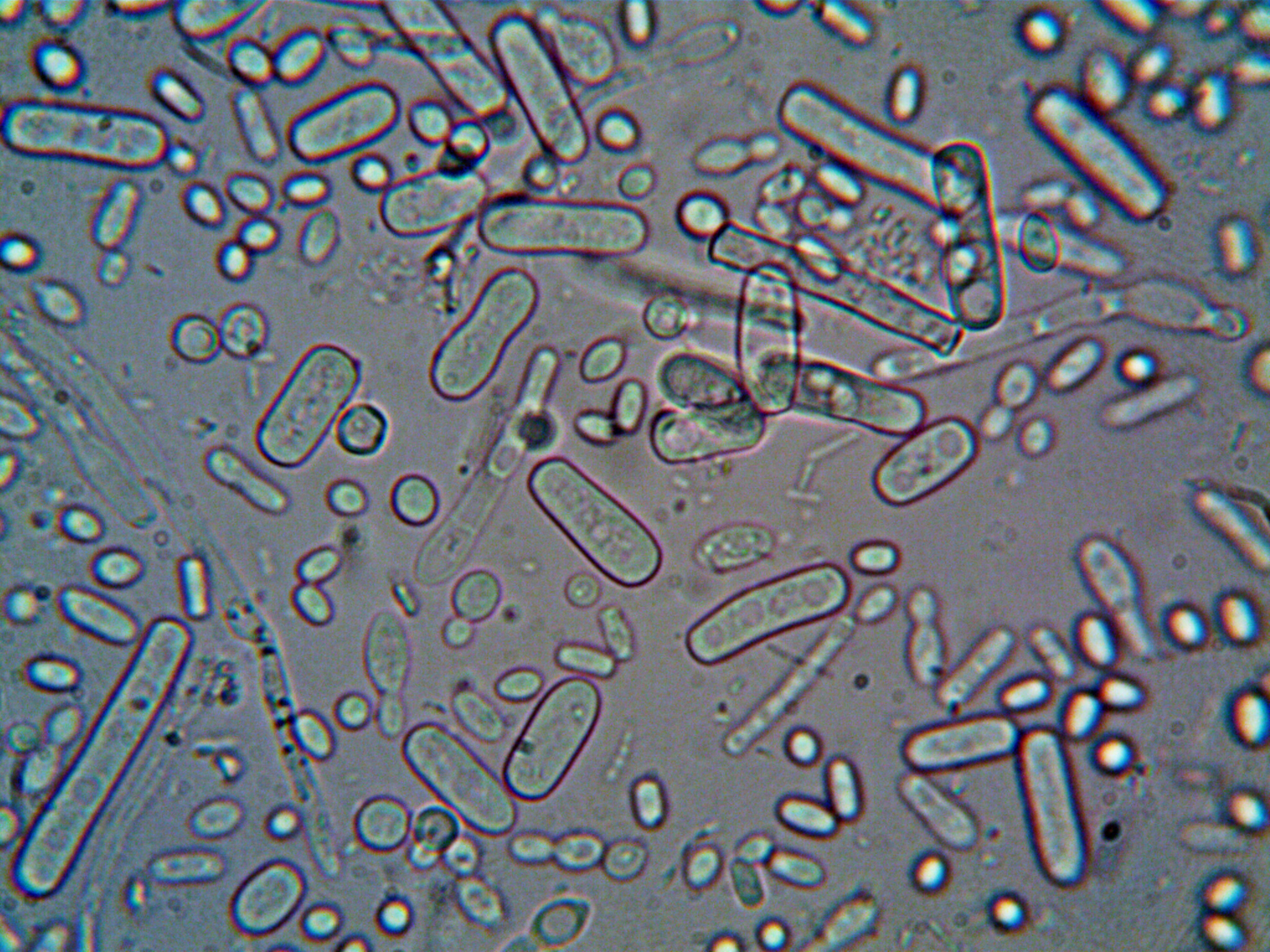
Diarrhea after eating seafood or drinking unsafe water is often thought of as a simple case of food poisoning. In reality, these symptoms can be caused by several different microorganisms. One of them is Plesiomonas shigelloides, a bacterium commonly found in aquatic environments.
Although this bacterium is not among the most familiar causes of diarrhea, it can lead to gastrointestinal infection, particularly after exposure to contaminated water or food.
Most infections are mild and may improve on their own. However, people who develop frequent diarrhea, persistent vomiting, or who have certain underlying health conditions should monitor their symptoms carefully, as significant fluid loss or a more serious infection may require medical attention.
What is Plesiomonas shigelloides?
Plesiomonas shigelloides is a Gram-negative bacterium that occurs naturally in aquatic environments, particularly freshwater sources and estuarine areas. It can also be found in animals that live in or around these environments.
The bacterium has been identified in fish, other aquatic animals, reptiles, and several other animal species associated with water. For this reason, human infection is commonly linked to the consumption of contaminated food or water.
When the bacterium enters the digestive system, it may cause gastroenteritis, which refers to inflammation of the stomach and intestines. This can lead to symptoms such as diarrhea, abdominal pain, nausea, and vomiting.
However, exposure to the bacterium does not necessarily mean that everyone will become ill. The severity of symptoms can vary depending on the amount of bacteria involved, the person’s general health, and other individual factors.
Where does the infection come from, and how does it enter the body?
Because P. shigelloides is commonly associated with aquatic environments, infection is usually linked to ingestion of contaminated food or water. Situations that may increase exposure include:
- Drinking untreated or inadequately treated water, particularly water from rivers, streams, or other natural sources
- Eating raw or undercooked fish, seafood, or other aquatic animals that may be contaminated
- Using contaminated water to prepare foods that are eaten without further cooking
- Exposure to aquatic environments where the bacterium may be present, especially in areas with poor water and food sanitation
- Traveling to tropical or subtropical regions, where the organism has been reported more frequently in some areas
Eating seafood or coming into contact with natural water does not automatically result in infection. The actual risk also depends on food hygiene, water quality, and how food is handled and prepared.
Symptoms of Plesiomonas shigelloides infection
Most symptoms involve the gastrointestinal system and can resemble diarrhea caused by many other bacterial or viral infections. For this reason, symptoms alone are not enough to confirm that P. shigelloides is the cause. Possible symptoms include:
- Diarrhea or loose stools
- Abdominal pain or cramping
- Nausea
- Vomiting
- Fever
- Chills
- Fatigue or weakness
Some people with more significant intestinal inflammation may also develop mucus or blood in the stool. When monitoring symptoms, it is important to look beyond the number of bowel movements. The ability to drink and retain fluids, the level of weakness, and signs of dehydration are also important.
Can the infection become serious?
In most cases, P. shigelloides is associated with gastrointestinal illness, and the infection remains limited to the digestive system.
However, rare cases of infection outside the gastrointestinal tract have been reported, including bacteremia, which means that bacteria are present in the bloodstream.
Bloodstream infection is more serious than uncomplicated gastroenteritis and has been reported more often in people with certain underlying risk factors, such as weakened immune systems, hematologic conditions, or other serious illnesses.
People with underlying health problems should therefore pay closer attention to changes in their condition. High fever, marked weakness, or a rapid deterioration in general health should be assessed by a healthcare professional.
Who may need to be more cautious?
Anyone may be exposed to the bacterium through contaminated food or water, but the impact of the infection can vary from person to person. Groups who may need closer monitoring include:
- Young children
- Older adults
- People with weakened immune systems
- People with certain hematologic disorders
- People with serious underlying medical conditions
These groups may be more affected by fluid loss from diarrhea or vomiting, and in some cases may be at greater risk of developing a more serious infection.
How is the infection diagnosed?
Diarrhea, abdominal pain, nausea, and fever can be caused by many different bacteria, viruses, or other conditions. A diagnosis of P. shigelloides infection therefore cannot be made based on symptoms alone. A healthcare professional may first ask about:
- When the symptoms started
- The frequency and appearance of bowel movements
- Whether fever or vomiting is present
- Foods eaten before the symptoms began
- Recent consumption of raw fish, seafood, or other aquatic animals
- Drinking water from natural sources
- Recent travel history
- Underlying medical conditions or immune problems
If further testing is considered necessary, a stool sample may be collected for bacterial culture or molecular testing that can detect several gastrointestinal pathogens.
If there are signs suggesting that the infection may have spread into the bloodstream, blood tests and blood cultures may also be considered.
How is Plesiomonas shigelloides infection treated?
Treatment depends on the severity of symptoms, the person’s general health, and whether the infection is limited to the gastrointestinal tract or has spread elsewhere.
For mild diarrhea, the main priority is preventing excessive loss of fluids and electrolytes. Many gastrointestinal infections caused by P. shigelloides may improve without specific antibiotic treatment. Antibiotics are therefore not required in every case.
In people with severe or persistent symptoms, or in those with infection outside the gastrointestinal tract, a doctor may consider antibiotic treatment based on the individual situation, the site of infection, and the susceptibility of the bacterium to different antibiotics.
Antibiotics should not be taken without medical advice simply because diarrhea is present. Similar symptoms may be caused by many different organisms, and the appropriate treatment can vary considerably.
How to care for yourself if you have diarrhea
If symptoms are mild, self-care should focus on maintaining hydration and reducing the risk of spreading infection to others. Helpful measures include:
- Drink enough fluids to replace water lost through diarrhea or vomiting
- If diarrhea is frequent, oral rehydration solution may be used as advised by a healthcare professional
- Choose clean, easy-to-digest foods
- Get adequate rest
- Wash hands thoroughly with soap after using the bathroom and before handling food
- Avoid preparing food for other people while diarrhea is ongoing
- Avoid eating raw or undercooked fish, seafood, and other aquatic animals
If there is high fever, bloody diarrhea, or severe symptoms, antidiarrheal medicines or antibiotics should not be used without advice from a doctor or pharmacist.
How can the risk of Plesiomonas shigelloides infection be reduced?
Prevention mainly focuses on safe food and water practices, as these are the main routes by which the bacterium may enter the body.
- Choose safe drinking water: Avoid drinking directly from rivers, streams, or other natural water sources unless the water has been properly treated. When traveling to areas where water quality is uncertain, it is also important to consider the source of water used for both drinking and food preparation.
- Cook aquatic foods properly: Fish, seafood, and other aquatic animals may carry the bacterium. Proper cooking can help reduce the risk associated with raw or undercooked food.
- Prevent cross-contamination in the kitchen: Keep utensils used for raw food separate from those used for ready-to-eat food. Hands should also be washed thoroughly after handling fish, aquatic animals, or reptiles. Good hygiene during food preparation is just as important as proper cooking.
When should you see a doctor?
Mild diarrhea may improve without specific treatment, but some symptoms suggest that medical assessment is appropriate. Seek medical advice if you experience:
- Severe or very frequent diarrhea with significant weakness
- Blood in the stool
- Persistent vomiting that prevents you from keeping fluids down
- High fever or fever that does not improve
- Severe abdominal pain
- Reduced urination, dry mouth, excessive thirst, or dizziness, which may indicate dehydration
- Drowsiness, confusion, or unusual weakness
- Symptoms that are not improving or are becoming more severe
People with weakened immune systems, young children, older adults, and those with serious underlying conditions should consider seeking medical advice earlier if significant diarrhea or symptoms of infection develop. It is also helpful to tell the doctor if symptoms began after eating raw seafood or aquatic animals, drinking water from a natural source, or traveling to an area where exposure may have occurred.
Summary
Plesiomonas shigelloides is a bacterium found in aquatic environments and aquatic animals. Human infection is commonly associated with contaminated food or water and most often affects the gastrointestinal system, causing symptoms such as diarrhea, abdominal pain, nausea, vomiting, and fever.
Many cases are mild and may improve with appropriate fluid and electrolyte replacement. However, in people with weakened immune systems or certain underlying medical conditions, the bacterium can occasionally cause more serious infections outside the gastrointestinal tract.
Choosing safe drinking water, properly cooking seafood and aquatic foods, and maintaining good hygiene during food preparation can help reduce the risk of exposure. If diarrhea is severe, there is blood in the stool, vomiting prevents fluid intake, signs of dehydration develop, or overall health is worsening, medical evaluation is recommended.
Prepared by: Pharm. Punyanuch Angkanawin
References
- Janda JM, Abbott SL, McIver CJ. Plesiomonas shigelloides Revisited. Clinical Microbiology Reviews. 2016.
- Cortés-Sánchez ADJ, Espinosa-Chaurand LD, Díaz-Ramirez M, Torres-Ochoa E. Plesiomonas: A Review on Food Safety, Fish-Borne Diseases, and Tilapia. The Scientific World Journal. 2021.
- Romli NIA, Mohamed Sukur S, Vellasamy KM, Abdul Jabar K. Plesiomonas shigelloides Bacteremia: A Scoping Review of Epidemiology, Clinical Characteristics, Outcomes, and Implications of Antimicrobial Stewardship. Pathogens. 2026.