 TH
 EN
 CN
 JAP
 AR
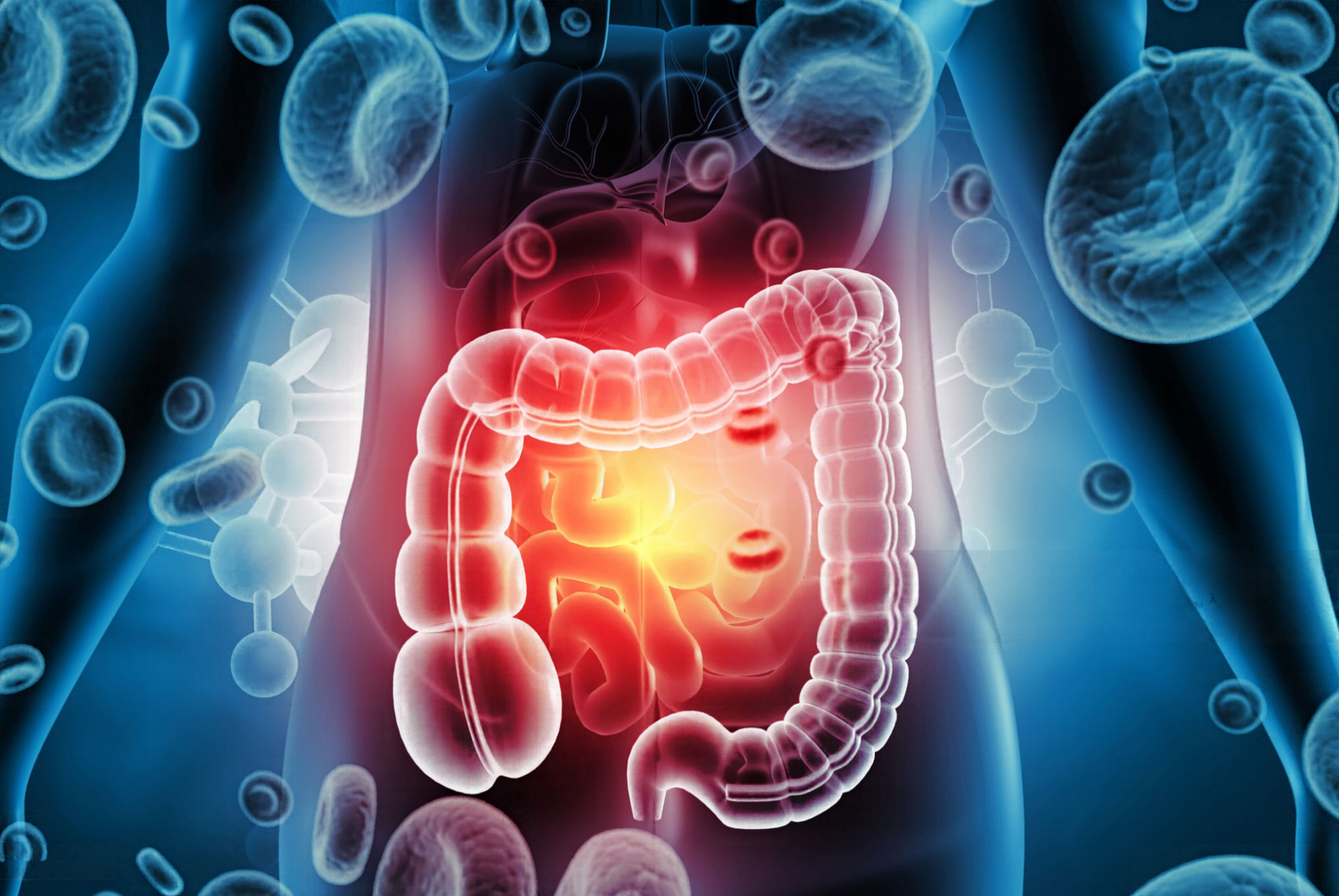
Diarrhea is a common health problem that can result from various causes, including viral, bacterial, and parasitic infections. However, when diarrhea is accompanied by fever, abdominal cramps, or bloody or mucus-containing stools, it may indicate a bacterial intestinal infection, including “Shigellosis.”
Shigellosis is an infectious disease that can spread easily from person to person, particularly in settings where people share bathrooms or where proper hygiene and sanitation may be difficult to maintain, such as childcare centers, schools, and communities with limited sanitation facilities.
Although most people recover within approximately 5–7 days, some individuals may develop severe symptoms or complications, particularly young children, older adults, and people with weakened immune systems. Understanding the causes, symptoms, modes of transmission, and appropriate treatment of Shigellosis is therefore important for reducing the risk of complications and preventing the infection from spreading to others.
What Is Shigellosis?
Shigellosis, also known as Shigella infection or bacterial dysentery caused by Shigella, is a bacterial infection of the gastrointestinal tract. It is caused by bacteria of the genus Shigella, which can cause inflammation of the intestines, particularly the large intestine.
The infection may cause diarrhea, abdominal pain, fever, and, in some cases, stools containing mucus or blood due to inflammation of the intestinal lining.
There are four main species of Shigella:
- Shigella sonnei: A common cause of Shigellosis in many countries, particularly those with relatively well-developed sanitation systems.
- Shigella flexneri: An important cause of Shigellosis in many regions where sanitation may be limited.
- Shigella dysenteriae: Certain strains can produce toxins and may cause severe illness.
- Shigella boydii: Less commonly reported than some other species but can still cause intestinal infection.
An important characteristic of Shigella is that only a small number of bacteria may be sufficient to cause infection. As a result, the disease can spread easily when proper hygiene practices are not followed.
Why Is Shigellosis Important?
Shigellosis is more than a typical episode of diarrhea because the bacteria can cause inflammation of the intestinal lining and, in some cases, lead to complications requiring medical attention. Potential health effects include:
- Dehydration and Electrolyte Loss: Frequent diarrhea can cause the body to lose significant amounts of fluids and electrolytes, particularly in people with severe symptoms or those who are unable to drink enough fluids.
- Intestinal Inflammation: Shigella bacteria can cause inflammation of the intestinal lining, resulting in abdominal cramps, frequent bowel movements, and sometimes blood in the stool.
- Transmission to Others: An infected person can spread the bacteria through fecal contamination of hands, food, water, or shared objects. Transmission may occur even when symptoms are mild or not clearly noticeable.
- Rare Complications: Some individuals may develop complications such as reactive arthritis or hemolytic uremic syndrome (HUS), a condition involving the destruction of red blood cells and impaired kidney function. These complications are uncommon and may be associated with certain strains of Shigella.
Appropriate medical assessment and treatment are therefore particularly important for people with severe symptoms or those at increased risk of complications.
Causes and Transmission of Shigellosis
Shigellosis occurs when Shigella bacteria enter the body through the mouth. Infection usually results from contact with substances contaminated by the feces of an infected person. Important routes of transmission include:
- Eating Contaminated Food: Food may become contaminated when it is prepared by an infected person who does not wash their hands properly after using the bathroom or when food is prepared under unhygienic conditions.
- Drinking Contaminated Water: Water that has not been properly treated may contain Shigella, particularly in areas with inadequate sanitation.
- Direct Contact With an Infected Person: The bacteria may spread through hands contaminated with fecal matter, such as when assisting someone with toileting, changing a child’s diaper, or caring for an infected person without washing the hands properly afterward.
- Contact With Contaminated Objects or Surfaces: Toys, doorknobs, bathroom surfaces, and other shared objects may transmit the bacteria if they become contaminated and a person touches them before placing their hands near or in their mouth.
- Sexual Contact: Shigella can also spread during sexual activity that involves possible contact with fecal matter from an infected person.
Because only a small amount of the bacteria may be sufficient to cause infection, proper hand hygiene and sanitation are essential for reducing the risk of transmission.
Symptoms of Shigellosis
Most infected people begin developing symptoms approximately 1–2 days after exposure, although the exact incubation period can vary between individuals. Common symptoms include:
- Diarrhea: Stools may be watery, and bowel movements may occur more frequently than usual.
- Bloody or mucus-containing stools: Some people may notice mucus or blood in their stools due to intestinal inflammation.
- Abdominal pain or cramps: Cramping may occur, particularly before a bowel movement.
- Fever: Body temperature may increase as the immune system responds to the infection.
- Tenesmus: A persistent feeling of needing to have a bowel movement even when there is little or no stool left to pass.
- Fatigue: This may result from the infection itself, fluid loss, or reduced food intake.
Some infected individuals may have only mild symptoms or no noticeable symptoms at all. In most cases, symptoms improve within approximately 5–7 days. However, some people may experience symptoms for longer, and bowel habits may take some time to return completely to normal.
When Should You Seek Medical Attention?
Although most cases of Shigellosis resolve without serious complications, medical attention should be sought when symptoms suggest a severe infection or complications. Seek medical attention if you experience:
- Bloody diarrhea or clearly visible blood in the stool
- Severe abdominal pain or significant abdominal tenderness
- High fever accompanied by diarrhea
- Diarrhea lasting longer than 3 days
- Frequent vomiting that prevents adequate fluid or food intake
- Signs of dehydration, such as severe dry mouth, reduced urination, dizziness, or unusual weakness
- Drowsiness, confusion, or loss of consciousness, which may indicate a serious condition requiring urgent medical care
Young children, older adults, and people with weakened immune systems should seek medical advice early if abnormal symptoms develop, as they may be at greater risk of severe illness.
Who Is at Higher Risk of Shigellosis?
Shigellosis can affect people of all ages, but certain groups may have a higher risk of becoming infected or developing complications:
- Children Under 5 Years of Age: Young children are among the groups most commonly affected because they frequently touch objects and place their hands near their mouths. They may also have difficulty maintaining proper personal hygiene.
- Older Adults: Older adults may be more vulnerable to dehydration and severe illness, particularly if they have underlying health conditions.
- People With Weakened Immune Systems: People taking immunosuppressive medications, undergoing cancer treatment, or living with conditions that affect immune function may experience more severe symptoms or require a longer recovery period.
- People Living in Crowded Environments: Shared bathrooms, common facilities, and close physical contact can increase the likelihood of transmission when appropriate hygiene measures are not maintained.
- Travelers to Areas With Inadequate Sanitation: Eating contaminated food or drinking unsafe water may increase the risk of exposure to Shigella and other gastrointestinal pathogens.
How Is Shigellosis Diagnosed?
Diagnosing Shigellosis generally involves evaluating symptoms and risk factors and may include laboratory testing to confirm the infection.
- Medical History: A healthcare professional may ask about the characteristics and duration of diarrhea, recent food consumption, travel history, and contact with other people who have diarrhea.
- Physical Examination: The doctor may assess the severity of symptoms, including signs of dehydration, fever, and abdominal tenderness.
- Stool Testing: Stool testing is an important method for detecting Shigella. Tests may include bacterial culture or molecular testing to identify the genetic material of the bacteria.
- Antibiotic Susceptibility Testing: If antibiotic treatment is considered necessary, susceptibility testing may be performed to determine which antibiotics are likely to be effective. This has become increasingly important because some strains of Shigella have developed resistance to multiple antibiotics.
Treatment of Shigellosis
Treatment depends on the severity of symptoms, the patient’s age, overall health, and individual risk factors.
- Fluid and Electrolyte Replacement: Preventing dehydration is an important part of treatment. Patients should drink adequate fluids and may use oral rehydration salts (ORS) to replace fluids and electrolytes lost through diarrhea. If dehydration is severe or the patient cannot drink enough fluids, intravenous fluids may be required.
- Rest and Supportive Care: People with mild illness often recover with adequate rest and hydration and may not require antibiotic treatment.
- Antibiotics: Antibiotics may be considered for people with severe symptoms or those at increased risk of complications. Antibiotics that may be used include azithromycin or ciprofloxacin. However, the choice of medication depends on factors such as age, overall health, disease severity, and the antibiotic susceptibility of the bacteria. Patients should not purchase or take antibiotics without medical advice. Inappropriate antibiotic use may result in ineffective treatment and contribute to antibiotic resistance.
- Caution With Anti-Diarrheal Medicines: People with suspected Shigellosis, particularly those with bloody diarrhea, should avoid medicines that slow intestinal movement, such as loperamide, unless advised by a healthcare professional. These medicines may worsen the illness in some cases.
Self-Care During Shigellosis
Appropriate self-care can support recovery and help prevent transmission to other people.
- Drink enough fluids and electrolytes: Drink fluids regularly and consider oral rehydration salts when significant fluid loss occurs due to diarrhea.
- Choose easily digestible foods: Eat clean, properly cooked foods according to your tolerance and avoid foods that appear to worsen diarrhea or abdominal discomfort.
- Get adequate rest: Rest helps the body recover from infection and may reduce fatigue.
- Wash your hands with soap and clean water: Hands should be washed after using the bathroom, before eating, and before touching items that will be shared with others.
- Avoid preparing food for others while you are ill: People with Shigellosis should avoid preparing or handling food for others while experiencing diarrhea to reduce the risk of spreading the bacteria.
- Monitor your symptoms: Seek medical attention if you develop bloody diarrhea, high fever, severe abdominal pain, or symptoms that do not improve.
How to Prevent Shigellosis
Preventing Shigellosis primarily involves maintaining good personal hygiene, ensuring food and water safety, and reducing exposure to bacteria from infected individuals.
- Wash Your Hands Properly: Wash your hands thoroughly with soap and clean water for at least 20 seconds, especially after using the bathroom, changing diapers, and before preparing or eating food.
- Eat Clean and Properly Prepared Food: Choose food that has been prepared and cooked appropriately. Avoid foods that may have been contaminated during preparation or storage.
- Drink Safe Water: Choose properly treated drinking water and avoid water from sources where cleanliness and safety cannot be confirmed.
- Clean Bathrooms and Shared Surfaces: Bathrooms, diaper-changing areas, and surfaces that may become contaminated with fecal matter should be cleaned appropriately.
- Avoid Swimming While Experiencing Diarrhea: People with diarrhea should avoid swimming to reduce the risk of spreading bacteria through water.
- Avoid Sexual Activities That May Spread the Infection: People diagnosed with Shigellosis should avoid sexual activity for at least 2 weeks after diarrhea has completely stopped to reduce the risk of transmitting the bacteria.
- Stay Home From School or Work When Symptomatic: People with diarrhea should avoid attending school or working in settings where there is a high risk of spreading the infection, particularly jobs involving food preparation, childcare, or patient care. Returning to school or work should follow medical advice and relevant public health requirements.
How Is Shigellosis Different From General Food Poisoning?
Shigellosis is one possible cause of illness resulting from contaminated food or water, but it has several characteristics that distinguish it from other causes of gastrointestinal illness.
| Topic | Shigellosis | Food Poisoning or Diarrhea From Other Causes |
|---|---|---|
| Cause | Shigella bacteria | May be caused by bacteria, viruses, toxins, parasites, or other factors |
| Common symptoms | Diarrhea, abdominal cramps, fever, and sometimes bloody or mucus-containing stools | Symptoms vary depending on the cause and may include nausea, vomiting, diarrhea, or abdominal pain |
| Transmission | Fecal contamination, including person-to-person transmission | Depends on the specific pathogen or cause |
| Duration | Generally approximately 5–7 days | Varies according to the cause and severity |
| Treatment | Mainly fluid and electrolyte replacement; some patients may require antibiotics | Depends on the underlying cause and severity |
However, Shigellosis cannot be diagnosed based on symptoms alone because many intestinal infections can cause similar symptoms. If you experience bloody or mucus-containing diarrhea or symptoms suggesting a severe infection, you should seek medical attention for appropriate diagnosis and treatment.
Who Should Consult a Doctor or Healthcare Professional?
People experiencing diarrhea should seek medical advice if they develop concerning symptoms or have risk factors that may increase the likelihood of complications, including:
- Young children, particularly those under 5 years of age
- Older adults experiencing diarrhea or difficulty maintaining adequate food and fluid intake
- Pregnant women with severe diarrhea or signs of dehydration
- People with underlying conditions such as kidney disease or disorders affecting the immune system
- People taking immunosuppressive medications or undergoing cancer treatment
- People with bloody diarrhea, fever, or severe abdominal pain
- People with persistent diarrhea or symptoms that do not improve
- People who develop unusual symptoms after taking antibiotics
Medical assessment can help determine the cause of symptoms and identify the most appropriate treatment for each individual.
Summary
Shigellosis is a bacterial gastrointestinal infection caused by Shigella. It can spread through food, water, hands, or objects contaminated with the feces of an infected person.
Common symptoms include diarrhea, abdominal cramps, fever, and sometimes bloody or mucus-containing stools. Most people recover within approximately 5–7 days, although some may develop severe illness requiring medical treatment.
Good hygiene, proper handwashing, safe food and drinking water, and avoiding activities that may spread the bacteria while ill are important measures for reducing the risk of infection and transmission. If diarrhea is accompanied by blood in the stool, high fever, severe abdominal pain, or signs of dehydration, medical attention should be sought promptly for appropriate diagnosis and treatment.
Prepared by: Pharmacist Punyanuch Angkanawin