 TH
 EN
 CN
 JAP
 AR
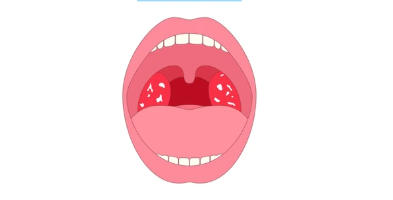
Infectious Mononucleosis Caused by EBV: Symptoms, Transmission, and Care
A sore throat, fever, and unusual fatigue can easily be mistaken for a common cold or a routine throat infection, especially when the symptoms initially look similar to other common infections.
However, when marked fatigue occurs together with swollen lymph nodes in the neck and the symptoms persist longer than expected, a doctor may consider a condition known as infectious mononucleosis, often referred to simply as mono.
This condition is particularly common among teenagers and young adults, and the most frequent cause is the Epstein-Barr virus (EBV). Although most people gradually recover, it is still important to know how to care for yourself and recognize symptoms that may suggest a complication.
What Are Infectious Mononucleosis and EBV?
Infectious mononucleosis is an illness caused by a viral infection. The most common cause is the Epstein-Barr virus, or EBV, which belongs to the herpesvirus family.
EBV and infectious mononucleosis are therefore not the same thing.
EBV is the name of the virus, while infectious mononucleosis refers to a group of symptoms that may develop after infection, particularly when a person is first infected during adolescence or early adulthood.
Being infected with EBV does not mean that everyone will develop mono. Some people may have very mild symptoms or no noticeable symptoms at all and may never realize that they have previously been infected.
For those who do develop infectious mononucleosis, symptoms usually do not appear immediately after exposure. It may take approximately 4–6 weeks for symptoms to develop, and they may not all appear at the same time.
How Is EBV Transmitted?
The main route of EBV transmission is through saliva. This means the virus can spread through everyday activities such as:
- Kissing
- Sharing drinking glasses or bottles
- Sharing spoons, forks, or eating utensils
- Sharing toothbrushes or other personal items that come into contact with saliva
- Close contact with the saliva of an infected person
In addition to saliva, EBV can also be transmitted through blood and sexual fluids in certain situations.
Another reason EBV can be difficult to prevent is that an infected person may be able to spread the virus before symptoms begin. The virus may also remain present in saliva even after the person starts to feel better.
Therefore, feeling completely recovered does not necessarily mean that there is no longer any chance of transmitting the virus.
Symptoms of Infectious Mononucleosis to Watch For
Symptoms of mono can vary from person to person, and not everyone develops all of the typical symptoms.
Possible symptoms include:
- Fatigue or unusual tiredness
- Fever
- Sore throat
- Headache
- Muscle aches or general body aches
- Swollen lymph nodes in the neck or armpits
- Skin rash
- Enlargement of the liver or spleen in some cases
The sore throat associated with infectious mononucleosis can sometimes resemble tonsillitis or a bacterial throat infection. For this reason, symptoms alone should not be used to determine whether antibiotics are needed, and antibiotics should not be taken without medical advice.
Most people begin to feel better within approximately 2–4 weeks. However, fatigue may continue for several more weeks, and some people may take longer to regain their usual energy levels.
Why Do People With Mono Need to Be Careful About the Spleen?
One of the important complications associated with infectious mononucleosis is an enlarged spleen, or splenomegaly.
The spleen is located in the upper left side of the abdomen and plays a role in the immune system and in processing blood cells. When the spleen becomes enlarged, it may be more vulnerable to injury than usual.
A strong impact to the abdomen may potentially cause injury to the spleen or, in rare cases, cause it to rupture. Although this does not happen to everyone with mono, a ruptured spleen can be a serious complication.
During recovery, it is therefore advisable to avoid:
- Contact sports
- Strenuous exercise
- Heavy lifting
- Activities that may cause an impact to the abdomen
Even after fever or fatigue begins to improve, the spleen may remain enlarged. It is therefore important to consult a doctor before returning to contact sports or intense physical activity.
When Should You Seek Urgent Medical Care?
Most people recover without serious complications. However, urgent medical attention should be sought if any of the following symptoms occur:
- Severe abdominal pain, especially in the upper left side
- Difficulty breathing or unusually severe shortness of breath
- Inability to swallow food, liquids, or saliva
- Significant swelling in the throat that makes breathing or swallowing difficult
- A rapid worsening of symptoms
Medical evaluation is also recommended if a high fever continues, fluid intake becomes difficult, or symptoms become progressively worse instead of gradually improving.
How Is Infectious Mononucleosis Diagnosed?
The symptoms of mono can resemble several other illnesses, so the diagnosis is not based on a single symptom alone.
Doctors usually begin by reviewing the patient’s medical history and performing a physical examination. They may assess fever, sore throat, fatigue, swollen lymph nodes, and whether the liver or spleen appears enlarged.
People whose symptoms are strongly consistent with infectious mononucleosis may not always need specific EBV testing. However, when symptoms are unclear or when other conditions need to be ruled out, additional blood tests may be considered.
Blood tests may show changes in certain types of white blood cells or abnormal liver function results in some people.
If there is a need to assess EBV infection specifically, blood tests can be used to detect antibodies against the virus. These results may help distinguish a recent infection from a past infection. Interpretation must take into account both the symptoms and the timing of the illness.
The Monospot test, although previously used to help diagnose mono, is not recommended by the CDC for general use because the results can sometimes be inaccurate and the test does not directly confirm EBV infection.
How Is Infectious Mononucleosis Treated?
Treatment for infectious mononucleosis caused by EBV mainly focuses on relieving symptoms and supporting the body while it recovers, as there is currently no specific treatment that makes the infection disappear immediately.
Management depends on each person’s symptoms, severity, age, underlying health conditions, and whether complications are present.
For people with mild symptoms, rest and supportive care are often the main parts of recovery. Those who develop complications may require additional treatment based on a doctor’s assessment.
It is important to remember that infectious mononucleosis caused by EBV is a viral infection. Therefore, antibiotics do not treat EBV and should not be taken without appropriate medical advice.
In addition, certain penicillin-type antibiotics, such as ampicillin or amoxicillin, are associated with skin rashes in people with infectious mononucleosis. A doctor should therefore determine whether antibiotic treatment is actually necessary.
How to Take Care of Yourself During Recovery
During recovery, it is best not to return to strenuous activities too quickly, even if you begin to feel better. Fatigue can persist, and some people may still have an enlarged spleen.
Basic self-care measures include:
- Get enough rest: The body may need time to recover, particularly from fatigue and reduced energy levels.
- Drink enough fluids: If a sore throat makes swallowing difficult, taking small, frequent sips of water may help reduce the risk of dehydration.
- Avoid strenuous activity: Heavy lifting and contact sports should be avoided, especially because of the potential risk of spleen injury.
- Use medications appropriately: Some pain relievers or fever-reducing medicines may help relieve symptoms. They should be used according to the product label or the advice of a doctor or pharmacist. Antibiotics should not be taken without medical guidance.
How Can the Risk of Spreading EBV Be Reduced?
There is currently no vaccine specifically available to prevent infectious mononucleosis caused by EBV. Reducing contact with saliva is therefore one of the main ways to lower the risk of transmission.
While you are unwell, it is advisable to:
- Avoid kissing
- Avoid sharing drinking glasses or bottles
- Avoid sharing spoons, forks, or toothbrushes
- Wash your hands regularly
- Clean items that may have been contaminated with saliva
However, EBV can remain present in saliva even after symptoms have improved. This means it may not be possible to determine exactly when there is no longer any risk of transmission.
Maintaining good hygiene and avoiding the sharing of items that come into contact with saliva remain important precautions.
Who Should See a Doctor?
You should consider seeing a doctor if you have symptoms that may be consistent with infectious mononucleosis, particularly when several symptoms occur together, such as fever, sore throat, swollen lymph nodes, and significant fatigue.
You should also consult a doctor if:
- Your symptoms are not improving or are becoming worse
- Your sore throat is severe enough to make eating or drinking difficult
- You have an underlying medical condition
- You have a weakened immune system or are taking immunosuppressive medication
- Fatigue continues for an extended period
- You are unsure whether your symptoms are caused by EBV or another illness
Fever, sore throat, and swollen lymph nodes can occur with many different conditions. For this reason, EBV infection or infectious mononucleosis should not be diagnosed based on symptoms alone.
Summary
Infectious mononucleosis, or mono, is an infectious illness most commonly caused by the Epstein-Barr virus (EBV). The virus is mainly transmitted through saliva and may cause fever, sore throat, swollen lymph nodes, body aches, and fatigue.
Most people gradually improve within a few weeks, although fatigue may take longer to resolve. During recovery, it is important to get enough rest, stay well hydrated, avoid taking antibiotics without medical advice, and avoid activities that could result in abdominal impact because some people may develop an enlarged spleen.
If you experience severe abdominal pain, difficulty breathing, inability to swallow, or a rapid worsening of symptoms, seek medical attention promptly.
Prepared by: Punyanooch Angkanawin, Pharm.D.
References
- Centers for Disease Control and Prevention (CDC). About Infectious Mononucleosis (Mono)
- Centers for Disease Control and Prevention (CDC). Laboratory Testing for Epstein-Barr Virus (EBV)
- National Health Service (NHS). Glandular fever