 TH
 EN
 CN
 JAP
 AR
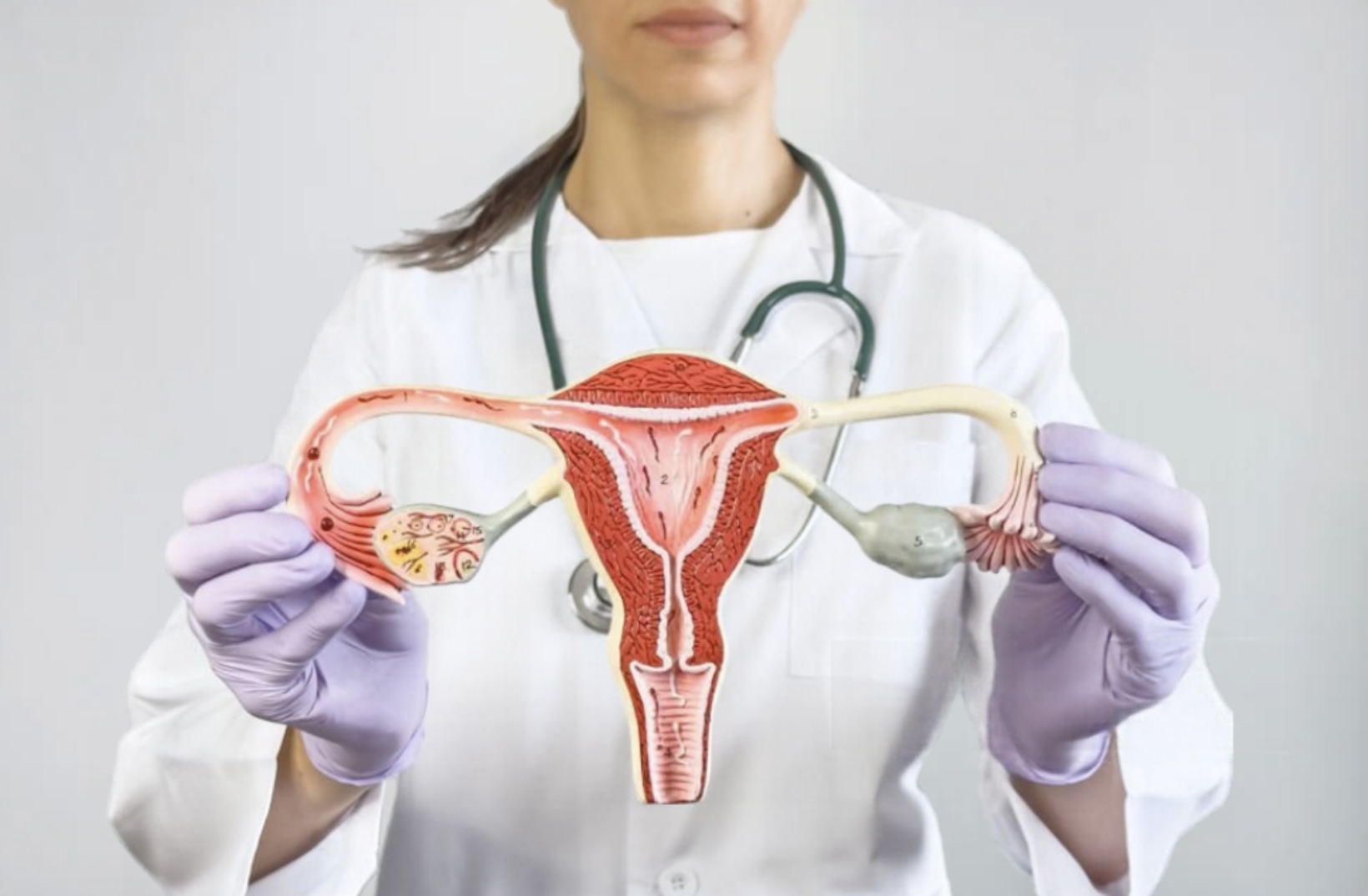
Endometriosis: Symptoms, Causes, Diagnosis, and Treatment
Menstrual pain is common among women. However, if the pain becomes severe enough to interfere with work, school, sleep, or daily activities, or if pain medication is regularly required, it should not simply be considered something that must be endured. Severe menstrual pain may be associated with a gynecological condition, including endometriosis.
Endometriosis is a chronic condition that commonly affects women of reproductive age. It can significantly affect quality of life, sexual health, mental well-being, and fertility. The World Health Organization (WHO) estimates that endometriosis affects approximately 10% of women of reproductive age, or around 190 million people worldwide.
Understanding the symptoms and seeking appropriate medical evaluation is therefore important, particularly for those experiencing severe menstrual pain, chronic pelvic pain, or difficulty becoming pregnant.
What Is Endometriosis?
Endometriosis is a condition in which tissue similar to the lining of the uterus grows outside the uterus.
Common locations include:
- The ovaries
- The fallopian tubes
- The pelvic lining
- The area behind the uterus
- Areas near the bowel or bladder
In some cases, endometriosis lesions may also occur outside the pelvic region.
These tissues can contribute to inflammation, scar tissue formation, adhesions, and chronic pain. When endometriosis affects the ovaries, it may form cysts known as endometriomas, commonly referred to as “chocolate cysts.”
Why Is Endometriosis Important?
Endometriosis does not affect women only during menstruation. Some people experience chronic pain that can interfere with everyday activities, work, relationships, sexual health, and mental well-being.
Symptoms can also vary considerably from person to person. Some women may have extensive endometriosis with relatively mild symptoms, while others may have limited disease but experience significant pain. Therefore, the severity of symptoms does not always correspond to the extent of the disease.
Endometriosis is also associated with infertility. According to the WHO, endometriosis is found in approximately 25–50% of women with infertility.
Causes and Factors Associated With Endometriosis
The exact cause of endometriosis remains unknown. Current evidence suggests that several mechanisms may contribute to its development rather than a single cause.
Possible mechanisms and associated factors being studied include:
- Retrograde menstruation: Menstrual blood containing endometrial-like cells may flow backward through the fallopian tubes into the pelvic cavity, where these cells may implant and grow.
- Genetic factors: People with a family history of endometriosis may have an increased risk of developing the condition.
- Immune system factors: Abnormalities in immune responses are being investigated for their potential role in the development of endometriosis.
- Hormonal factors: Estrogen plays an important role in the growth and activity of endometriosis lesions.
However, no single theory can fully explain all cases of endometriosis. Currently, there is also no proven method that can completely prevent the condition.
Symptoms of Endometriosis
Symptoms vary between individuals, and some people with endometriosis may have no symptoms at all.
Common symptoms include:
- Severe menstrual cramps, particularly when they interfere with daily activities
- Chronic pelvic pain
- Deep pain during or after sexual intercourse
- Pain during bowel movements, particularly during menstruation
- Pain or discomfort during urination in some cases
- Heavy menstrual bleeding or abnormal bleeding
- Bloating, nausea, or gastrointestinal symptoms
- Fatigue
- Difficulty becoming pregnant
The National Institute for Health and Care Excellence (NICE) recommends considering the possibility of endometriosis in people who experience menstrual pain that affects daily activities, chronic pelvic pain, pain during or after sexual intercourse, or cyclical gastrointestinal or urinary symptoms associated with menstruation.
When Should Menstrual Pain Raise Concern About Endometriosis?
Having menstrual pain does not necessarily mean that a person has endometriosis. However, medical evaluation should be considered if:
- Menstrual pain is severe enough to require time off work or school
- Pain becomes progressively worse
- Over-the-counter pain medication does not provide adequate relief
- Pelvic pain occurs even outside the menstrual period
- Sexual intercourse is painful
- Bowel movements or urination become painful, particularly during menstruation
- There is difficulty becoming pregnant
Keeping a record of symptoms, their severity, and how they relate to the menstrual cycle may help healthcare professionals assess the condition more effectively.
How Is Endometriosis Related to Infertility?
Endometriosis may contribute to infertility through several mechanisms, including inflammation within the pelvic cavity, scar tissue and adhesions, abnormalities affecting the ovaries or fallopian tubes, and other factors that may interfere with fertilization.
However, being diagnosed with endometriosis does not mean that pregnancy is impossible. Many women with endometriosis are able to conceive naturally, while others may require additional fertility evaluation or treatment.
Treatment decisions depend on several factors, including age, how long the person has been trying to conceive, other fertility-related factors, the severity of the condition, and individual reproductive goals.
When Should You See a Doctor?
Consider consulting a gynecologist if you experience symptoms suggestive of endometriosis, particularly if you have:
- Severe menstrual pain that interferes with daily life
- Chronic or recurrent pelvic pain
- Pain during sexual intercourse
- Pain during bowel movements or urination associated with menstruation
- Abnormally heavy menstrual bleeding
- Difficulty becoming pregnant
- Symptoms that do not improve or become progressively worse despite initial treatment
When to Seek Immediate Medical Attention
If you experience sudden and severe abdominal or pelvic pain, fainting or dizziness, high fever, persistent vomiting, or unusually heavy bleeding, seek urgent medical attention. These symptoms may be caused by other medical conditions that require immediate evaluation and treatment.
How Is Endometriosis Diagnosed?
Diagnosis usually begins with a detailed medical history. A healthcare professional may ask about the characteristics of the pain, menstrual cycle, menstrual flow, pain during intercourse, bowel or urinary symptoms, and fertility history.
Additional examinations may include:
- Pelvic Examination: A pelvic examination may help identify abnormalities, masses, or areas of tenderness. However, a normal pelvic examination does not completely rule out endometriosis.
- Ultrasound: Ultrasound, particularly transvaginal ultrasound, may help evaluate the ovaries and detect certain abnormalities, including endometriomas and some forms of endometriosis.
- Magnetic Resonance Imaging (MRI): MRI may be used in selected cases to help assess the location and extent of the disease, particularly when deep endometriosis is suspected or when detailed information is required for treatment planning.
- Laparoscopy: Laparoscopy allows healthcare professionals to directly examine endometriosis lesions and, in some cases, treat them during the same procedure. However, current clinical approaches do not require every patient to undergo surgery to confirm endometriosis before beginning treatment. Symptoms and medical imaging can also be used as part of the diagnostic and treatment-planning process.
Treatment for Endometriosis
There is currently no treatment that can guarantee a complete and permanent cure for endometriosis. Treatment therefore focuses on controlling symptoms, reducing the impact on daily life, and addressing fertility concerns according to each patient’s needs.
Treatment decisions are based on symptoms, age, the location and characteristics of the disease, potential treatment side effects, underlying medical conditions, and pregnancy plans.
1. Pain Management
Pain-relieving medications or nonsteroidal anti-inflammatory drugs (NSAIDs) may help reduce pain in some patients.
The choice of medication and duration of treatment should be based on individual health conditions and risk factors, particularly in people with underlying medical conditions or those taking other medications regularly.
2. Hormonal Treatment
Hormonal therapy may help reduce stimulation of endometriosis lesions and control pain in some patients. Treatment options that may be considered include:
- Combined hormonal contraceptives
- Progestins
- Certain hormone-releasing intrauterine systems
- Medications that act on the GnRH pathway
- Other hormonal therapies depending on the clinical indication
Some hormonal treatments are not suitable for people who are actively trying to become pregnant. Therefore, pregnancy plans should always be discussed with a healthcare professional before choosing a treatment.
3. Surgery
Surgery may be considered in certain situations, such as when symptoms are severe, medication does not provide adequate symptom control, lesions require surgical management, or fertility concerns are present.
Surgery may involve removing endometriosis lesions, adhesions, or associated cysts. However, endometriosis and its symptoms can recur after treatment.
4. Fertility Treatment
For people who wish to become pregnant, healthcare professionals may evaluate both endometriosis and other potential fertility factors.
Depending on the individual situation, treatment may include surgery or assisted reproductive technologies such as intrauterine insemination (IUI) or in vitro fertilization (IVF).
Self-Care for People With Endometriosis
Self-care cannot replace medical treatment, but it can form part of an overall approach to managing health and symptoms. Helpful measures may include:
- Keeping a record of symptoms and menstrual cycles to identify patterns
- Exercising at an appropriate level for your physical condition
- Getting adequate rest
- Eating a balanced and varied diet
- Taking care of mental well-being, as chronic pain can contribute to stress and emotional difficulties
- Following the recommended treatment plan and attending follow-up appointments
Evidence regarding specific diets, supplements, or alternative therapies for treating endometriosis remains limited. These approaches should therefore not be used as substitutes for medical treatment recommended by healthcare professionals.
Who Should Consult a Gynecologist?
Consider seeking medical evaluation if you:
- Have menstrual pain that interferes with daily activities
- Experience chronic pelvic pain
- Have recurring symptoms associated with your menstrual cycle
- Experience pain during sexual intercourse
- Have difficulty becoming pregnant
- Have previously been diagnosed with endometriosis and your symptoms have returned
- Are planning a pregnancy and have a history of endometriosis
- Have questions or concerns about medication, hormonal treatment, or treatment-related side effects
Earlier diagnosis and appropriate treatment may help manage symptoms and reduce their impact on quality of life. There is no need to wait until symptoms become severe before seeking medical advice.
Summary
Endometriosis is a chronic gynecological condition that can cause severe menstrual pain, chronic pelvic pain, pain during sexual intercourse, and fertility problems.
Menstrual pain that is severe enough to interfere with school, work, or everyday life should not simply be considered something that must be endured. If you experience severe menstrual pain or other symptoms that repeatedly occur in relation to your menstrual cycle, consider consulting a gynecologist for appropriate evaluation.
Treatment for endometriosis varies from person to person and may include pain management, hormonal therapy, surgery, and fertility treatment. The most appropriate treatment plan should be developed together with a healthcare professional based on symptoms, overall health, and individual fertility goals.
Prepared by: Dr. Arun Rattanaparikarn
References
- World Health Organization (WHO). Endometriosis
- National Institute for Health and Care Excellence (NICE). Endometriosis: Diagnosis and Management (NG73)
- American College of Obstetricians and Gynecologists (ACOG). Endometriosis