 TH
 EN
 CN
 JAP
 AR
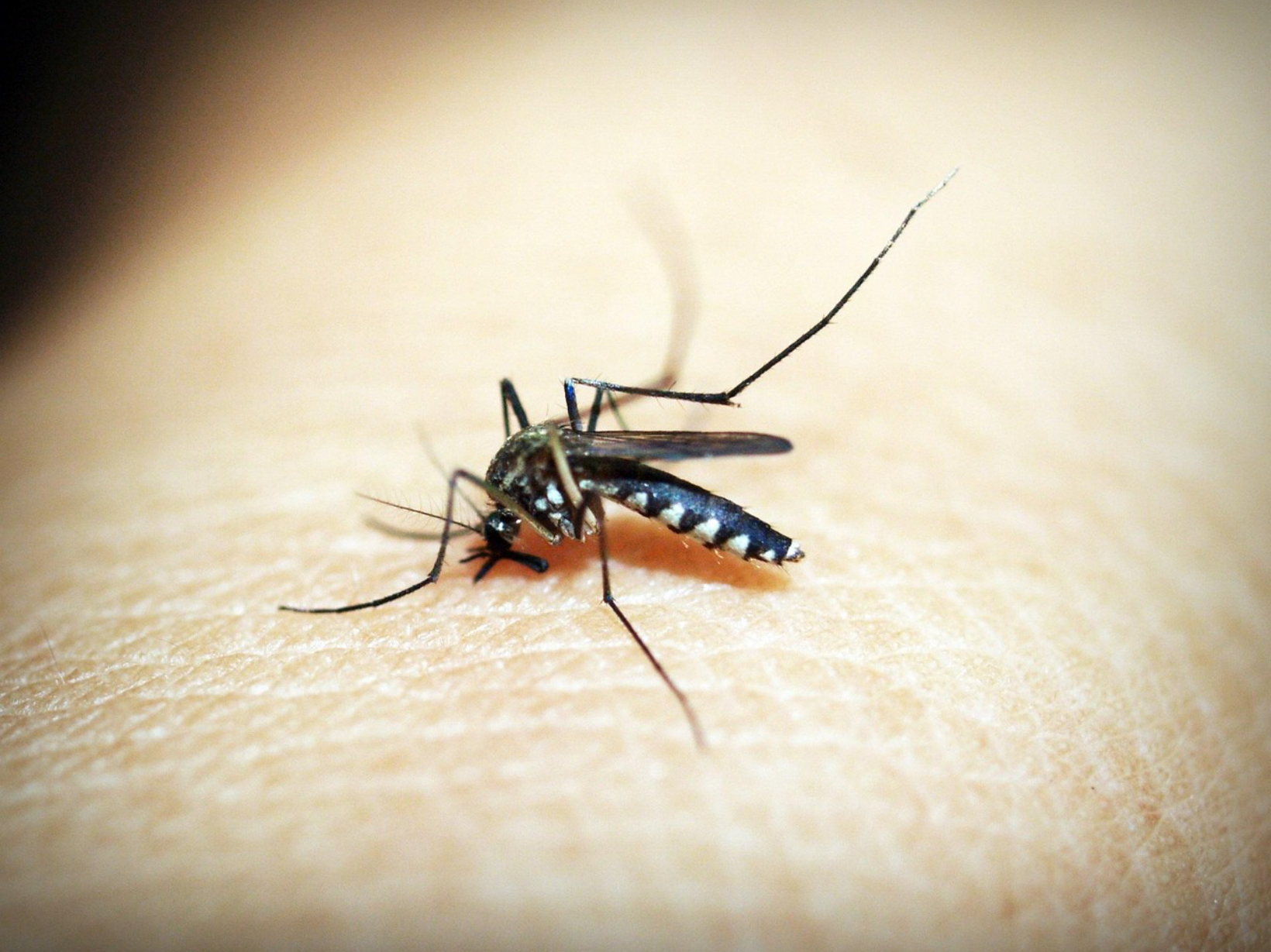
Malaria: Symptoms, Transmission, Treatment, and Prevention
Fever, chills, headache, and body aches may resemble the symptoms of many common infections. However, if these symptoms occur after traveling to or staying overnight in forested, mountainous, or malaria-endemic areas, they should not be ignored.
Malaria is an infectious disease caused by Plasmodium parasites. It is transmitted to humans primarily through the bites of infected female Anopheles mosquitoes. Malaria is treatable, but delayed diagnosis and treatment can allow certain types of the infection to progress to severe complications and potentially become life-threatening.
Recognizing the symptoms, understanding your travel-related risks, and seeking prompt medical evaluation are therefore important for effective malaria treatment.
What Is Malaria?
Malaria is an infectious disease caused by parasites of the genus Plasmodium. The parasites are transmitted to humans through the bites of infected female Anopheles mosquitoes.
Several species of malaria parasites can cause disease in humans, including:
- Plasmodium falciparum
- Plasmodium vivax
- Plasmodium malariae
- Plasmodium ovale
- Plasmodium knowlesi
Each species has different clinical characteristics and may require different treatment approaches. P. falciparum can cause severe and potentially fatal disease, while P. vivax can remain dormant in the liver and cause recurrent episodes of malaria.
According to Thailand’s Department of Disease Control, P. vivax accounts for the majority of malaria infections reported in Thailand.
How Is Malaria Transmitted?
The main route of malaria transmission is through the bite of an infected female Anopheles mosquito.
When an infected mosquito bites a person, the parasites enter the bloodstream and travel to the liver. After developing in the liver, the parasites re-enter the bloodstream and infect red blood cells. This stage of the infection is responsible for many of the symptoms associated with malaria.
Malaria is generally not transmitted from person to person through ordinary contact, coughing, sneezing, sharing food, or simply being near someone who has the disease.
In rare circumstances, however, malaria parasites may be transmitted through infected blood, such as through contaminated needles or blood transfusions.
Why Is Malaria Important?
Early symptoms of malaria can be nonspecific and resemble other infectious diseases. Patients may experience fever, headache, chills, and fatigue without immediately realizing that they have malaria.
If severe malaria develops, particularly from P. falciparum, delayed treatment can lead to serious complications.
The World Health Organization (WHO) notes that untreated P. falciparum malaria can rapidly progress to severe illness and death. Therefore, anyone who develops a fever after traveling to or staying in a malaria-risk area should always inform their doctor about their travel history.
Who Is at Risk of Malaria?
People who should be particularly cautious include:
- Those traveling to or staying overnight in malaria-endemic areas
- People working or participating in activities in forested or mountainous areas
- People staying in locations where exposure to Anopheles mosquitoes is likely
- Travelers visiting countries or regions where malaria transmission occurs
- Young children
- Pregnant women
- People with weakened immune systems
Travelers who have little or no immunity to malaria may be at increased risk of developing severe disease if infected.
Symptoms of Malaria
Early malaria symptoms may resemble those of many other infections. Common symptoms include:
- Fever
- Chills
- Headache
- Muscle aches or body aches
- Fatigue
- Nausea
- Vomiting
- Loss of appetite
- Gastrointestinal symptoms in some patients
Symptoms usually develop after an incubation period that varies according to the Plasmodium species and individual factors.
According to the WHO, symptoms commonly begin approximately 10–15 days after the bite of an infected mosquito. However, some malaria species can cause symptoms much later.
Malaria is sometimes associated with characteristic episodes of chills, followed by fever and sweating. However, not everyone with malaria develops a clearly recognizable cyclical fever pattern. Therefore, patients should not wait for this pattern to appear before seeking medical attention.
When Should You Seek Emergency Medical Attention?
Malaria can progress to severe disease. Anyone who suspects malaria should seek medical evaluation promptly, particularly if they have recently traveled to or stayed in a malaria-risk area.
Seek immediate medical attention if symptoms include:
- Severe weakness or rapidly worsening condition
- Drowsiness, confusion, or altered consciousness
- Seizures
- Difficulty breathing
- Dark or bloody urine
- Yellowing of the skin or eyes
- Abnormal bleeding
- Loss of consciousness
Severe malaria can cause serious complications, including severe anemia, kidney failure, neurological complications, and cerebral malaria.
How Is Malaria Diagnosed?
Malaria should not be diagnosed based on symptoms alone because many of its symptoms overlap with those of other infectious diseases.
A doctor will usually ask about factors such as:
- Places you have recently visited
- Whether you entered forested areas or stayed overnight in malaria-risk locations
- How long ago you returned from your trip
- The characteristics and duration of your fever
- Other accompanying symptoms
Blood testing is then used to detect malaria parasites. Depending on the clinical setting, testing may involve microscopic examination of blood or a Rapid Diagnostic Test (RDT).
The WHO recommends confirming suspected malaria cases with parasite-based diagnostic testing before treatment whenever possible.
Therefore, if you develop a fever after returning from a malaria-risk area, clearly informing healthcare professionals about your travel history can be crucial for diagnosis.
Treatment of Malaria
Malaria can be treated with antimalarial medicines, but the appropriate medication is not the same for every patient.
Doctors consider several factors when selecting treatment, including:
- The species of malaria parasite
- Severity of the infection
- Geographic area where the infection was likely acquired and local patterns of drug resistance
- Age and body weight
- Pregnancy
- Underlying health conditions
Some malaria species, including P. vivax and P. ovale, can have dormant liver stages. Additional treatment may therefore be required to reduce the risk of relapse.
Patients should take antimalarial medication at the prescribed dose, schedule, and duration. Treatment should not be stopped simply because the fever has resolved or symptoms have improved.
Patients should also avoid self-medicating with antimalarial drugs because the appropriate treatment depends on the malaria species and individual patient factors.
How to Prevent Malaria
An important part of malaria prevention is reducing exposure to Anopheles mosquito bites, particularly when staying in malaria-risk areas.
Preventive measures include:
- Wearing long-sleeved shirts and long trousers in areas where malaria transmission occurs
- Using mosquito repellents according to product instructions
- Sleeping under a mosquito net, particularly when staying overnight in forested, mountainous, or other high-risk areas
- Using insecticide-treated mosquito nets when appropriate
- Reducing exposure during periods when Anopheles mosquitoes are active
- Using window screens or staying in accommodations that reduce mosquito exposure
People planning to travel to malaria-endemic areas abroad should consult a doctor or travel medicine clinic in advance to determine whether preventive antimalarial medication is recommended.
Recommendations vary depending on the destination, specific location, type and duration of travel, and the traveler’s health.
What Should You Do After Returning From a Malaria-Risk Area?
After returning from an area where malaria transmission occurs, monitor yourself for possible symptoms.
If you develop fever, chills, headache, body aches, or unusual fatigue, seek medical attention and tell healthcare professionals that you recently traveled to or stayed overnight in a malaria-risk area.
Malaria should not automatically be ruled out simply because several weeks or months have passed since your trip. Some malaria species can cause symptoms later or lead to recurrent episodes.
Who Should Consult a Doctor or Healthcare Professional?
You should consult a doctor or healthcare professional if:
- You develop a fever after traveling to or staying overnight in a malaria-risk area
- You experience fever with chills, headache, or fatigue after visiting a forest or mountainous area
- You are planning to travel to a country or region where malaria transmission occurs
- You are pregnant and need to travel to a malaria-risk area
- You are caring for a young child, older adult, or person with an underlying health condition who may have been exposed to malaria
- You have previously been treated for malaria and later develop fever or other unusual symptoms again
If neurological symptoms, difficulty breathing, seizures, confusion, loss of consciousness, or rapid deterioration occur, seek emergency medical attention immediately.
สรุป
Malaria is an infectious disease caused by Plasmodium parasites and is transmitted to humans primarily through the bites of infected Anopheles mosquitoes.
Early symptoms such as fever, chills, headache, and fatigue can resemble those of many other infections. Travel history and exposure to malaria-risk areas are therefore important factors in recognizing possible infection.
Malaria is treatable, but some species can cause severe disease if diagnosis and treatment are delayed. Preventing mosquito bites and seeking prompt medical evaluation when fever develops after returning from a malaria-risk area are essential.
If malaria is suspected, do not attempt to diagnose or treat the infection on your own. Consult a healthcare professional for appropriate testing and treatment.
จัดทำโดย: Punyanooch Angkanawin, Pharmacist
แหล่งอ้างอิง
- World Health Organization (WHO). Malaria – Fact Sheet
- World Health Organization (WHO). WHO Guidelines for Malaria
- Department of Disease Control, Ministry of Public Health, Thailand. Malaria