 TH
 EN
 CN
 JAP
 AR
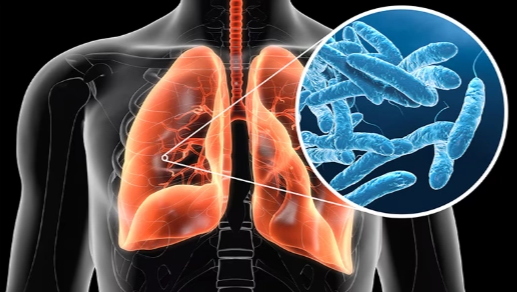
Legionnaires’ Disease: Symptoms, Causes, Transmission, Treatment, and Prevention
High fever, coughing, shortness of breath, and fatigue may be signs of pneumonia caused by various infectious agents. One of these conditions is Legionnaires’ disease, a bacterial infection associated with inhaling contaminated water droplets into the lungs.
This disease is particularly noteworthy because the bacteria may be present in water systems commonly found in everyday environments, such as showers, whirlpool baths, building plumbing systems, and cooling towers used in centralized air-conditioning systems. Without proper maintenance, these water systems may create conditions that allow the bacteria to multiply.
Although most people exposed to the bacteria do not become ill, older adults, smokers, and individuals with weakened immune systems may face a higher risk of developing severe infections.
Understanding the causes, symptoms, transmission routes, and preventive measures associated with Legionnaires’ disease is therefore essential for recognizing potential warning signs and seeking appropriate medical care.
What Is Legionnaires’ Disease?
Legionnaires’ disease is a type of pneumonia caused by bacteria belonging to the Legionella genus. The primary species responsible for the disease is Legionella pneumophila.
These bacteria occur naturally in freshwater environments, including rivers, lakes, and streams. Under natural conditions, bacterial concentrations are generally too low to cause illness. However, when Legionella enters human-made water systems with favorable environmental conditions, the bacteria may multiply to levels that pose a health risk.
Infection usually occurs when a person inhales tiny water droplets containing the bacteria. Once the bacteria enter the lungs, they may cause inflammation of lung tissue and interfere with oxygen exchange.
Legionella infections can cause two main types of illness:
1. Legionnaires’ Disease
This form of infection causes pneumonia. Patients may experience high fever, coughing, shortness of breath, and other symptoms. Some cases can become severe enough to require hospitalization.
2. Pontiac Fever
Pontiac fever is a milder illness characterized by flu-like symptoms, including fever, headache, muscle aches, and fatigue. Unlike Legionnaires’ disease, it does not cause pneumonia. Symptoms are generally mild and tend to resolve without specific treatment.
Although both conditions are caused by bacteria from the same genus, they differ in severity and treatment approaches.
Why Is Legionnaires’ Disease Important?
Legionnaires’ disease is an infection that requires appropriate diagnosis and treatment because it can cause severe pneumonia, particularly in individuals with underlying health risks.
When the lungs become inflamed, their ability to exchange oxygen may decrease, potentially causing breathlessness, difficulty breathing, and low blood oxygen levels.
In severe cases, complications may include:
- Respiratory failure: The lungs become unable to exchange oxygen adequately.
- Severe infection: The body’s response to infection may affect the functioning of multiple organs.
- Impaired kidney function: Kidney complications may occur alongside severe illness.
- Hospitalization: Some patients may require supplemental oxygen or breathing assistance.
Another important consideration is that the symptoms of Legionnaires’ disease closely resemble those of pneumonia caused by other pathogens. Therefore, the cause cannot be determined from symptoms or chest X-rays alone.
If a patient has relevant risk factors or a history of exposure to potentially contaminated water sources, a physician may recommend additional testing for Legionella to ensure appropriate treatment.
Causes and Transmission of Legionnaires’ Disease
Legionnaires’ disease is caused by infection with Legionella bacteria, which can multiply in certain water systems, particularly those with inadequate water circulation or insufficient maintenance.
Potential Sources of Legionella Bacteria
These bacteria can grow in human-made water systems, including:
- Showers and faucets: Particularly when bacteria accumulate in plumbing systems and contaminated water droplets are released during use.
- Whirlpool baths and hot tubs: Warm water and the production of water droplets may facilitate bacterial transmission if these facilities are not properly maintained.
- Cooling towers: Components of heat-rejection systems used in large buildings and industrial facilities.
- Decorative fountains: Recirculating water systems that produce water droplets may become potential sources of infection.
- Large building plumbing systems: Such as those found in hotels, hospitals, and office buildings with complex water distribution networks.
The presence of these water systems does not necessarily mean that Legionella bacteria are present. The level of risk depends on bacterial concentrations, water system conditions, maintenance practices, and the health characteristics of exposed individuals.
Factors That Promote Legionella Growth
Legionella bacteria may multiply more readily when water systems provide favorable conditions, such as:
- Water temperatures suitable for bacterial growth, particularly approximately 25–45°C.
- Poor water circulation or stagnant water, allowing water to remain in pipes for extended periods.
- Biofilm accumulation, which refers to layers of microorganisms attached to surfaces inside water systems that may help protect bacteria.
- Insufficient disinfectant levels, making bacterial growth more difficult to control.
- Inadequate inspection and maintenance of water systems.
Can Legionnaires’ Disease Spread From Person to Person?
Legionnaires’ disease generally does not spread from person to person in the same way as certain respiratory infections.
Most infections occur through inhalation of contaminated water droplets into the lungs. In some cases, infection may also occur when contaminated water is accidentally aspirated into the respiratory tract.
Therefore, drinking water contaminated with Legionella is not considered a primary route of infection when the water enters the stomach normally.
In addition, household and vehicle air-conditioning units that do not use water in their cooling processes are not considered sources of Legionella growth in the same way as water-based cooling towers used in centralized air-conditioning systems.
Who Is at Risk of Legionnaires’ Disease?
Although anyone may be exposed to Legionella bacteria, exposure does not necessarily result in illness. Certain individuals may be more susceptible due to specific health-related risk factors.
1. Adults Aged 50 and Older
Increasing age may be associated with changes in immune function and a greater likelihood of underlying medical conditions, potentially increasing susceptibility to infection.
2. Current and Former Smokers
Smoking affects the respiratory system and the lungs’ natural mechanisms for removing foreign particles, making it a contributing risk factor for infection.
3. People With Chronic Lung Diseases
Conditions such as chronic obstructive pulmonary disease (COPD) or emphysema may make the respiratory system more vulnerable to infection.
4. People With Weakened Immune Systems
This includes individuals with cancer, organ transplant recipients, and those taking immunosuppressive medications.
5. People With Certain Underlying Medical Conditions
Conditions such as diabetes, chronic kidney disease or kidney failure, and liver disease may increase the risk of illness following exposure.
Additionally, individuals who have recently stayed in hotels, received care in healthcare facilities, or used whirlpool baths may have a relevant history of environmental exposure if the water systems at those locations were contaminated.
Symptoms of Legionnaires’ Disease to Watch For
Symptoms of Legionnaires’ disease typically develop approximately 2–14 days after exposure, although the incubation period may occasionally be longer.
Because its symptoms resemble those of pneumonia caused by other pathogens, medical testing is necessary to confirm the diagnosis.
Common Symptoms
- Fever, sometimes accompanied by high fever and chills
- Coughing, which may be dry or produce mucus
- Headache
- Muscle aches
- Fatigue or general weakness
- Shortness of breath or difficulty breathing
- Chest pain, particularly when breathing or coughing
Other Possible Symptoms
In addition to respiratory symptoms, some patients may experience symptoms affecting other body systems, such as:
- Nausea
- Diarrhea
- Abdominal pain
- Loss of appetite
- Confusion or changes in mental status
Gastrointestinal symptoms and confusion may occur in patients with Legionnaires’ disease. However, these symptoms are not specific enough to confirm the condition without medical evaluation.
When Should You Seek Immediate Medical Attention?
Because Legionnaires’ disease can cause severe pneumonia, individuals experiencing symptoms suggestive of pneumonia should be evaluated by a healthcare professional, especially if they have additional risk factors.
Seek immediate medical attention if any of the following symptoms occur:
- Severe difficulty breathing, unusually rapid breathing, or breathlessness even at rest
- Unusual bluish discoloration of the lips or fingertips
- Severe chest pain
- Confusion, reduced alertness, or changes in consciousness
- Extreme weakness that interferes with normal daily activities
- Fever and coughing accompanied by rapidly worsening shortness of breath
Older adults, immunocompromised individuals, and people with chronic lung diseases should seek medical evaluation promptly if they develop fever, coughing, or other unusual symptoms after exposure to a potentially contaminated water source, even if their initial symptoms are mild.
How Is Legionnaires’ Disease Diagnosed?
Diagnosing Legionnaires’ disease requires a combination of clinical information and laboratory investigations because its symptoms alone cannot reliably distinguish it from other forms of pneumonia.
1. Medical History and Physical Examination
The physician will review the patient’s symptoms, when they began, underlying medical conditions, medications, and any history of potential exposure to Legionella bacteria.
Relevant exposure history may include overnight travel within the 14 days before symptom onset, use of whirlpool baths, or recent stays in healthcare facilities.
2. Chest X-ray
A chest X-ray helps determine whether findings consistent with pneumonia are present and identify areas of lung involvement.
However, a chest X-ray cannot confirm that Legionella is the cause of the infection. Additional testing may therefore be necessary.
3. Urinary Antigen Test
The urinary antigen test detects certain components of Legionella bacteria in a urine sample. This test can provide rapid diagnostic information. However, it primarily detects Legionella pneumophila serogroup 1 and may not identify infections caused by all Legionella species.
4. Respiratory Sample Testing
A physician may collect sputum or other lower respiratory tract samples for bacterial culture or molecular testing. These tests are important because they may identify Legionella species that are not detected by standard urinary antigen tests.
5. Assessment of Disease Severity
In patients with severe symptoms, physicians may measure blood oxygen levels, perform blood tests to evaluate organ function, and order additional investigations as needed.
Treatment of Legionnaires’ Disease
Legionnaires’ disease is a bacterial infection that can be treated with antibiotics. However, patients require medical assessment to determine the most appropriate treatment approach.
1. Antibiotic Treatment
The primary treatment involves antibiotics that are effective against Legionella bacteria. Depending on the patient’s condition, physicians may consider antibiotics from the macrolide or respiratory fluoroquinolone classes.
The choice of medication, dosage, route of administration, and treatment duration depends on several factors, including:
- Severity of the infection
- Patient’s age
- Underlying medical conditions
- Kidney and liver function
- History of drug allergies
- Other medications currently being taken
- Response to treatment
Patients should not purchase or take antibiotics without medical advice. Some antibiotics commonly used to treat other forms of pneumonia may not provide adequate coverage against Legionella, and inappropriate antibiotic use may delay effective treatment.
2. Supportive Care
Depending on the severity of the illness, patients may require additional supportive care, such as:
- Supplemental oxygen when blood oxygen levels are low
- Intravenous fluids or other fluid management as appropriate
- Fever-reducing medication or symptom relief under medical guidance
- Monitoring of respiratory function and other vital organs
Patients who develop respiratory failure or other severe complications may require treatment in an intensive care unit.
3. Follow-Up After Treatment
Recovery time varies depending on disease severity and the patient’s overall health. Some patients may continue to experience fatigue or breathlessness even after the infection begins to improve. Adequate rest and adherence to medical follow-up recommendations are therefore important.
If fever, coughing, or breathing difficulties return or worsen, patients should seek further medical evaluation.
How to Reduce the Risk of Legionnaires’ Disease
Preventing Legionnaires’ disease primarily involves controlling the growth and spread of Legionella bacteria in water systems. Because the bacteria can survive in plumbing systems and water-containing equipment, appropriate water system management plays an important role in disease prevention.
1. Maintain Building Water Systems Regularly
Building managers should implement a Water Management Program to control conditions that may promote Legionella growth. Appropriate measures may include monitoring water temperatures, maintaining disinfectant levels, preventing water stagnation, and ensuring proper plumbing maintenance.
2. Clean and Maintain Whirlpool Baths and Related Equipment
Whirlpool baths and hot tubs should be cleaned, disinfected, and monitored according to appropriate water quality standards. Users should choose facilities that maintain their water systems regularly and avoid whirlpool baths that appear unclean or raise concerns about maintenance practices.
3. Inspect and Maintain Cooling Towers
Large buildings that use cooling towers as part of their air-conditioning systems should ensure that these facilities are regularly inspected, cleaned, and maintained by qualified professionals.
4. Minimize Water Stagnation in Plumbing Systems
Water remaining in pipes for extended periods may create conditions that favor the growth of certain bacteria. Water system operators should assess water circulation and implement appropriate measures based on the building’s characteristics, particularly in areas that have remained unused for long periods.
5. Take Additional Precautions for High-Risk Individuals
Older adults, people with weakened immune systems, and individuals with chronic lung diseases should pay particular attention to the quality of water sources and equipment capable of producing water droplets. If unusual symptoms develop after using a whirlpool bath, staying in a hotel, or visiting a location with potentially contaminated water systems, individuals should inform their physician about these possible exposures.
6. Maintain Good Overall Health
Avoiding smoking, managing underlying medical conditions, and maintaining general health may help reduce certain risk factors associated with severe infections. However, personal health measures cannot replace effective Legionella control in water systems.
Who Should Consult a Doctor or Healthcare Professional?
Anyone experiencing symptoms suggestive of Legionnaires’ disease should seek medical evaluation, particularly in the following situations:
- Fever, coughing, and shortness of breath occur together
- Symptoms resembling pneumonia develop after traveling or staying overnight in a hotel
- Unusual symptoms occur after using a whirlpool bath or hot tub
- The individual has chronic lung disease, diabetes, kidney disease, or another underlying condition that increases infection risk
- The individual is an older adult or has a weakened immune system
- Pneumonia symptoms do not improve after initial treatment
- The individual is aware of possible exposure to a water source associated with Legionella contamination
Providing information about recent travel, accommodation, and possible exposure to potentially contaminated water systems can help physicians select appropriate diagnostic investigations.
Frequently Asked Questions About Legionnaires’ Disease
Can Legionnaires’ Disease Spread From Person to Person?
Legionnaires’ disease generally does not spread from person to person. Most infections occur when a person inhales water droplets contaminated with Legionella bacteria into the lungs.
Can Air Conditioning Cause Legionella Infection?
Household and vehicle air-conditioning units that do not use water for cooling are not considered sources of Legionella growth in the same way as cooling towers. However, certain centralized air-conditioning systems use water-based cooling towers, which may become sources of Legionella exposure if they are not properly maintained.
Can Legionnaires’ Disease Be Treated?
Legionnaires’ disease can be treated with appropriate antibiotics. However, treatment outcomes depend on disease severity, the patient’s underlying health, and how quickly treatment is initiated. Individuals with symptoms suggestive of pneumonia should therefore seek medical attention promptly.
Does Everyone Exposed to Legionella Become Ill?
No. Most people exposed to Legionella bacteria do not develop illness. The risk depends on several factors, including immune function, age, underlying medical conditions, and the nature of the exposure.
How Is Legionnaires’ Disease Different From Influenza or Other Types of Pneumonia?
Legionnaires’ disease is caused by Legionella bacteria and results in pneumonia, whereas influenza is caused by a virus. Pneumonia itself can be caused by various infectious organisms. Because some symptoms overlap, medical testing is necessary to identify the underlying cause accurately.
สรุป
Legionnaires’ disease is a form of pneumonia caused by Legionella bacteria. Infection typically occurs through inhalation of contaminated water droplets from sources such as showers, whirlpool baths, cooling towers, and plumbing systems in large buildings.
Common symptoms include fever, coughing, muscle aches, and shortness of breath. Gastrointestinal symptoms may also occur. Older adults, smokers, individuals with chronic lung diseases, and those with weakened immune systems are among the groups that should take particular precautions.
Although Legionnaires’ disease can be treated with antibiotics, early diagnosis and appropriate treatment are essential for reducing the risk of complications.
Maintaining clean water systems, performing regular equipment maintenance, and recognizing unusual symptoms following potential exposure are important measures for reducing the risk of infection. Anyone experiencing fever accompanied by coughing and difficulty breathing should seek medical attention promptly.
จัดทำโดย: ภญ. ปุณยนุช อังคะนาวิน
แหล่งอ้างอิง
- Centers for Disease Control and Prevention (CDC). About Legionnaires' Disease
- Centers for Disease Control and Prevention (CDC). How Legionella Spreads
- Centers for Disease Control and Prevention (CDC). Clinical Guidance for Legionella Infections