182 จำนวนผู้เข้าชม |
04/05/2026
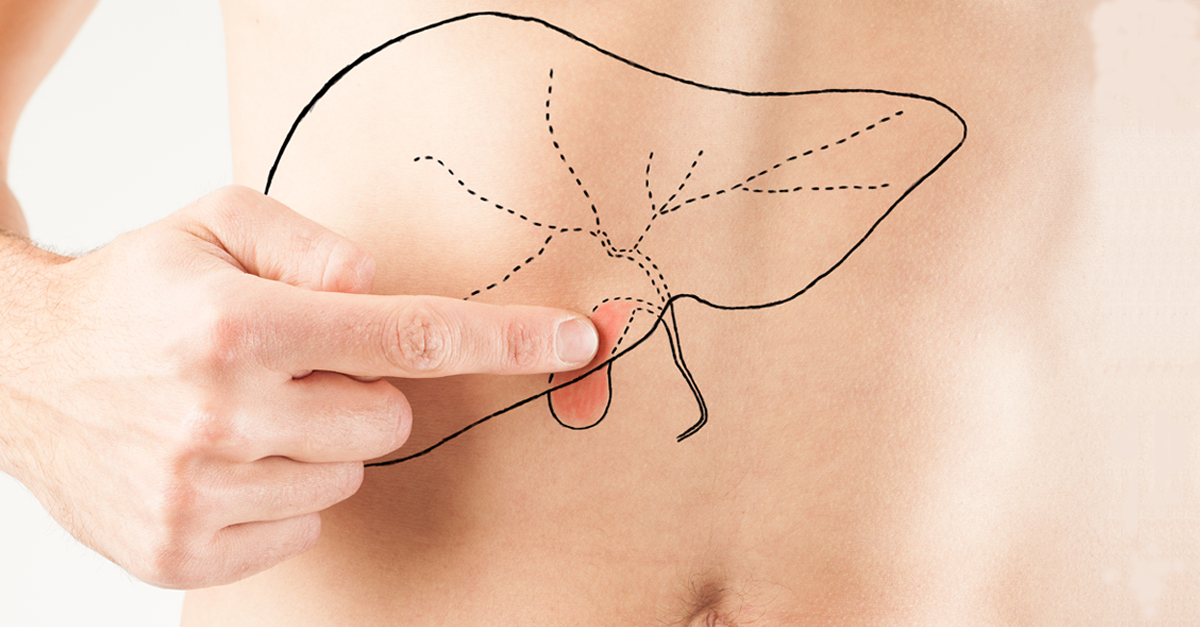
Gallstones are a condition in which the components of bile crystallize and form solid masses. It is a commonly found digestive system disease. Many people may confuse it with urinary tract stones, which have causes, symptoms, and complications that differ greatly from gallstones.
The exact cause of gallstones has not yet been identified, but certain factors have been found to increase the likelihood of bile components crystallizing into stones, including:
Most gallstones do not show any symptoms and are often discovered incidentally during an ultrasound examination. However, in more severe cases, symptoms typically occur after eating dinner or during the night and should promptly visit a doctor. These include:
Gallstones cannot be treated with lithotripsy (shock wave) machines. Medication to dissolve stones is only effective for certain types of gallstones, and in most cases requires long-term use with stones likely to return once the medication is stopped. Therefore, the best treatment is surgical removal of the gallbladder. Removing the gallbladder has no effect on digestion, because bile is produced by the liver — the gallbladder simply serves as a storage reservoir for bile. Today, gallbladder removal can be performed using laparoscopic (keyhole) surgery, which allows patients to recover quickly due to the small incisions, resulting in less pain. Hospital stay is only 1–2 days, and most patients can return to normal work within about 1 week. However, in cases where the gallbladder has been acutely inflamed for more than 3 days, or where previous inflammation has occurred, laparoscopic surgery may not be feasible and open abdominal surgery may be required instead, resulting in a longer hospital stay and extended recovery time.
Gallstones are a condition caused by the crystallization of substances in bile, forming solid masses. They are commonly found, particularly in women, overweight individuals, or those who consume high-fat diets. Most cases show no symptoms, but when symptoms do occur, they typically include pain in the right upper abdomen, bloating, and nausea.
The best treatment is surgical removal of the gallbladder, especially through laparoscopic surgery, which allows for faster recovery. Therefore, if any abnormal symptoms arise, it is important to see a doctor promptly for appropriate treatment.
Prepared by: ภญ.ปุณยนุช อังคนาวิน
Source: Mahidol University, Faculty of Medicine Siriraj Hospital, Kanchanaphisek Medical Center
© 2026 Siammerx Co., Ltd
 TH
TH EN
EN CN
CN JAP
JAP AR
AR