What is Urticaria
What is Urticaria
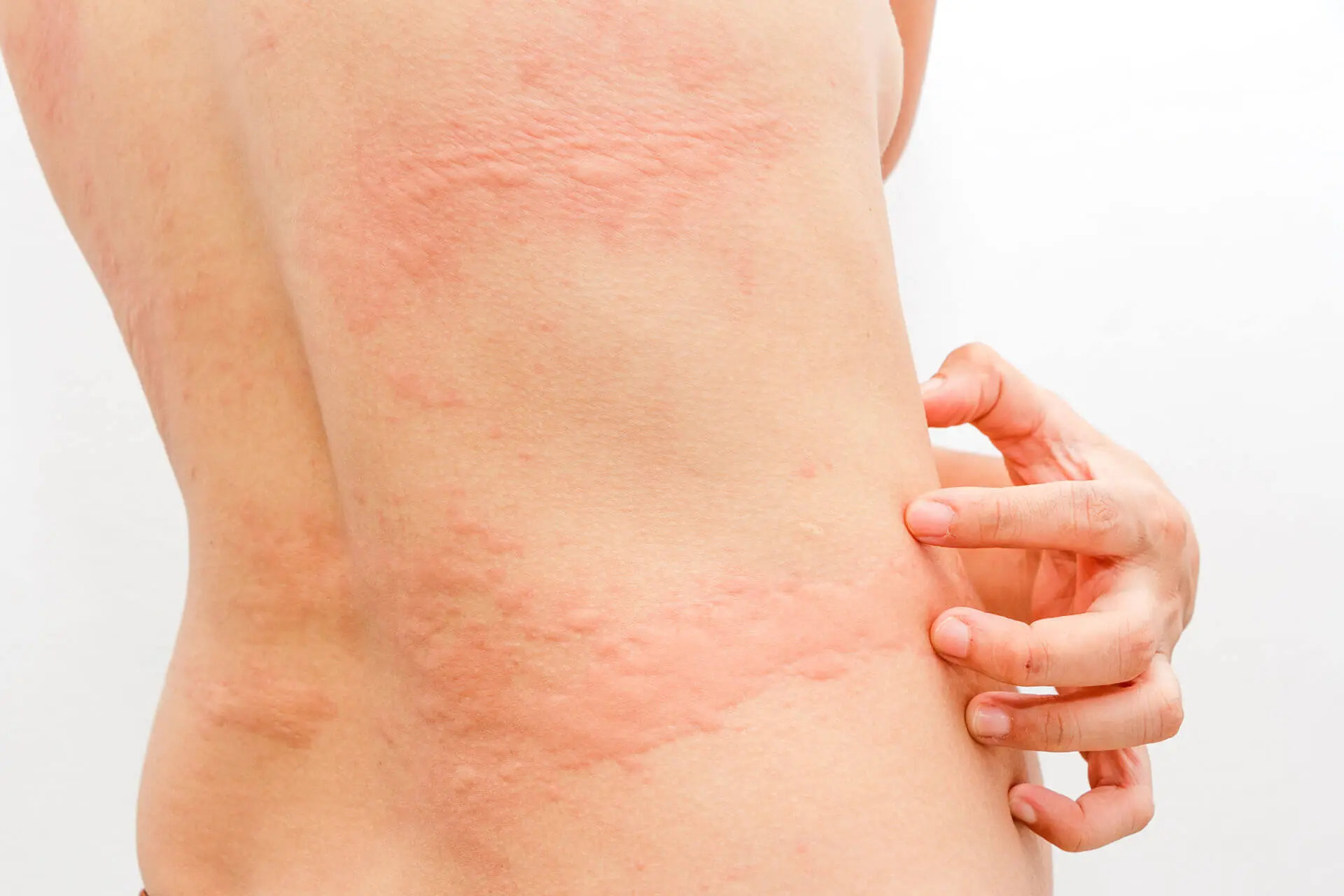
Urticaria (hives) is a skin condition that can affect people of all genders and ages. It appears as raised, swollen, red patches or welts on the skin, accompanied by intense itching, and may vary in size and shape.
Hives occur when the body releases a key chemical called histamine from skin cells, causing the blood vessels beneath the skin to dilate and fluid to leak into the surrounding skin tissue, resulting in the characteristic raised, swollen welts. However, most hive outbreaks tend to fade on their own within 24 hours, leaving no marks behind.
How Many Types of Urticaria Are There?
Urticaria (hives) can be classified by duration into two types: Acute Urticaria and Chronic Urticaria — each with distinct characteristics and disease progression.
- Acute Urticaria is hives that last no longer than 6 weeks. It typically presents as red, raised, itchy welts and usually resolves on its own within 1 week. In some cases, symptoms may become more severe, such as swelling of soft tissue (angioedema), but can generally be managed and relieved.
- Chronic Urticaria is hives that persist for more than 6 weeks, occurring multiple times per week and potentially lasting over a year. This type often has no clearly identifiable cause, sometimes triggered by allergens or an abnormally functioning immune system — requiring close monitoring and appropriate medical treatment.
What Causes Urticaria?
Urticaria does not stem from a single cause. It results from the body's reaction to a wide variety of triggers — both internal and external — that prompt cells to release histamine. Common causes include:
- Food: Food allergies are a leading cause of acute urticaria, particularly seafood, eggs, milk, nuts, and certain food additives.
- Medication: Certain drugs such as antibiotics, NSAIDs, some painkillers, and blood pressure medications like ACE inhibitors can trigger hives.
- Infection: Viral infections (such as the common cold), bacterial infections, fungi, or parasites can provoke urticaria, especially in children.
- Environmental allergens: Pollen, dust mites, pet dander, insect stings, or chemical contact can all act as triggers.
- Physical factors: Hives may be triggered by physical changes such as cold, heat, sunlight, pressure, vibration, or even sweat.
- Autoimmune conditions and illness: In cases of chronic urticaria with no identifiable cause, immune system dysfunction or underlying conditions such as thyroid disease or lupus may be involved.
Symptoms of Urticaria
Urticaria symptoms may be different depending on the person, ranging from mild itchy rashes to severe reactions affecting other body systems. Common symptoms patients typically notice include:
- Raised red or pink welts: The hallmark of hives. Welts appear as swollen, elevated patches with irregular sizes but clearly defined borders. When pressed in the center, the welt temporarily turns pale.
- Intense itching: Hives are almost always accompanied by severe itching that can significantly disrupt daily life and sleep.
- Come-and-go pattern: Welts generally fade within 24 hours in the same spot without leaving marks or scars. However, new welts can continuously appear elsewhere, causing symptoms to persist for days or weeks.
- Soft tissue swelling (Angioedema): Some patients develop deep swelling beneath the skin, commonly affecting the lips, eyelids, tongue, genitals, hands, or feet. This feels more like tightness and pain than itching.
- Severe allergic reaction (Anaphylaxis): A medical emergency that may occur alongside hives. Warning signs requiring immediate treatment include rapid swelling of the tongue or throat causing difficulty breathing, chest tightness, dizziness, low blood pressure, or loss of consciousness. Seek medical attention immediately if these occur.
Urticaria and Diagnosis
Diagnosis primarily relies on detailed medical history and physical examination of the rash. For chronic or severe cases, further investigation may be needed. Diagnostic steps include:
- Medical history and physical exam: The doctor will ask about the type (acute or chronic), duration, suspected triggers such as food, medication, or stress, and any other medical conditions to help narrow down the cause.
- Blood tests: May be conducted to check inflammation markers, organ function (liver, kidneys), or thyroid hormone levels to identify underlying causes of chronic urticaria.
- Skin prick test: Used to identify specific allergens potentially causing acute urticaria, such as food or pollen, by applying allergen extracts to the skin and pricking it with a small needle to observe the reaction.
- Challenge tests: For urticaria triggered by physical factors such as cold or exercise, the doctor may directly expose the skin to that specific trigger to confirm the type of urticaria.
- Radiological imaging (CT scan and MRI): Not used for direct diagnosis of urticaria, but may be employed in cases where symptoms are suspected to stem from an internal condition, or where severe angioedema affects internal organs, to rule out complications or identify underlying disease.
How Is Urticaria Treated?
The main goals of treatment are to relieve itching and inflammation, and to prevent recurrence. The chosen approach depends on the type and severity of the condition. Treatment options include:
- Antihistamines: The primary and most fundamental treatment. These medications block the action of histamine — the substance responsible for hives and itching. Doctors may prescribe both sedating and non-sedating antihistamines at standard or higher doses to manage chronic urticaria.
- Avoiding triggers: The single most important part of managing hives. Patients must identify and avoid foods, medications, or environmental factors that provoke their symptoms to prevent recurrence.
- Corticosteroids: Used in cases of severe acute urticaria, or when angioedema or anaphylaxis is present. Administered short-term to rapidly reduce severe inflammation.
- Immunosuppressants and biologics: For chronic urticaria patients who do not respond to antihistamines even at high doses, doctors may consider biologics such as Omalizumab or other immunosuppressive agents for long-term symptom control.
- Emergency treatment: If a patient experiences anaphylaxis related to urticaria, epinephrine (adrenaline) is administered immediately alongside other supportive measures to manage the emergency.
Summary
Urticaria is classified into two types: acute urticaria, where symptoms appear and resolve within 6 weeks, and chronic urticaria, where symptoms recur for longer than 6 weeks. Diagnosis focuses on medical history and blood tests, though in suspected complicated cases, CT scan or MRI may be used to identify underlying causes. The primary treatments are antihistamines and trigger avoidance. For chronic urticaria, consultation with a dermatology specialist is recommended for targeted, individualized care.
Prepared by ภญ ปุณยนุช อังคะนาวิน
 TH
TH EN
EN CN
CN JAP
JAP AR
AR