Bow Legs: What Are They, Are They Dangerous, and How to Treat and Prevent Them
What Are Bow Legs and How Many Types Are There?
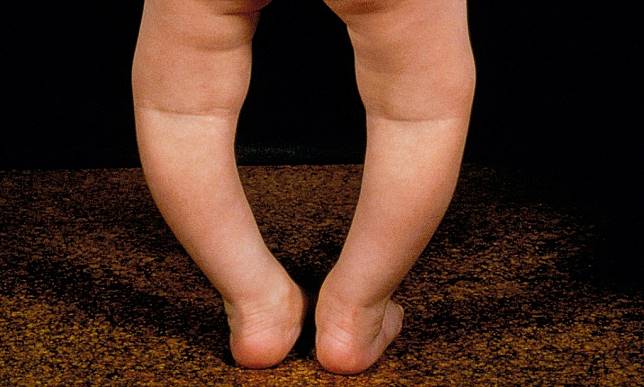
Bow legs refer to a structural abnormality of the knee and leg bones that disrupts the body's weight-bearing alignment. When standing with feet together, the knees either fail to meet or overlap abnormally out of shape. Medically, this deformity is classified into two types based on the direction of bone misalignment:
O-Type Bow Legs (Genu Varum)
The more common of the two types. When standing with feet together, the knees cannot meet, causing the legs to curve outward resembling the letter O. This type may be linked to hereditary factors or age-related changes in bone structure, affecting lower limb alignment and weight distribution across the knee joint. If left uncorrected, it can progress into more severe deformity, impacting gait and long-term knee health.
X-Type Bow Legs (Genu Valgum)
Known in Thai as "kha ching," this type is the opposite of the first. When attempting to bring both knees together, the ankles splay apart and cannot meet, giving the legs an appearance that angles inward like the letter X. In this type, the body's weight-bearing load shifts excessively to the outer side of the knee joint, increasing the risk of future knee degeneration and making balance instability more likely.
What Causes Bow Legs?
Bow legs can stem from multiple contributing factors — both structural and lifestyle-related. The main causes can be summarized as follows:
- Genetics and congenital abnormalities: Some individuals have abnormal growth of the inner shinbone, known as Blount Disease, which is commonly found in children and is a significant hereditary cause of early-onset abnormal bone curvature.
- Age-related joint degeneration: Osteoarthritis is a primary cause of bow legs in older adults. As joint cartilage wears down, the space between the joints narrows, gradually shifting and curving the bone alignment outward.
- Obesity:Excess body weight places enormous pressure on the knee joint, particularly on the inner side, causing the bone and joint structure to bear excessive load and slowly deform into bow legs over time.
- Injury and trauma: Severe accidents such as fractures around the knee or ligament damage can cause bones to heal incorrectly or lead to joint instability, resulting in bow legs later on.
- Metabolic disorders and nutritional deficiencies:Severe deficiencies in vitamin D and calcium can lead to rickets in children or osteomalacia in adults, weakening bone density and making bones prone to bending under load.
What Symptoms Can Bow Legs Cause?
Bow legs don't just affect appearance, this structural abnormality can directly impact the bones and joints throughout the entire body, causing pain in various areas:
- Chronic inner knee pain: The bowed leg structure creates an imbalanced weight-bearing alignment, concentrating excessive pressure on the medial compartment of the knee joint. This leads to inflammation and accelerated wear. Those affected often experience pain and fatigue after prolonged standing or walking, and tend to develop knee pain more easily than others during even light exercise.
- Hip and lower back pain:When the body's foundation is unbalanced, it compensates by adjusting gait, forcing the back and hip muscles to work harder and causing pain that can radiate up to the spine. In some cases, nerve compression may cause pain to shoot down the leg, a warning sign that the body's structural alignment is significantly compromised.
- Knee laxity and balance problems: The ligaments supporting the knee joint in people with bow legs can become stretched or loose, making the knee feel unstable as though it might give way while walking and increasing the risk of ankle sprains.
- Premature knee degeneration: If left uncorrected over a long period, joint cartilage deteriorates rapidly, the degree of bowing progressively worsens, bone spurs develop, and the condition ultimately leads to severe osteoarthritis.
Can Bow Legs Be Treated?
Yes, treatment depends on age and severity, with the doctor evaluating the most appropriate approach for each individual. There are three main treatment options:
1. Consultation with an Orthopedic Specialist
The essential first step is a thorough medical evaluation of the bone structure, including X-rays to assess the mechanical axis and measure the degree of curvature, allowing for a precisely targeted treatment plan. If pain is present, the doctor may prescribe NSAIDs to reduce acute swelling and discomfort before determining the next course of action.
2. Physical Therapy
For mild to moderate cases, or to slow the progression of degeneration, physical therapy plays a key role. Therapists use rehabilitative equipment such as ultrasound or laser therapy to reduce tissue inflammation, combined with targeted exercises to strengthen the quadriceps and surrounding knee muscles — enabling them to better support the joint and bear weight in place of the bowed bone structure.
3. Lifestyle Adjustments and Assistive Devices
For initial self-management to prevent worsening, the key steps include maintaining a healthy body weight to reduce pressure on the inner knee joint, using lateral wedge insoles designed to rebalance weight distribution, and avoiding postures that place excessive strain on the knees such as sitting cross-legged, kneeling flat, or squatting, all of which can accelerate deformity.
Can Bow Legs Be Prevented?
Asking how to fix bow legs is often a question that comes too late. In reality, the risk and severity can be reduced with the right preventive measures. Groups that should pay special attention to prevention include:
- Young children and those still growing:This is the stage when bones are actively developing. Insufficient nutrition, particularly calcium and vitamin D, can lead to rickets, weakening the bones and causing them to curve into bow leg deformity. Parents should ensure a well-balanced diet and take children out for gentle sun exposure to naturally stimulate vitamin D production.
- Overweight individuals: Excess body weight is one of the greatest threats to knee health, causing cumulative pressure to build up on the inner joint surface, accelerating cartilage wear and gradually deforming the knee structure into bow legs. Maintaining a healthy weight is therefore the most effective protective measure.
- Elderly people and those at risk of knee degeneration: As the body ages, some degree of deterioration is inevitable. However, progression into bow legs can be slowed by avoiding habits that strain the knees such as prolonged squatting, sitting with legs folded flat, or sitting cross-legged, all of which accelerate joint degeneration and bowing.
Summary
Bow legs are not merely a cosmetic concern; they represent a structural misalignment of the bones and knee joint that can affect gait, balance, and significantly increase the risk of knee degeneration. If you experience knee pain, an abnormal walking pattern, or notice that your legs are beginning to bow, it is important to consult a doctor early for a proper assessment and a timely, appropriate treatment plan.
จัดทำโดย: ผช นพ ภราดร ว่องวิกย์การ
Source:Praram 9 Hospital
 TH
TH EN
EN CN
CN JAP
JAP AR
AR