Flu Symptoms - Be Aware and Take Good Care of Yourself
Flu Symptoms
Be Aware and Take Good Care of Yourself
Influenza, commonly known as the flu, is a contagious respiratory illness caused by influenza viruses. It's especially common during colder months or times of sudden weather changes. While it's a
common illness, flu symptoms can be more intense than a regular cold. Knowing what to look out for and how to take care of yourself can help you recover faster and prevent spreading the virus to others. In this article, we'll walk you through flu symptoms, how to prevent it, and the best ways to take care of yourself if you catch it.
What is the Flu?
The flu is a viral infection that affects your nose, throat, and lungs. It spreads mainly through droplets when someone with the virus coughs or sneezes. There are several strains of the influenza virus, and symptoms can vary depending on which one causes the infection.
Common Flu Symptoms
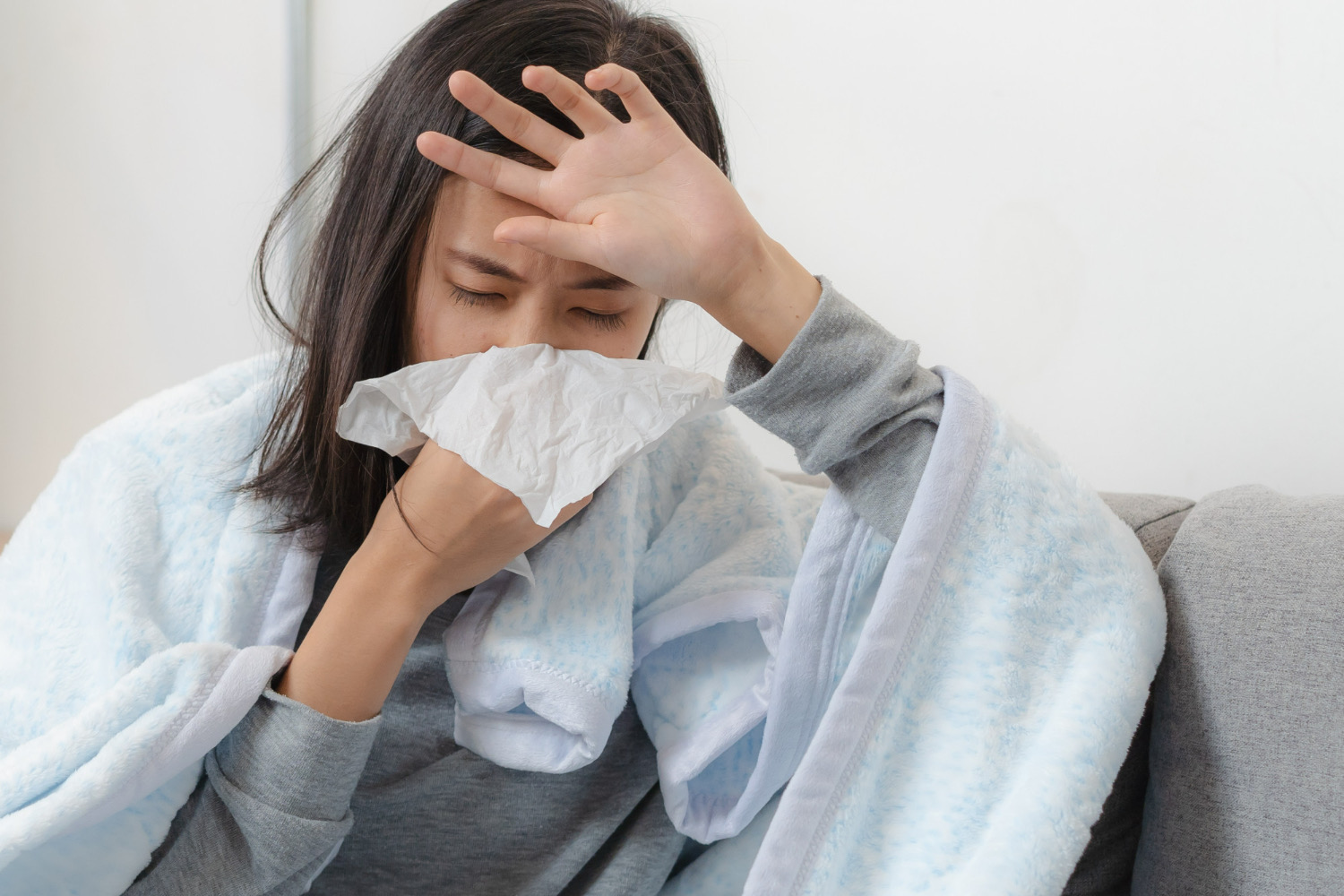
Flu symptoms usually come on suddenly and tend to be more severe than a regular cold. Here are some common signs:
High fever: Typically ranges between 38–40°C (100.4–104°F) and can last for several days.
Extreme tiredness and muscle aches: You may feel exhausted and have aches, especially in your back and legs.
Cough and sore throat: A dry or phlegmy cough and
throat pain are frequent symptoms.
Runny or stuffy nose: Nasal congestion or runny nose may occur in some cases.
Nausea or vomiting (especially in children): Some people may feel nauseous or vomit.
Shortness of breath: In more serious cases, you might have
difficulty breathing, which could indicate complications.
How to Prevent the Flu
Flu prevention is key both for protecting yourself and those around you. Here are some tips:
Get a flu shot every year: This is the most effective way to protect against the flu.
Wash your hands regularly: Use soap and water, especially after coughing, sneezing, or touching shared surfaces.
Avoid close contact with sick people: If someone around you is sick, try to keep your distance.
Wear a mask: Especially if you're feeling unwell or in crowded places, masks help prevent the spread of viruses.
Keep your environment clean: Regularly disinfect items like phones, keyboards, and doorknobs.
How to Take Care of Yourself When You Have the Flu
If you come down with the flu, these self-care tips can help speed up your recovery:
Get plenty of rest: Your body needs energy to fight off the virus.
Stay hydrated: Drink lots of water to soothe your throat and prevent
dehydration from fever.
Take fever-reducing medicine: Medications like
paracetamol (acetaminophen) can help relieve fever and body aches. Check with a doctor or pharmacist before taking any medication.
Treat your cough: Over the counter cough syrups or lozenges can help, but avoid suppressing a productive cough that brings up phlegm.
See a doctor if symptoms worsen: If your symptoms don't improve after 2–3 days, or if you experience difficulty breathing, chest pain, or a racing heart, seek medical attention immediately.
Conclusion
Understanding flu symptoms and how to manage them properly helps you recover faster and reduce the risk of complications. Prevention especially through annual flu vaccinations and good hygiene is the best way to protect yourself and others during flu season.
Remember to take flu prevention seriously during high-risk seasons by getting vaccinated and maintaining good health practices for a healthy life free from illness!
 TH
TH EN
EN CN
CN JAP
JAP AR
AR