35 จำนวนผู้เข้าชม |
12/03/2026
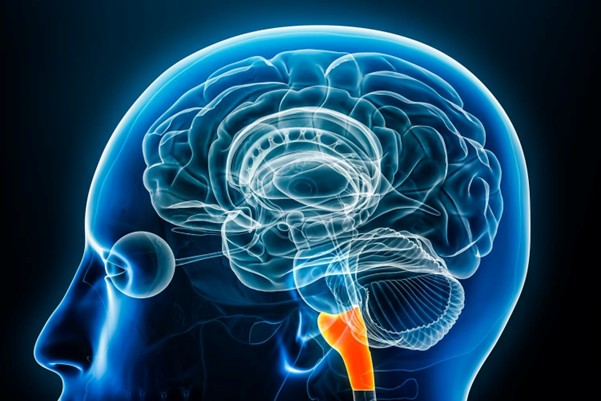
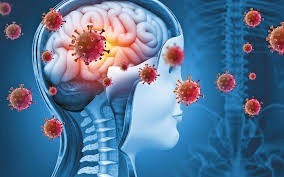
Although many patients recover from COVID-19, its effects on the brain and nervous system may persist for years, particularly in individuals who experienced severe symptoms during infection.
Medical research has found that people who previously had the infection are more likely to experience problems related to:
These symptoms are often referred to as “cognitive complaints,” meaning impairments in brain function following infection.
Brain scans using Magnetic Resonance Imaging (MRI) along with Cognitive Functional Tests have shown that individuals who previously had COVID-19 are more likely to display abnormalities compared with those who were never infected.
Common findings include:
Studies also indicate that people who previously experienced:
have a significantly higher risk of neurological complications compared with individuals who were never infected.
Common long-term effects include:
Experts recommend that people who have recovered from COVID-19—especially those who had severe symptoms—should continue monitoring their neurological health to prevent long-term complications.
Recommended strategies for brain recovery include:
🧠 Brain training such as memory games or reading
🏃♂️ Regular exercise to improve blood circulation to the brain
😴 Adequate sleep to support brain recovery
🧘 Stress management such as meditation or yoga
🔬 Medical follow-ups, including brain scans (MRI) when recommended by a doctor
Although COVID-19 infection may resolve, its effects on the brain may persist in some individuals, particularly those who experienced severe illness. Recognizing symptoms such as memory decline, difficulty concentrating, or slower thinking is important so that appropriate monitoring and long-term brain rehabilitation can be provided.
Prepared by: ภญ. ปุณยนุช อังคะนาวิน
Translated by: พิชชาภา พึ่งรุ่ง
© 2026 Siammerx Co., Ltd
 TH
TH EN
EN CN
CN JAP
JAP AR
AR