172 จำนวนผู้เข้าชม |
29/07/2025
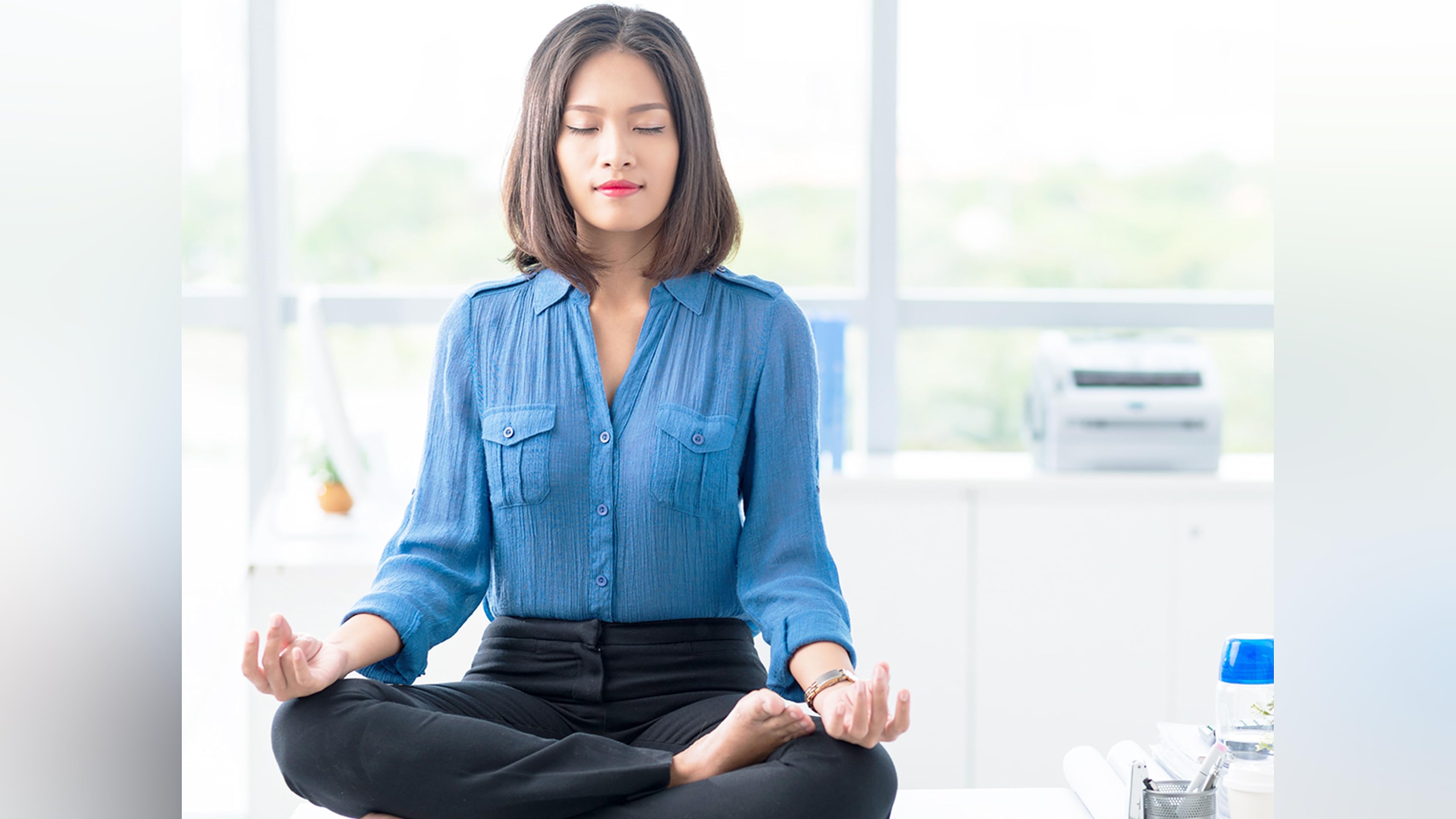
A Simple but Effective Way to Enhance Focus and Mental Health
Meditation is the practice of training the mind to achieve calmness and focus in perceiving one's surroundings and inner thoughts. It improves emotional regulation, reduces stress, and fosters emotional stability, offering benefits for both mental and physical health. There are many forms of meditation, including sitting meditation, deep breathing, and posture-based practices such as yoga.
Meditation provides a wide range of physical and mental benefits, helping to strengthen daily life resilience and reduce stress from work and daily activities. Examples include:
Meditation calms the mind and lowers stress levels, which are major contributors to illnesses such as heart disease, diabetes, and mental health disorders. Having focus helps you relax and recover from emotional strain more effectively.
Regular meditation enhances your ability to concentrate, which supports work and academic performance and also improves memory retention.
Meditation deepens your connection with yourself, helping you better understand your emotions, thoughts, and mental patterns. It encourages self-awareness and emotional management.
Meditation relaxes both the mind and body, contributing to better sleep. Regular practice helps you feel more refreshed and well-rested.
Meditation enhances mindful listening and responses, improving communication and helping to resolve conflicts in relationships more effectively.
There are various ways to meditate, but most practices follow these basic steps:
Choose a peaceful spot without distractions such as a quiet living room or a calm garden to improve meditation effectiveness.
Sit in a comfortable and relaxed position. You don't have to sit cross-legged—sitting upright in a comfortable chair is fine too.
Pay attention to your breathing. Begin with slow, deep breaths to help relax and gain control over your breathing. Inhale through the nose, exhale through the mouth, deeply and slowly. If your mind wanders, gently bring it back by focusing on your breath.
Start with short, but consistent sessions—about 5–10 minutes daily—and gradually increase the duration as you feel more comfortable.
You don't need long hours to practice meditation. Here are a few simple ways to integrate it into daily life:
When you are feeling stressed or tired, pause and take deep breaths to give your mind and body a break before continuing.
Walking meditation is a way to stay mindful while walking by focusing on bodily movements and breathing. It can be done almost anywhere, anytime.
Evening meditation helps you relax and sleep more deeply. Prepare yourself for a restful night, sit comfortably and breathe deeply.
Meditation is a powerful tool that calms the mind and improves focus in everyday activities. It reduces stress, enhances concentration, and supports better mental health. Meditation can be easily incorporated into daily life without needing much time. With regular practice and dedication, the benefits compound.
If you've never meditated before, start today. Just a few minutes a day can significantly improve your mental clarity and well-being.
© 2026 Siammerx Co., Ltd
 TH
TH EN
EN CN
CN JAP
JAP AR
AR